Free Alberta Affidavit of Identity Template
Alberta Affidavit of Identity is a simple legal document used to prove who you are when your regular ID is missing, incorrect, or not accepted.
In Alberta, many people face situations where their identity cannot be verified using standard ID. This affidavit helps solve that problem by giving a sworn, legally accepted statement confirming your identity. It is commonly used in banking, legal filings, and document correction cases.
An Affidavit of Identity is a written statement where you confirm your identity under oath. This means you are legally declaring that the information you provide is true. Under Alberta law, this carries legal weight and can be relied upon by institutions.
People in Alberta usually need this document when they lose their ID, have mismatched names on documents, or need extra verification for official processes. It acts as a backup proof when regular identification is not enough.
I’ve seen many Alberta clients get delayed by banks, registry offices, or lawyers because small name differences or missing ID documents raised identity concerns. When this affidavit is prepared incorrectly or missing important details, people often have to restart the process and swear a new document, which adds more stress and delay.
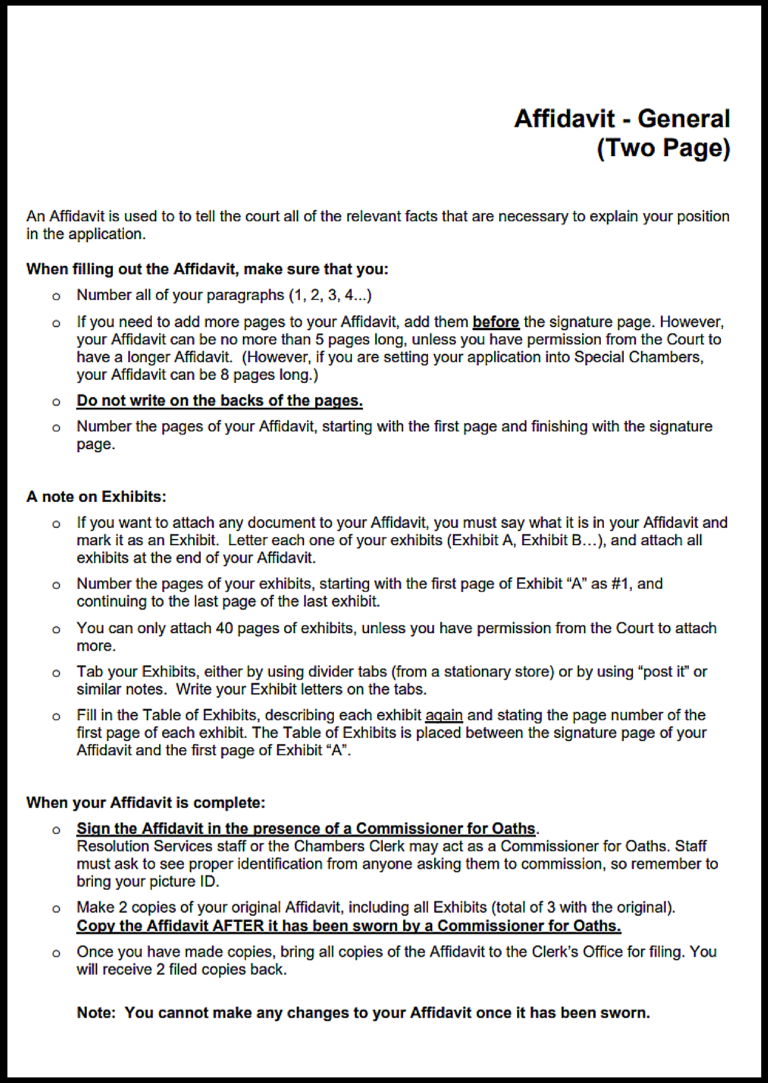
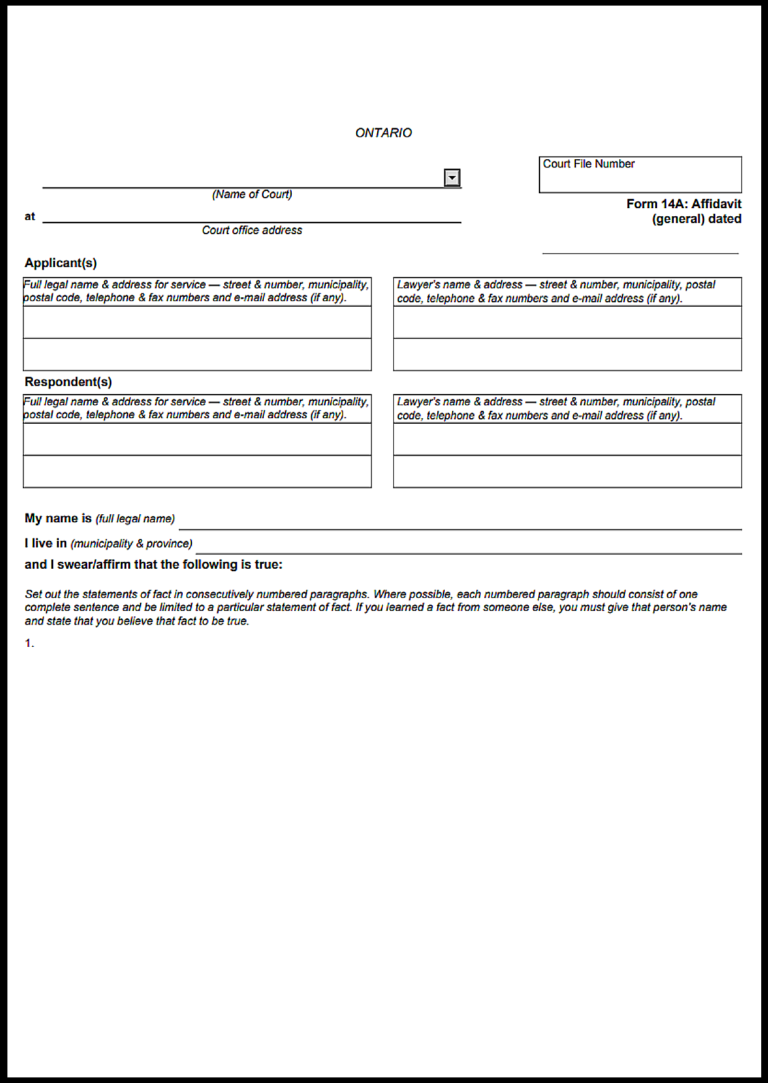
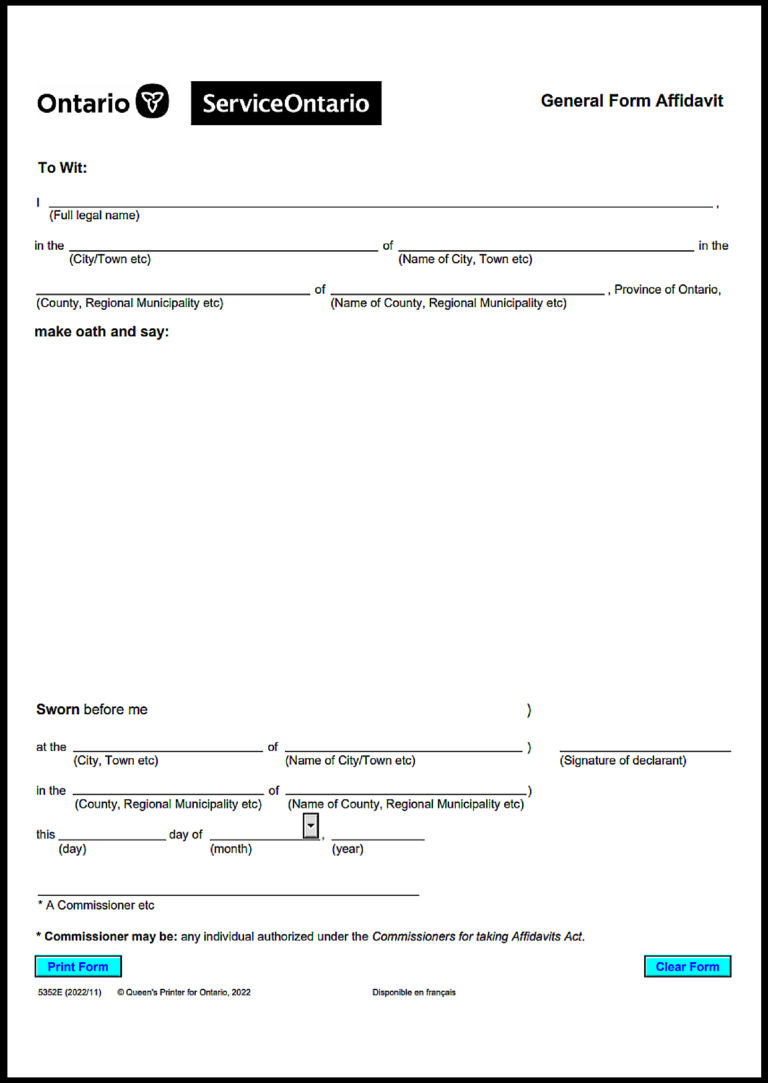
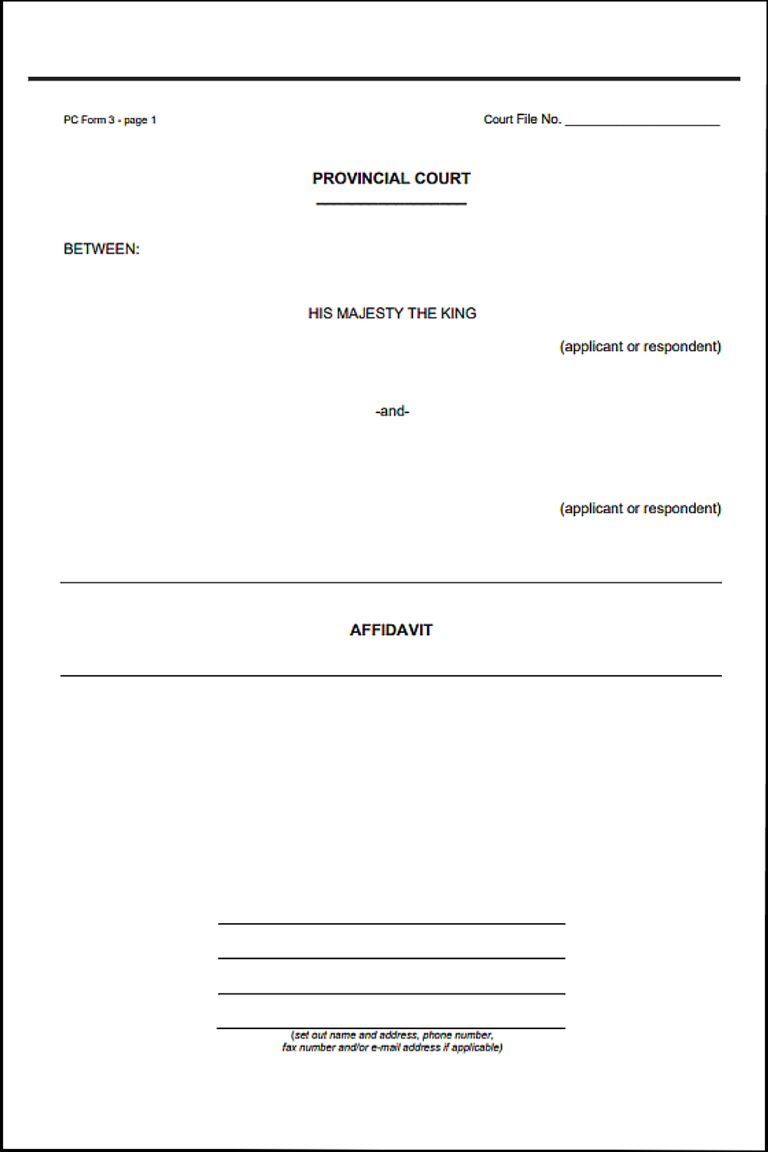
Free Alberta Affidavit of Identity Template
You can use the template below for most situations in Alberta. Make sure all details are correct before signing.
What Is an Affidavit of Identity in Alberta?
An Affidavit of Identity is a legal document where you confirm your identity through a sworn statement. Under Alberta law, this statement is treated as evidence.
Unlike a general affidavit, this document is only focused on identity-related facts such as your name, date of birth, and address. It is mainly used when identity needs to be verified or clarified.
In real situations, it becomes important when:
- Records show different names
- You cannot produce valid ID
- Authorities require extra proof
If you need a broader declaration instead of an affidavit, you can also check an Alberta statutory declaration format used outside court settings.
An identity affidavit is commonly used when verifying personal details for legal or administrative purposes. To understand how this document fits within broader legal declarations, refer to the Alberta affidavit template guide, which explains different sworn statement formats and their uses.
When Do You Need an Affidavit of Identity?
This affidavit is commonly used in practical situations across Alberta. It helps resolve identity issues that can delay important work.
Some common use cases include:
- Lost or stolen ID documents
- Name mismatch between records
- Immigration or court filings
- Banking and financial verification
For example, if your bank account shows a slightly different name than your passport, this affidavit can confirm both belong to you.
However, there are cases where it may not be accepted. Some government departments may still require original photo ID. So always confirm requirements before using it.
Identity Verification Rules in Alberta
Under Alberta law, identity must be proven clearly and honestly. An affidavit is a sworn statement, so giving false information can lead to legal penalties.
A Commissioner for Oaths must witness your signature. This ensures the affidavit is properly verified and legally valid.
Supporting documents also play an important role. They strengthen your statement and make it more acceptable to institutions.
Accepted Supporting Documents
You can attach documents like:
- Utility bills
- Birth certificate
- Passport copy
- Driver’s license (even if expired)
These documents help confirm your identity along with your affidavit.
What If You Have No ID at All?
If you do not have any ID, you still have options. In some cases, you can use:
- Witness statements from someone who knows you
- Old or partial documents
- Secondary proof like school or employment records
Still, acceptance depends on the institution.
This type of document is often used alongside a proof of residence affidavit or a notarized affidavit process to ensure authenticity. In some cases, users also rely on a general sworn declaration format for broader statements.
Key Elements of a Valid Affidavit of Identity
A valid affidavit must include certain important details. Missing any of these can make the document invalid.
Personal Information
You must clearly provide:
- Full legal name
- Date of birth
- Current address
Identity Statement
This is the core part where you confirm that you are the person mentioned in the document.
Reason for Affidavit
You should explain why the affidavit is needed. For example, lost ID or name mismatch.
Supporting Evidence
Mention any documents you are attaching to support your claim.
Signature and Oath
The affidavit must be signed in front of an authorized official. Without this, it has no legal value.
How to Fill Out the Affidavit (Step-by-Step)
Filling the affidavit correctly is very important. Even small mistakes can cause rejection.
Step 1: Enter Personal Details
Write your full legal name exactly as it appears on official records. Double-check spelling and date of birth.
Step 2: Explain Identity Issue
Clearly describe why you need the affidavit. Keep it simple and truthful.
Step 3: Attach Supporting Documents
Add copies of any documents that support your identity. This increases acceptance.
Step 4: Sign Before Commissioner
Do not sign the document before meeting the Commissioner. They must witness your signature.
Who Can Commission an Affidavit in Alberta?
In Alberta, only authorized officials can witness an affidavit.
These include:
- Commissioner for Oaths
- Notary Public
You can usually find them at:
- Law offices
- Registry agent offices
- Some government service centers
A Commissioner for Oaths must verify your identity before signing.
Legal Rules and Validity in Alberta
Affidavits in Alberta are governed by provincial rules for sworn statements. These rules ensure that the document is reliable and truthful.
To be valid:
- It must be signed in front of an authorized official
- All information must be true
- The document must be complete
Providing false information in an affidavit can lead to serious legal consequences, including penalties.
Common Mistakes That Make Affidavits Invalid
Many affidavits get rejected due to simple errors. Avoid these common mistakes:
- Signing without a Commissioner
- Providing incorrect or mismatched details
- Not attaching supporting documents
- Using unclear or vague statements
Always review your affidavit carefully before signing.
Real-Life Example (Alberta Scenario)
Consider a person whose passport shows the name “Raj Kumar,” but their bank account shows “R. Kumar.”
This difference can create problems in financial verification. By using an Affidavit of Identity, the person can declare that both names refer to the same individual.
This simple step helps:
- Resolve confusion
- Avoid delays
- Complete verification smoothly
Affidavit of Identity vs Statutory Declaration
Both documents look similar but are used in different situations.
| Feature | Affidavit of Identity |
Statutory Declaration
|
| Purpose | Prove identity |
Declare general facts
|
| Legal Use | Often court |
Mostly used outside court
|
| Oath Required | Yes (sworn under oath) |
Yes (solemn declaration)
|
| Common Use | Identity issues |
General statements
|
In Alberta, institutions may ask for either document depending on the situation. Always check what is required.
Key Rules at a Glance
| Requirement | Details |
| Signature |
Must be done before Commissioner or Notary
|
| Truthfulness |
All statements must be accurate
|
| Supporting Documents |
Strongly recommended
|
| Legal Status |
Considered sworn evidence
|
FAQs About Alberta Affidavit of Identity
Is an affidavit of identity legally binding in Alberta?
Yes. Under Alberta law, it is a sworn statement and is legally binding. False statements can lead to penalties.
Can I write my own affidavit of identity?
Yes. You can draft your own affidavit using a proper format, like the template provided above.
Do I need a lawyer to create one?
No, a lawyer is not required. However, you must have it signed by a Commissioner for Oaths or Notary Public.
How much does it cost to commission in Alberta?
Costs can vary, but many Commissioners charge a small fee. Some registry offices may offer low-cost services.
Can it be used for banking or government services?
Yes, in many cases. However, some institutions may still require official ID, so always confirm beforehand.