Affidavit vs Statutory Declaration Alberta Template
Affidavit VS Statutory Declaration Alberta is a topic many people find confusing when dealing with legal or government documents. Both look similar, but they are used in different situations. If you use the wrong one, your document may be rejected or delayed.
In simple words, both are written statements of facts. But an affidavit is sworn under oath, while a statutory declaration is only declared to be true. This small difference is very important in law.
In this article, you will learn the difference, when to use each, and how to prepare them correctly in Alberta.
Last Updated: August 2026
Free Affidavit vs Statutory Declaration Template
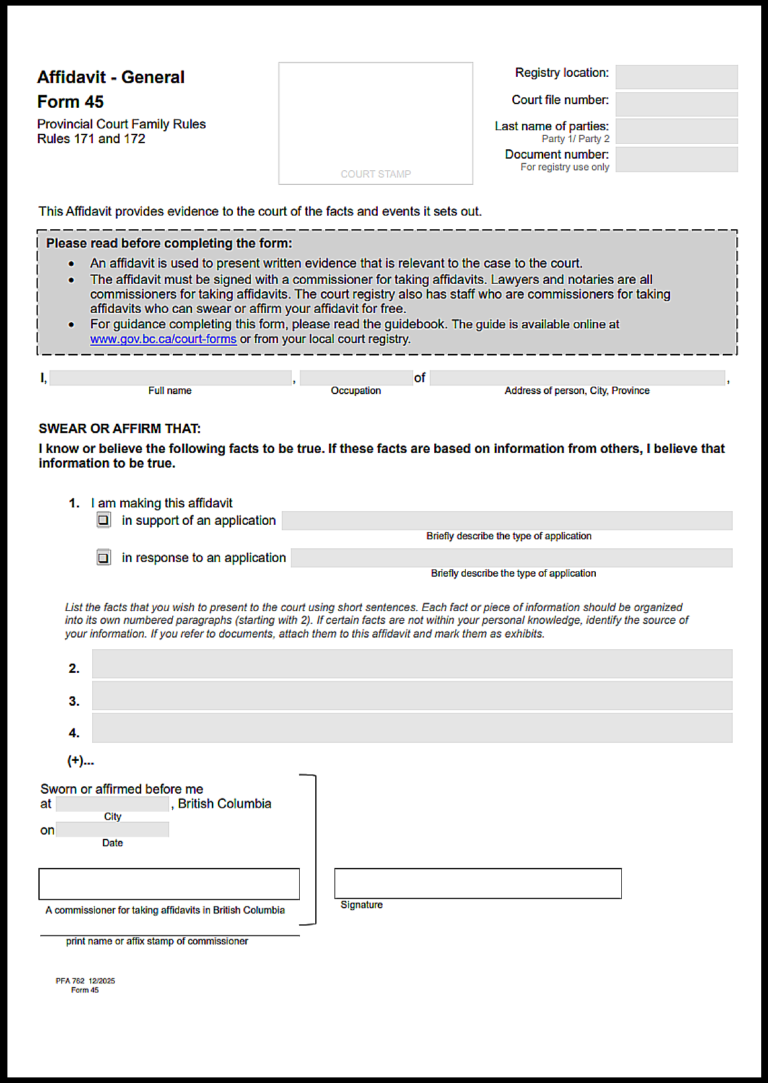
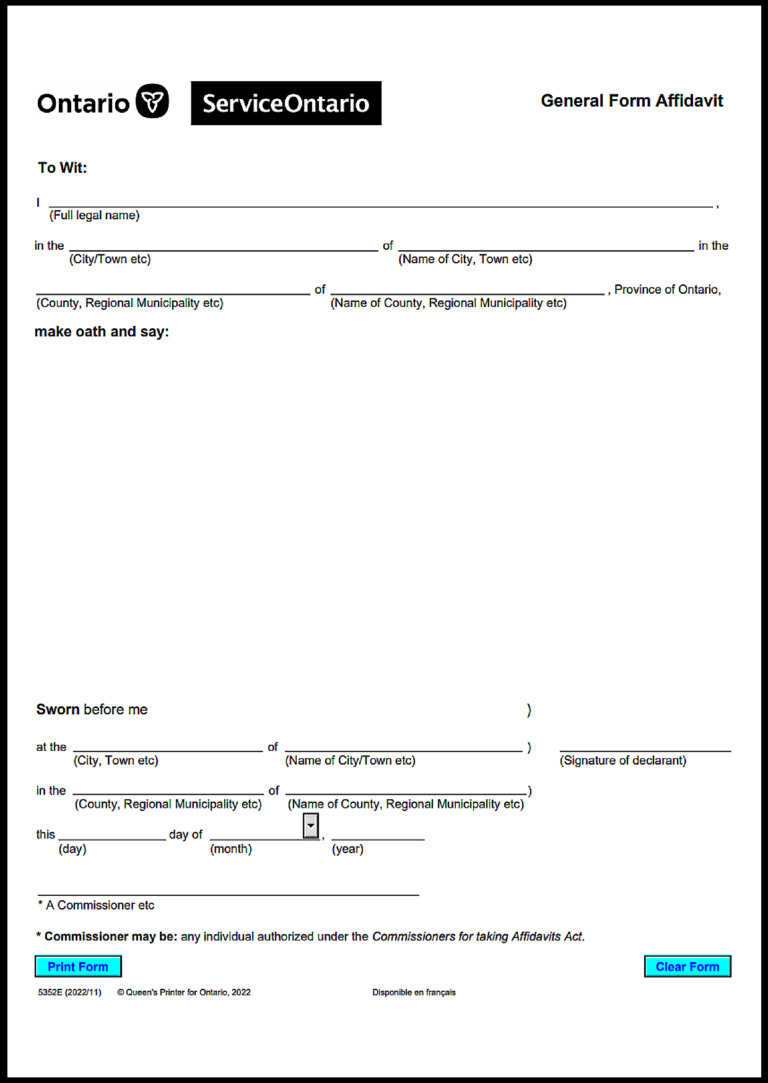
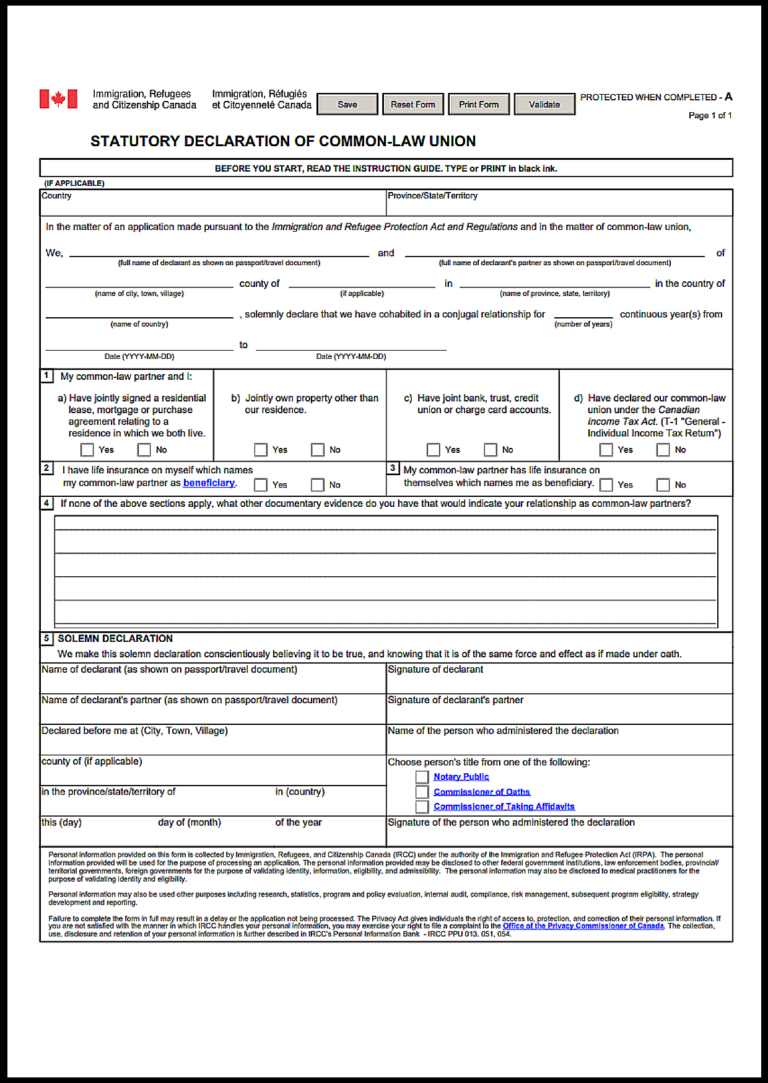
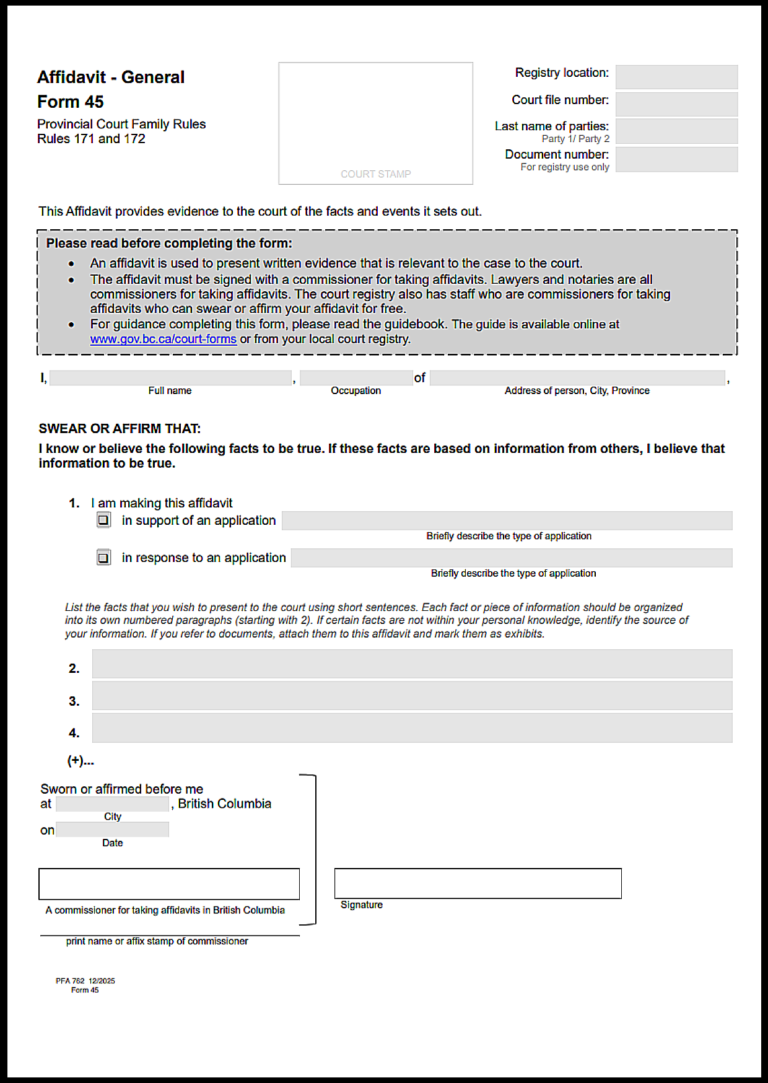
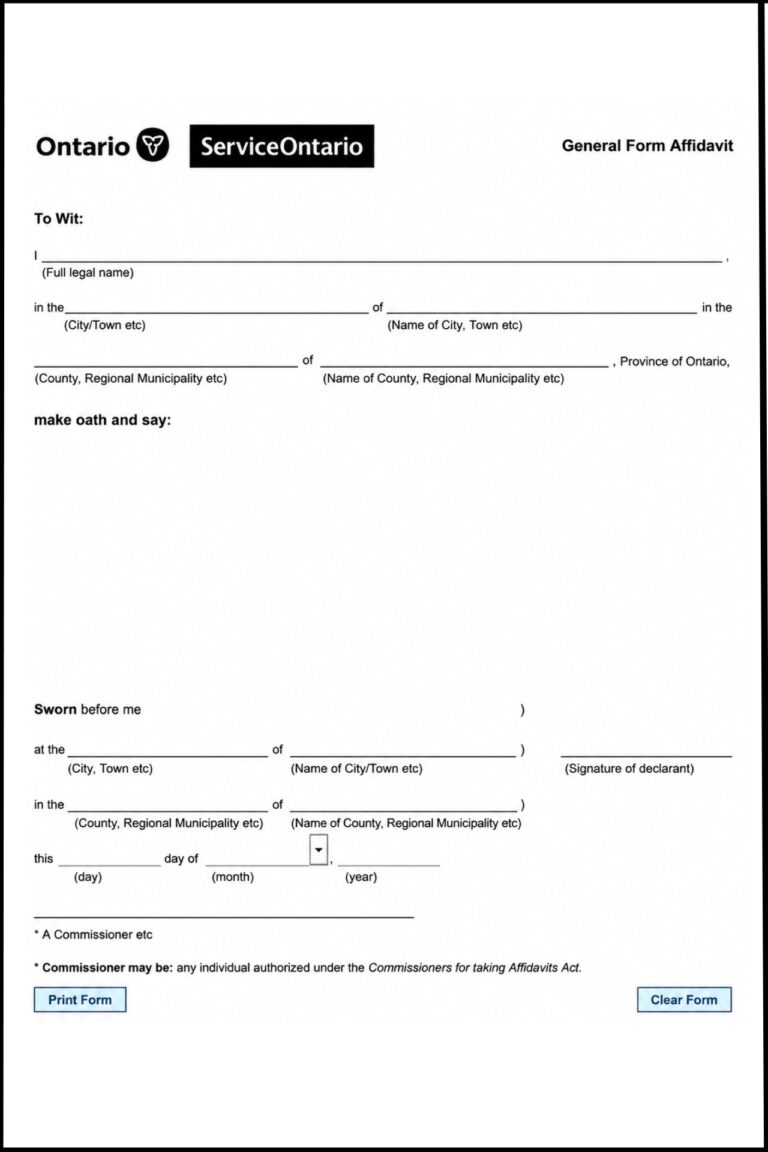
Below are simple templates you can copy and use. These follow common Alberta format.
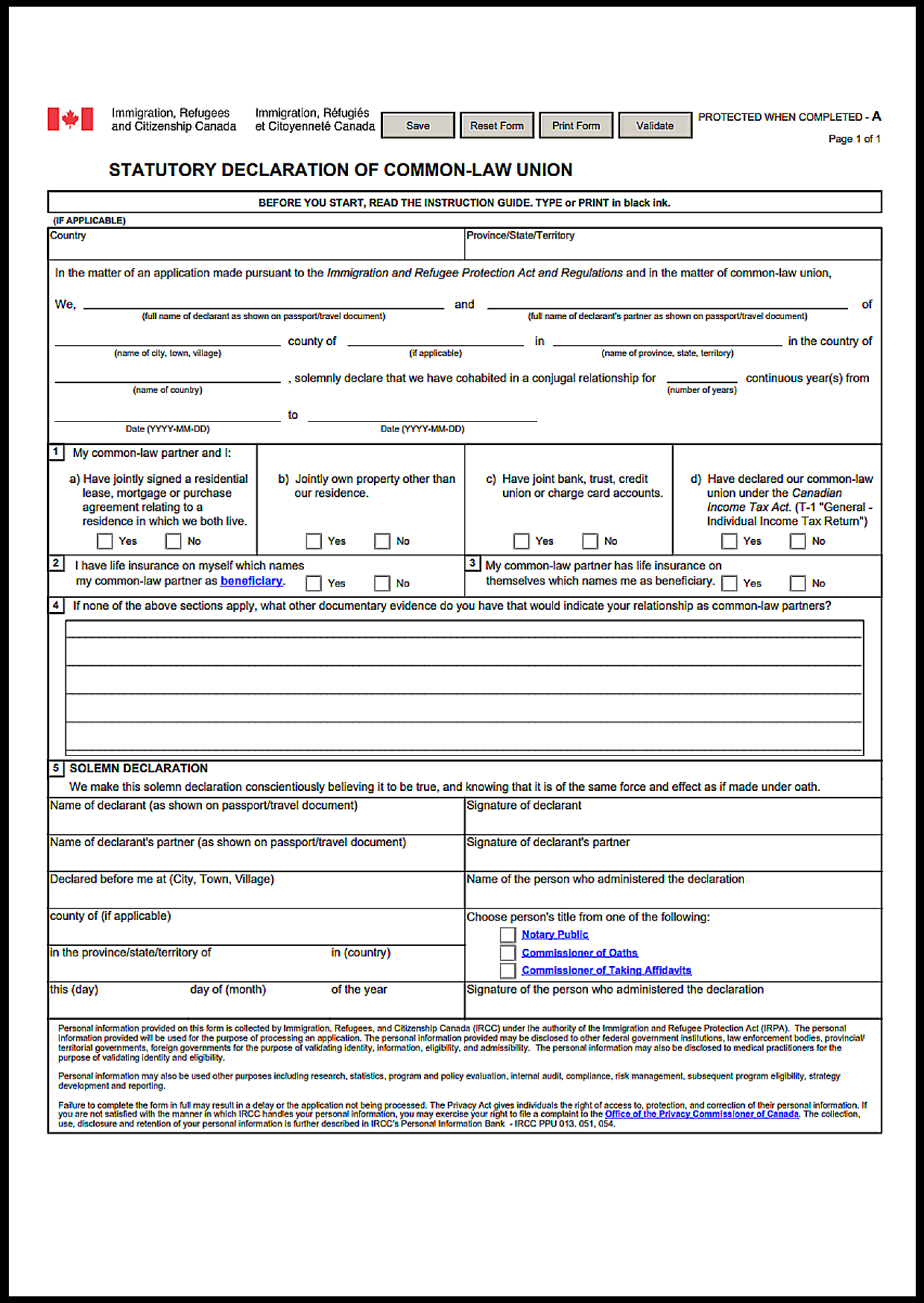
Affidavit vs Statutory Declaration
Under Alberta law, both documents are legally valid, but the main difference is how the statement is made. An affidavit is sworn or affirmed under oath, which is standard for court cases. A statutory declaration is a solemn statement of truth used outside of court, but it carries the exact same legal duty to tell the truth.
Both documents must be signed before a Commissioner for Oaths or a Notary Public. Without proper witnessing, they are not valid.
Quick Comparison Table
| Feature | Affidavit |
Statutory Declaration
|
| Oath required | Yes | No |
| Used in court | Common | Rare |
| Legal strength | Strong evidence | Limited use |
| Wording used | Sworn | Declared |
| Common purpose | Legal disputes |
Government forms
|
This table makes it clear that affidavits are mostly used in court, while statutory declarations are used in office or administrative work.
Many people confuse affidavits with statutory declarations, but they serve different legal purposes. To better understand these distinctions, refer to the Alberta affidavit template guide, which explains how sworn documents are used under provincial law.
When to Use an Affidavit in Alberta
In most affidavit situations, the document is used where legal proof is required. Courts rely on affidavits as evidence, so accuracy is very important.
You should use an affidavit in situations like:
- Court cases (family law, civil disputes)
- Giving written evidence
- Legal conflicts between people
Real-Life Examples
For example, in a divorce case, a person may file an affidavit explaining their financial situation. In a property dispute, an affidavit can explain ownership facts. Sometimes witnesses also give their statements through affidavits.
These examples show that affidavits are mainly used in serious legal matters.
When to Use a Statutory Declaration in Alberta
A statutory declaration is used when there is no court case but you still need to confirm facts officially. It is common in government and administrative processes.
You can use it for things like:
- Declaring lost documents
- Confirming your name or identity
- Providing address or residency proof
- Supporting immigration or application forms
Common Uses
For example, if you lose your ID, you may be asked to submit a statutory declaration. It is also used when you need to confirm personal details without going to court.
This makes statutory declarations simpler and more flexible than affidavits.
When choosing the correct document, you might compare formats like a sworn affidavit template or a personal identity declaration. You can also follow this affidavit creation process to understand practical usage.
Legal Validity in Alberta (Important Rules)
Under Alberta law, both documents are legally binding if completed correctly. However, they must follow strict rules.
A Commissioner for Oaths must:
- Check your identity
- Watch you sign the document
- Sign and stamp it
Alberta Legal Requirements
- You can complete your document in person or remotely through a secure video conferencing session with an authorized official.
- You must show valid ID
- All statements must be true
If you provide false information, there can be serious consequences. A false affidavit may lead to perjury charges, while a wrong statutory declaration can lead to penalties or rejection.
Key Components of Each Document
Both documents must include certain details to be valid.
Affidavit Must Include
An affidavit must include oath or affirmation wording (such as “swear” or “solemnly affirm”), your typed statement of facts, your signature, and the official’s jurat and details.
Statutory Declaration Must Include
A statutory declaration should include your details, a clear statement of truth, and proper declaration wording like “declare.” It must also be signed in front of an authorized official.
Missing any of these details can make your document invalid.
How to Choose the Right Document?
Choosing between the two depends on your situation. If your document is for court, you should use an affidavit. If it is for a government office or application, a statutory declaration is usually enough.
Quick Decision Rule
- Legal dispute = affidavit
- Administrative proof = statutory declaration
If you are not sure, always ask the authority requesting the document. This can save time and avoid rejection.
Step-by-Step: How to Fill and Sign Correctly
Filling these documents is simple if you follow the correct steps.
Step 1: Write Clear Facts
Write only true and relevant facts. Avoid opinions or unnecessary details. Keep sentences simple and clear.
Step 2: Use Correct Format
Choose the correct template and use proper wording. Do not mix affidavit and declaration language.
Step 3: Connect with a Commissioner or Notary
Do not pre-sign the document. Bring valid government-issued photo ID to an in-person appointment or log into a verified video commissioning session
Step 4: Sign in Front of Official
The official will verify your identity and watch you sign. After that, they will sign and stamp the document.
Common Mistakes That Make Documents Invalid
Many people make small mistakes that cause rejection. These include signing before meeting the commissioner, using the wrong document type, or missing required wording.
Other common errors:
- Writing unclear or false information
- Forgetting supporting documents
- Using incomplete format
Avoiding these mistakes will save time and stress.
Legal Risks You Should Know
These documents have legal importance, so you must be careful. Making a false statement in either document is a federal criminal offence under the Criminal Code of Canada—resulting in perjury charges for sworn court affidavits (section 131) or criminal prosecution for false statutory declarations (section 134)
Misusing these documents can also delay your court case or application. Always double-check your facts before signing.
Affidavit vs Statutory Declaration: Real-Life Scenario
Understanding real situations can make things clearer. If you are involved in a court case, you will need an affidavit because the court requires sworn evidence.
On the other hand, if you lose your passport or ID, a statutory declaration is usually accepted by authorities. This shows the practical difference between the two.