How to get Affidavit Alberta? Step-by-Step Guide
How to get Affidavit Alberta is a common question when you need a legal document for court, immigration, or personal use. This guide will help you understand the full process in a simple way, so you don’t make mistakes.
An affidavit is used by many people like students, business owners, and people involved in legal matters. Under Alberta law, it is very important to follow the correct process because an affidavit becomes legal evidence. If you make errors, it may be rejected.
I’ve also seen people in Alberta assume any signed statement counts as an affidavit, only to have their court or immigration filing delayed because it was never properly sworn before a commissioner or notary. When you’re already dealing with legal stress, even one missing detail on an affidavit can create costly delays and force you to start the process again.
In this article, you will learn the steps, rules, and a free template to make your work easier.
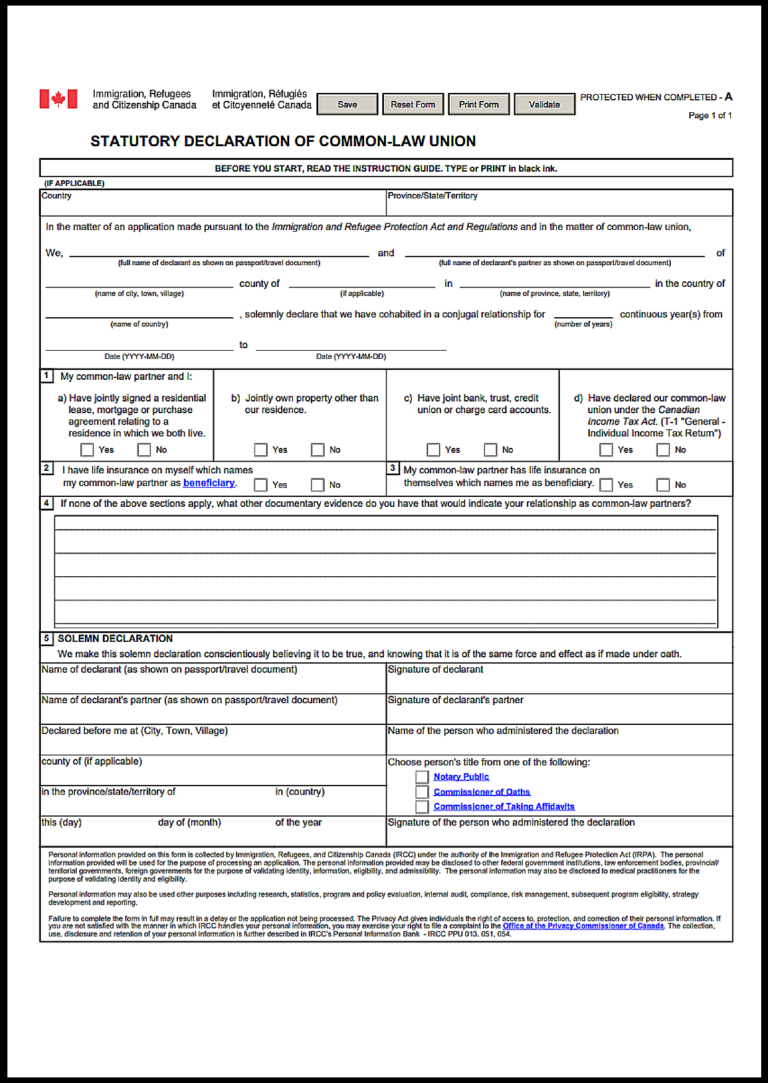
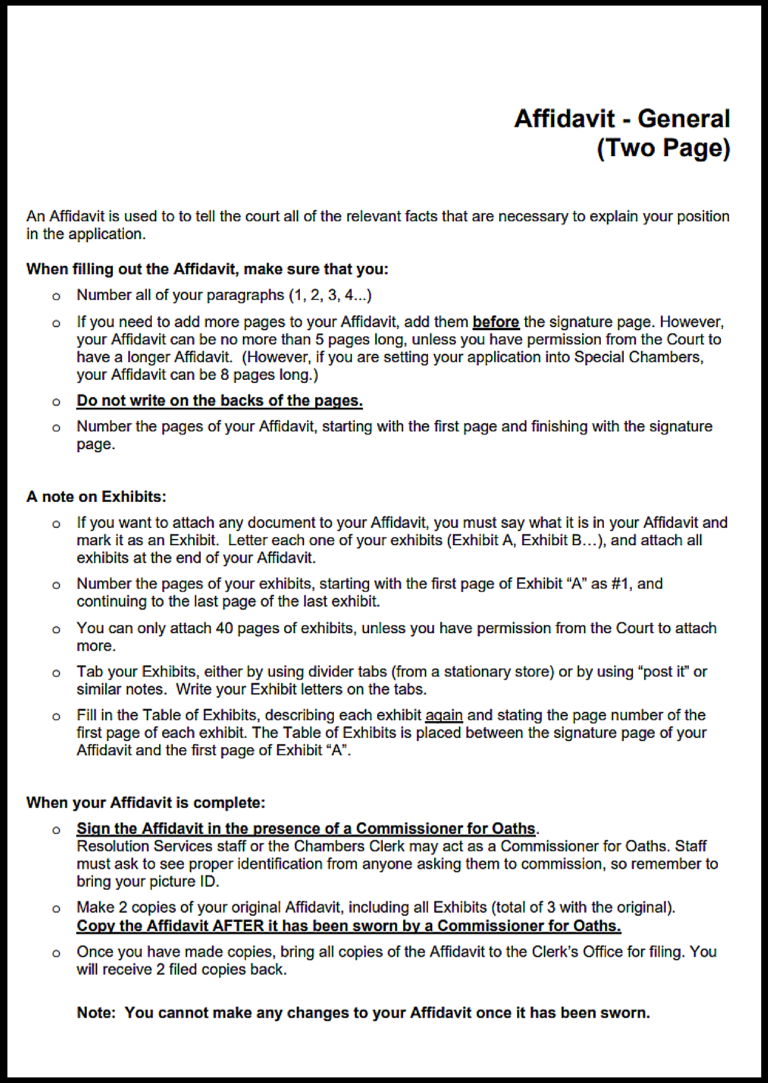
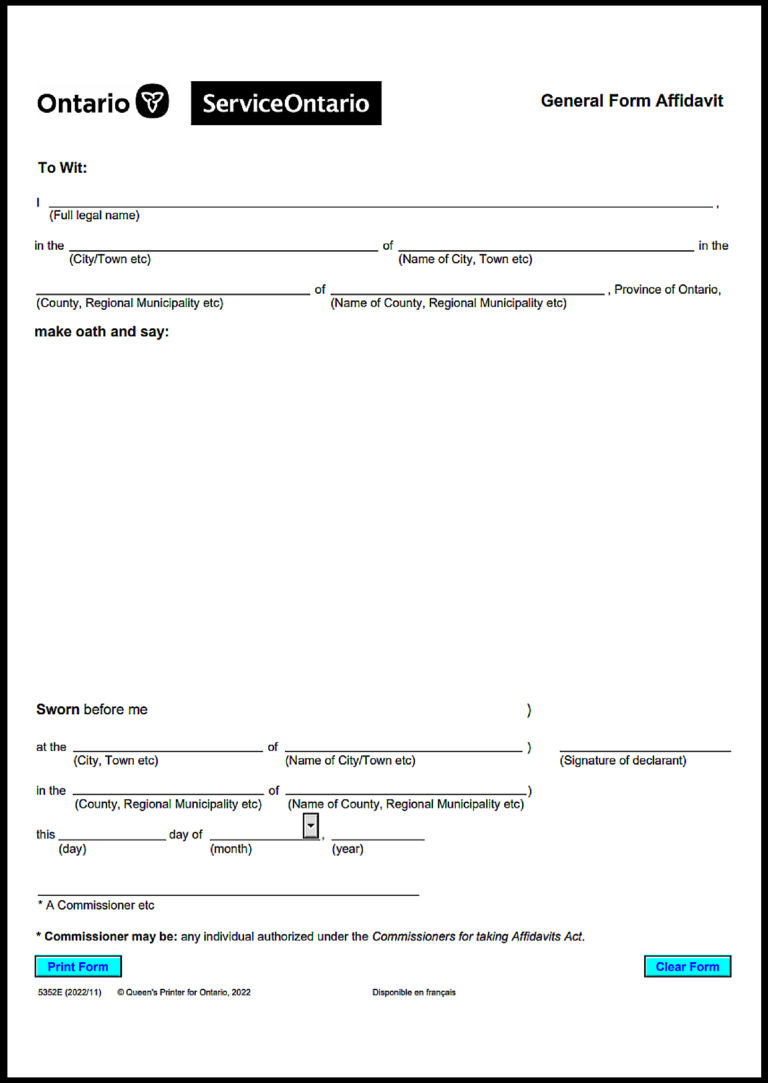
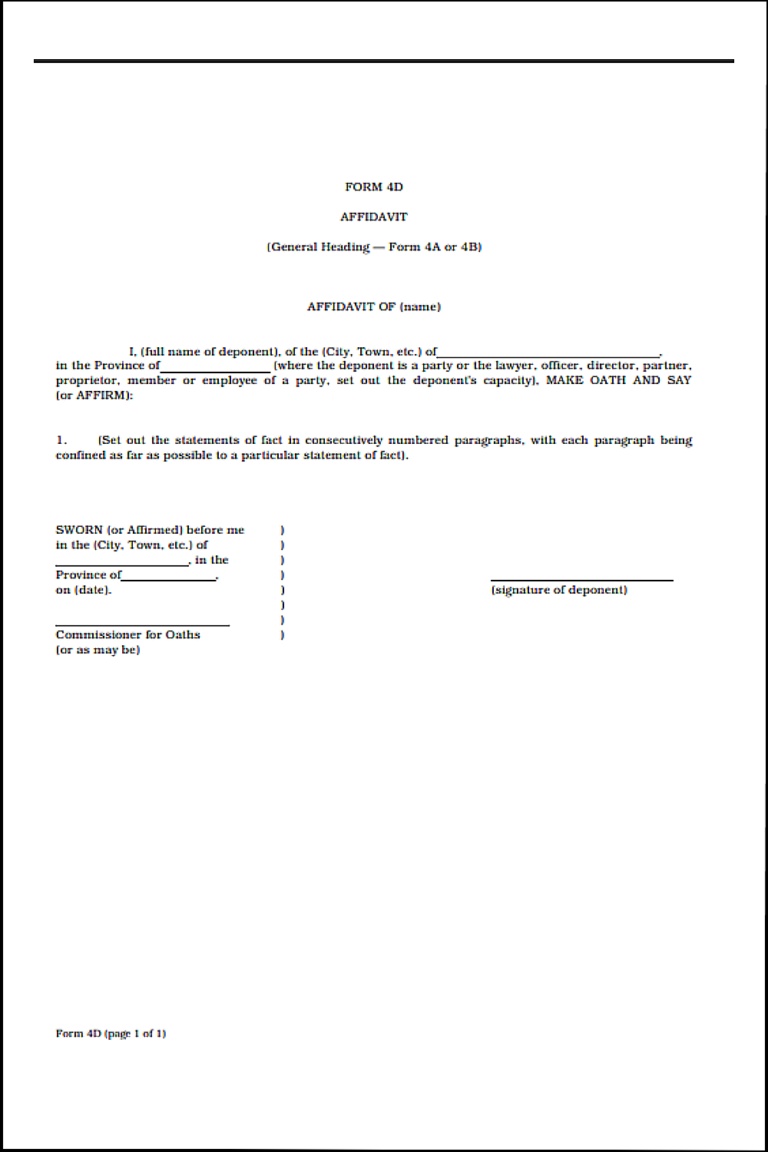
Free Affidavit Template (Alberta)
You can use this ready-to-use template. It follows Alberta requirements and works in Word or PDF format.
Alberta Affidavit Process Rules That People Commonly Miss
| Topic / Issue | Alberta Legal Rule | Governing Statute |
|---|---|---|
| Governing provincial law | Affidavits in Alberta are governed by provincial commissioning laws and court procedure rules. | Notaries and Commissioners Act, SA 2013, c N-5.5; Alberta Rules of Court, Alta Reg 124/2010 |
| Federal application | Federal evidence rules apply if the affidavit is used for federal matters like immigration or federal court. | Canada Evidence Act, RSC 1985, c C-5 |
| Who can sign | Any person with knowledge of the facts who understands the oath or affirmation may sign as the deponent. | Alberta Rules of Court, Rule 13.18 |
| Witness requirement | The affidavit must be signed in front of a Commissioner for Oaths or Notary Public. No second witness is required. | Notaries and Commissioners Act, s. 15 |
| Authorized officials | Lawyers, students-at-law, judges, and appointed commissioners may administer affidavits. | Notaries and Commissioners Act, s. 16 |
| Commissioner disqualification | A commissioner cannot witness a matter where they have a direct financial interest or are a party involved. | Commissioners for Oaths Regulation, s. 1 |
| Age and capacity | The deponent must generally be at least 18 or have a litigation representative and understand the oath. | Governed by common law principles |
| Filing deadlines | Court affidavits generally must be filed and served 5–10 days before hearings depending on the court matter. | Alberta Rules of Court, Rule 6.6 |
| Required opening statement | Alberta affidavits must begin with the required “SWEAR/AFFIRM AND SAY THAT” wording. | Alberta Rules of Court, Rule 13.21 |
| Jurat requirement | Every affidavit must contain a Jurat confirming where and when it was sworn. | Alberta Rules of Court, Rule 13.21 |
| Commissioner information | Commissioners must include their name, official Alberta designation, and expiry date if applicable. | Notaries and Commissioners Act, s. 21 |
| Court filing requirement | Court affidavits must be filed with the Alberta Court of Justice or Court of King’s Bench. | Alberta court filing procedures |
| Land Titles filing | Property-related affidavits may need registration with Alberta Land Titles Office. | Alberta Land Titles procedures |
| Private use affidavits | Private affidavits are usually kept by the requesting party and not filed publicly. | Alberta affidavit practice |
| Presence requirement | The deponent must sign during a live physical or approved video meeting with the commissioner. | Notaries and Commissioners Act, s. 15 |
| Missing commissioner details | Missing commissioner wording or designation can cause rejection. | Notaries and Commissioners Act, s. 21 |
| Exhibit identification | Exhibits attached to affidavits must contain a signed exhibit certificate from the commissioner. | Alberta Rules of Court, Rule 13.24 |
| Alberta commissioner title rule | Alberta specifically requires the wording “A Commissioner for Oaths in and for Alberta.” | Alberta statutory commissioning requirements |
| Remote commissioning rules | Alberta permanently allows remote commissioning through regulated video procedures. | Alberta Rules of Court, Rule 13.20 |
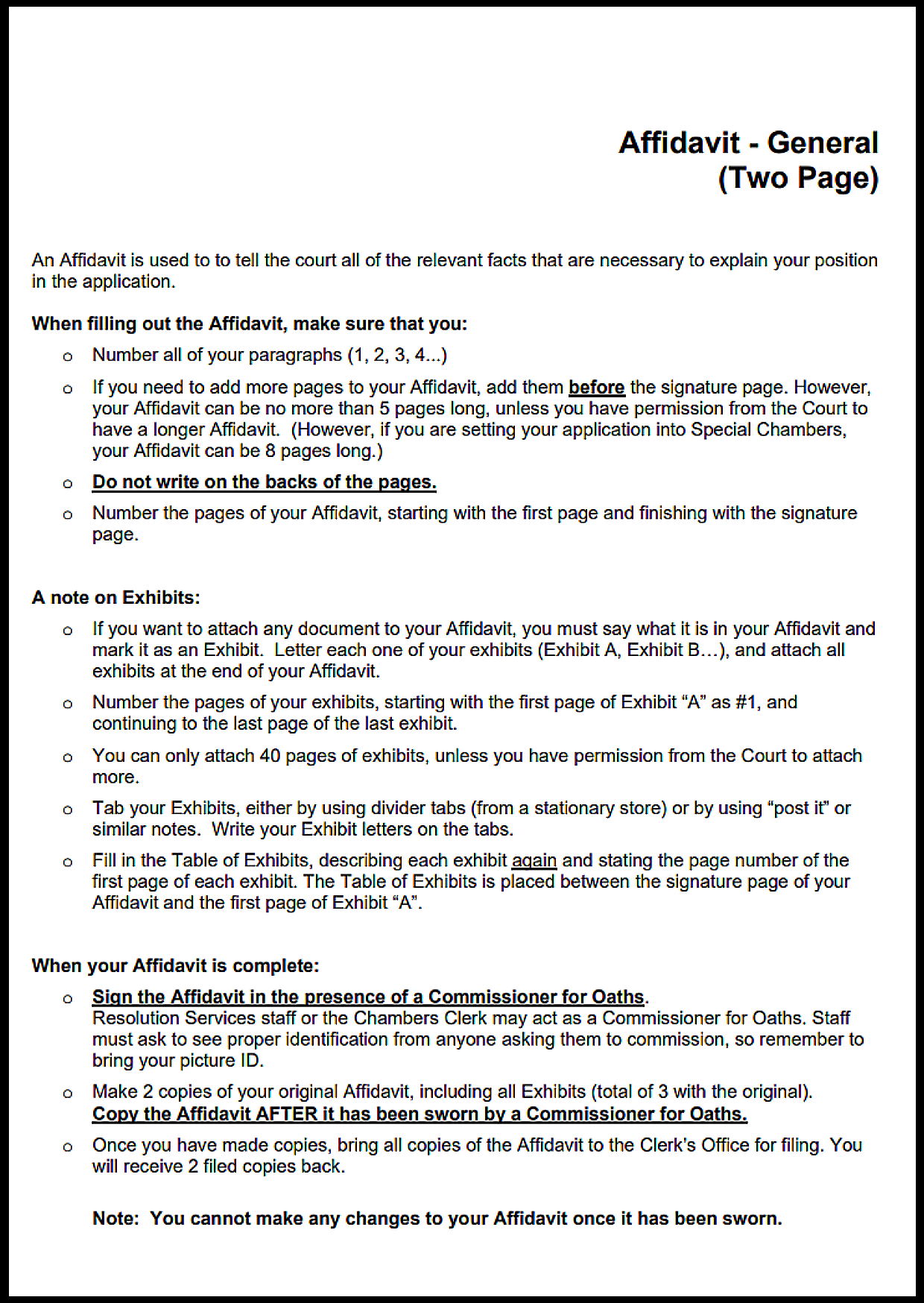
One of the most important Alberta affidavit rules is that you cannot simply sign the document yourself and send it later to a commissioner. The signing must happen during a live in-person or approved video meeting. Many affidavits get rejected because people misunderstand this step.
Another strict Alberta requirement is the commissioner wording. The document must clearly include the phrase “A Commissioner for Oaths in and for Alberta.” Using wording from another province or forgetting the commissioner’s expiry date can cause the affidavit to be rejected by courts or Land Titles.
Exhibits are another area where mistakes happen often. If your affidavit refers to “Exhibit A” or supporting documents, those exhibits must contain a signed certificate from the commissioner. Missing exhibit certificates can weaken or invalidate part of your evidence.
What Is an Affidavit in Alberta?
An affidavit is a written statement of facts that you swear is true. It is not just a normal written statement. Under Alberta law, it becomes legal proof once signed properly.
The main difference is that a regular statement is not sworn, but an affidavit is sworn in front of an authorized person. That is why courts trust affidavits more.
| Feature | Affidavit |
Regular Statement
|
| Sworn | Yes | No |
| Legal value | High | Low |
| Court use | Yes | Rare |
People use affidavits in daily situations like identity proof, financial matters, or court cases. It works as a strong legal document.
If you’re unsure how to create a legally valid sworn statement, this process guide explains everything step by step. It also connects with the complete Alberta affidavit guide, which outlines the structure and purpose of different affidavit types.
When Do You Need an Affidavit in Alberta?
You may need an affidavit in many real-life situations. It is commonly used when written proof is required but documents are missing.
Some common uses include:
- Court proceedings
- Business or property matters
- Immigration applications
- Lost document declaration
In most affidavit situations, it acts as legal proof of facts. If you are not going to court, you can also consider a Statutory Declaration Alberta, which is slightly less formal.
Step-by-Step: How to Get an Affidavit in Alberta
Step 1 – Write Your Statement
Start by writing your statement clearly. Use simple language and only include facts. Avoid opinions or emotional words.
For example, write clear details like date, place, and event. This helps make your affidavit strong and easy to understand.
Step 2 – Prepare Supporting Documents
You should collect important documents before visiting a commissioner. This helps verify your identity and statement.
Common documents include:
- Government ID
- Proof related to your claim
- Any supporting evidence
This step makes your affidavit more reliable.
Step 3 – Visit a Commissioner for Oaths or Notary
Under Alberta law, a Commissioner for Oaths must witness your affidavit. You cannot complete it alone.
You can find them at places like law offices, registry agents, banks, or courthouses. Some services are free, while others charge a small fee.
Step 4 – Swear or Affirm Your Affidavit
At this stage, you will confirm that your statement is true.
You can:
- Take an oath (religious)
- Make an affirmation (non-religious)
Both options are legally valid in Alberta. You are legally responsible for telling the truth.
Step 5 – Sign and Get It Commissioned
You must sign the affidavit in front of the commissioner. This is very important.
The commissioner will:
- Watch you sign
- Add their signature
- Stamp the document
If you sign earlier, your affidavit may become invalid.
Who Can Commission an Affidavit in Alberta?
In Alberta, only certain professionals are allowed to commission an affidavit.
These include:
- Commissioner for Oaths
- Notary Public
- Lawyers
Their role is to verify your identity and ensure the process is done correctly. They also confirm that you understand what you are signing.
During the process, you may need specific documents like an identity affidavit template or a general sworn statement format. In addition, understanding the notarization requirements in Alberta is essential for legal acceptance.
Key Components of a Valid Alberta Affidavit
A proper affidavit must include all important parts. Missing any section can cause problems.
Personal Information
Your full name and address must be clearly written.
Statement of Facts
Write your facts in numbered points. Keep sentences short and clear.
Swearing Clause
This shows whether you are taking an oath or affirmation.
Signature Section
Both you and the commissioner must sign the document.
Legal Rules You Must Follow in Alberta
There are some important rules you must follow to make your affidavit valid.
- The information must be true
- You must sign in front of a commissioner
- You must show valid ID
- The format must be proper
Under Alberta law, giving false information in an affidavit can lead to serious legal consequences.
Common Mistakes to Avoid
Many people make small mistakes that can invalidate their affidavit.
Some common errors include:
- Signing before meeting the commissioner
- Writing opinions instead of facts
- Missing signatures or dates
- Using unclear or confusing language
Always double-check your affidavit before signing.
Affidavit vs Statutory Declaration (Alberta)
| Feature | Affidavit |
Statutory Declaration
|
| Oath required | Yes | No |
| Court use | Yes | No |
| Legal strength | Strong | Moderate |
You should choose an affidavit when dealing with court matters. For general use, a statutory declaration may be enough.
Where to Get an Affidavit in Alberta
You can get an affidavit from different places depending on your need.
Common options include:
- Law offices
- Registry agents
- Courthouses
You can also use online templates and then get them signed by a commissioner.
Costs are usually low, and sometimes the service is free.
Real-Life Example
Let’s understand with a simple example.
A person loses an important ID document and needs proof for official work. Since they don’t have the original, they create an affidavit explaining the situation.
They visit a Commissioner for Oaths, sign the affidavit, and use it as legal proof. This helps them complete their process without delay.
Frequently Asked Questions
Is an affidavit legally binding in Alberta?
Yes, it is legally binding and used as evidence under Alberta law.
Can I write my own affidavit?
Yes, you can write it yourself using a proper format.
Do I need a lawyer for an affidavit?
No, in most cases you only need a commissioner.
How much does an affidavit cost in Alberta?
It usually costs between free and $50.
Can I use an affidavit outside Alberta?
Yes, but it must meet the rules of the place where you use it.