Free Alberta Consulting Agreement Template Guide
Alberta Consulting Agreement is a legal contract used when a business hires a consultant for specific services. It clearly explains the work, payment, and responsibilities so both sides stay protected and avoid confusion.
A consulting agreement is a written contract between a company and a consultant. It simply explains what work will be done, how much will be paid, and the basic rules both parties must follow. In most business situations, having this agreement in writing helps avoid misunderstandings later.
I have seen Alberta businesses run into expensive payment disputes because they relied on verbal consulting arrangements or copied generic contracts that did not clearly define deliverables, timelines, or contractor status. When people are already stressed about hiring someone for the first time, a properly written consulting agreement usually becomes the one document everyone wishes they had reviewed more carefully before problems started.
This article is useful for freelancers, consultants, startups, agencies, and small business owners who want a clear and simple contract. On this page, you will get a free Alberta-focused template, understand different types of consulting agreements, and learn when to use each one. You will also see basic legal rules under Alberta law and links to related contract templates.
Last Updated: August, 2026
Free Alberta Consulting Agreement Template
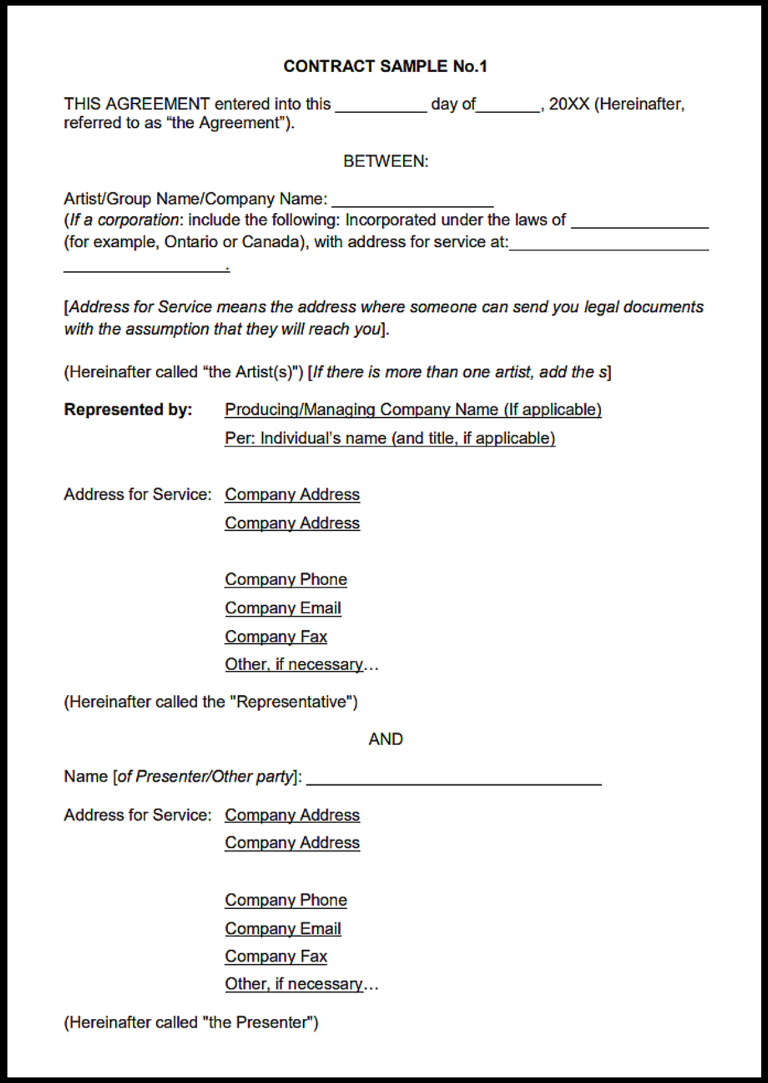
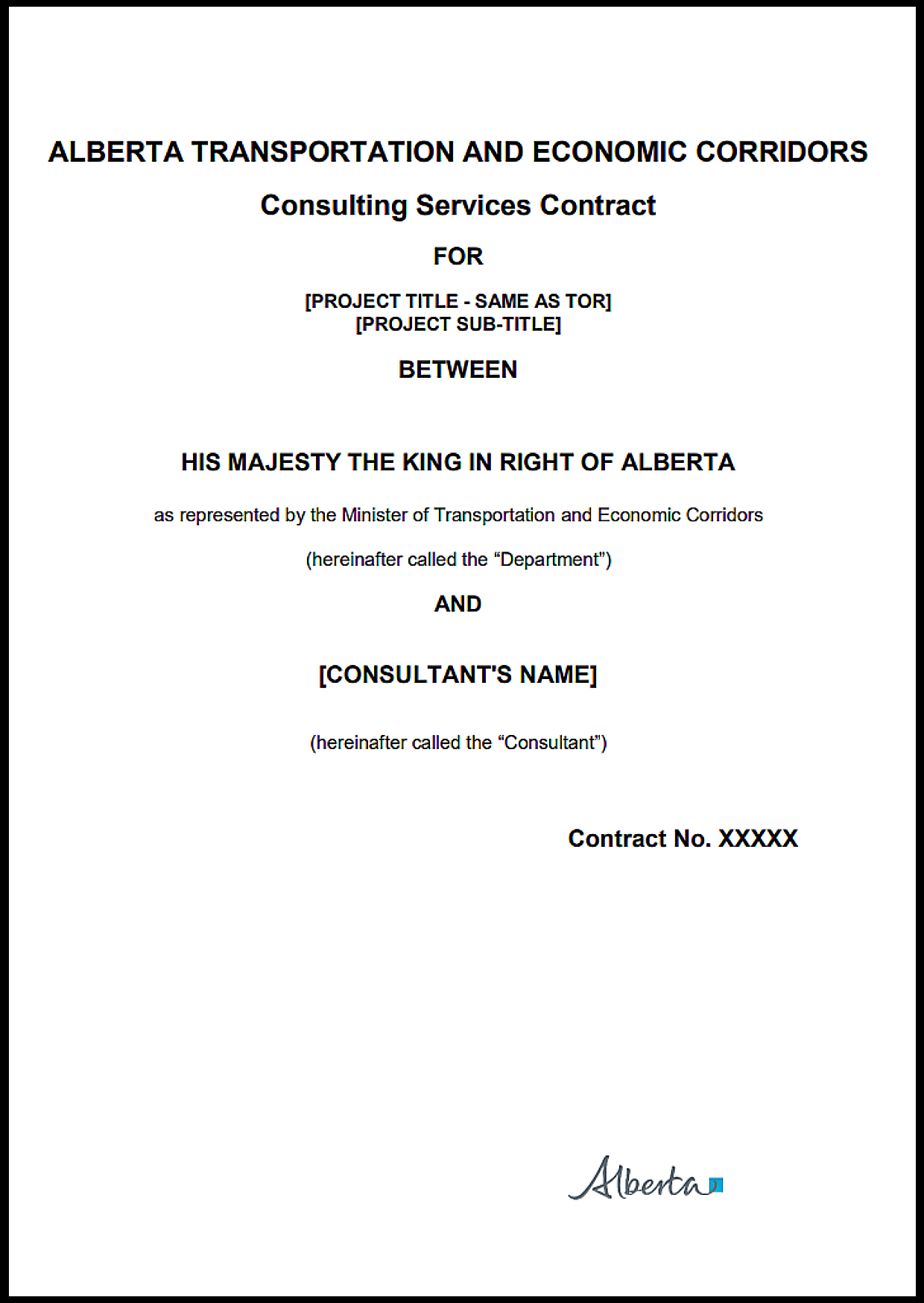
Below is a simple and general consulting agreement template that works for most situations. It follows common Alberta business practices and includes important legal clauses for clarity.
Types of Consulting Agreements in Alberta
Different consulting situations require different types of agreements. Choosing the right one helps avoid legal and business issues.
Independent Consultant Agreement
This is used when hiring a self-employed individual. It clearly shows that the consultant is not an employee and works independently. This is important for tax and legal reasons.
IT / Technology Consulting Agreement
This is used for software development, IT support, or cybersecurity work. These agreements usually include strong clauses for data protection and intellectual property ownership because technical work often creates valuable assets.
Management Consulting Agreement
This is used for business strategy, operations, and advisory roles. In many cases, it includes performance-based deliverables where the consultant is expected to achieve certain results.
Marketing Consulting Agreement
This is suitable for SEO, advertising, branding, and digital marketing services. It normally defines campaign goals, timelines, and performance expectations like KPIs.
Financial Consulting Agreement
Used for accounting, tax advice, or financial planning. These agreements need clear liability clauses because financial advice can directly impact business decisions.
Project-Based Consulting Agreement
This works best for short-term or one-time projects. It focuses more on deadlines, milestones, and final deliverables rather than ongoing work.
Retainer Consulting Agreement
This is used when a consultant works on a monthly basis. It defines a fixed fee and sets clear limits on the scope of work.
Each type has different legal and business needs, so it is important to choose carefully based on your situation.
Consulting agreements often include confidentiality clauses to protect sensitive business information. You can also refer to the contract writing guide.
Real-Life Use Cases in Alberta
In Alberta, consulting agreements are used in many practical business situations. For example, a startup may hire a freelance marketing consultant to grow its online presence. A company may bring in an IT expert to upgrade systems or fix security issues.
Small businesses often work with financial advisors for tax planning, while larger companies hire management consultants to improve operations or scale their business. In all these cases, a written agreement helps set clear expectations and reduce risk.
This agreement is often used with a service agreement or a contractor agreement. In business collaborations, a partnership agreement may also apply.
Key Elements of a Valid Consulting Agreement
Under Alberta law, a valid contract must be clear and agreed upon by both parties. A good consulting agreement should include several key elements to make it strong and enforceable.
Scope of Services
This defines what the consultant will actually do. It should be specific and clear to avoid confusion or disputes later.
Payment Terms
This explains how the consultant will be paid. It can be hourly, fixed fee, or milestone-based depending on the project.
Independent Contractor Status
This confirms that the consultant is not an employee. This is important to avoid legal issues related to employment laws.
Confidentiality Clause
This protects sensitive business information and ensures it is not shared without permission.
Intellectual Property (IP) Ownership
Under Canadian copyright law, an independent consultant automatically owns the work they create unless the contract includes a written assignment clause transferring ownership to the client upon payment.
Term and Termination
This includes the start and end dates of the agreement and explains how either party can exit the contract.
Liability and Indemnity
This explains who is responsible if something goes wrong and helps reduce legal risks.
Table: Key Elements and Purpose
| Element | Purpose |
| Scope of Services |
Avoids confusion about work
|
| Payment Terms |
Ensures clear payment structure
|
| Contractor Status |
Prevents employee misclassification
|
| Confidentiality |
Protects sensitive information
|
| IP Ownership |
Defines ownership of work
|
| Termination |
Allows safe exit from contract
|
How to Create or Complete This Agreement
Creating a consulting agreement is not complicated if you follow a simple process. First, identify the type of consulting arrangement you need. Then clearly define the scope of work and expected deliverables so there is no confusion.
Next, agree on the payment structure and include important legal clauses like confidentiality, intellectual property, and termination. Before signing, review everything carefully to make sure both parties fully understand the terms.
Legal Overview in Alberta
Under Alberta law, consulting agreements are governed by general contract law. For a contract to be valid, it must include offer, acceptance, and consideration (something of value exchanged between parties).
Independent contractor classification is also very important. If a consultant is treated like an employee, it can lead to legal and tax issues. That is why agreements must clearly define the relationship.
While verbal agreements can be legally valid, written agreements are strongly recommended because they are easier to prove and enforce.
Table: Legal Requirements for Valid Contract
| Requirement | Meaning |
| Offer |
One party proposes terms
|
| Acceptance |
Other party agrees
|
| Consideration |
Payment or value exchange
|
| Legal Intent |
Both intend legal agreement
|
| Clarity |
Terms must be understandable
|
Common Mistakes to Avoid
Many people make simple mistakes while creating consulting agreements, which later cause disputes. One of the most common issues is keeping the scope of work too vague, which leads to confusion.
Another mistake is not clearly defining whether the consultant is an employee or an independent contractor. Ignoring intellectual property ownership is also very common and can create serious problems.
Other mistakes include missing payment timelines, not adding a termination clause, and using generic templates without customizing them for the specific situation.
Choosing the Right Consulting Agreement (Decision Guide)
Choosing the correct type of agreement depends on your situation. If you are hiring a freelancer, an independent consultant agreement is the best option. For ongoing monthly work, a retainer agreement works better.
If the work is short-term, a project-based agreement is more suitable. For technical work involving software or data, an IT consulting agreement is important. If the focus is on business strategy, then a management consulting agreement is the right choice.
Making the right decision at the start helps avoid problems later.