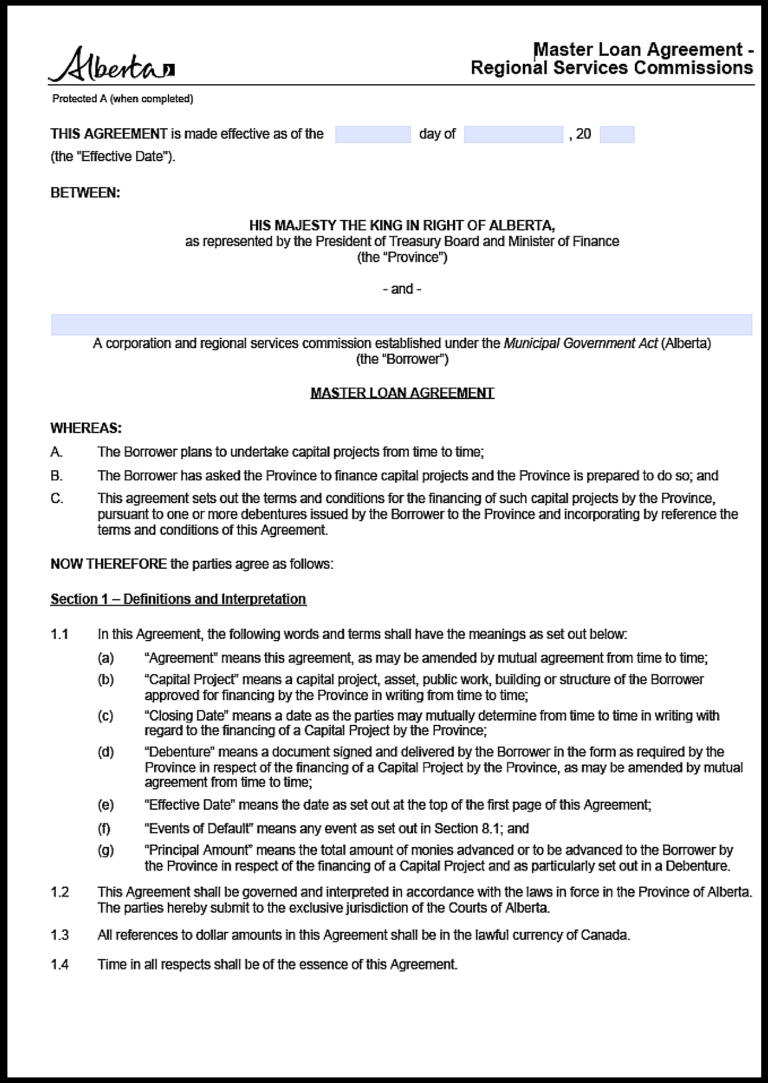
Free Alberta Independent Contractor Agreement Template
Alberta Independent Contractor Agreement is one of the most important documents for any business or freelancer working in Alberta. It helps you clearly define work, payment, and responsibilities so there is no confusion later. In simple terms, this agreement protects both the client and the contractor from legal and financial risks.
An independent contractor agreement is a written contract between a business and a self-employed person. It explains what work will be done, how much will be paid, and who owns the final result. In Alberta, this document is very important because it helps avoid misunderstandings and legal issues.
Many small businesses and freelancers skip this step, but that often leads to problems later. Under Alberta law, having a clear written agreement makes your position stronger if any dispute happens. It also helps prove that the contractor is not an employee.
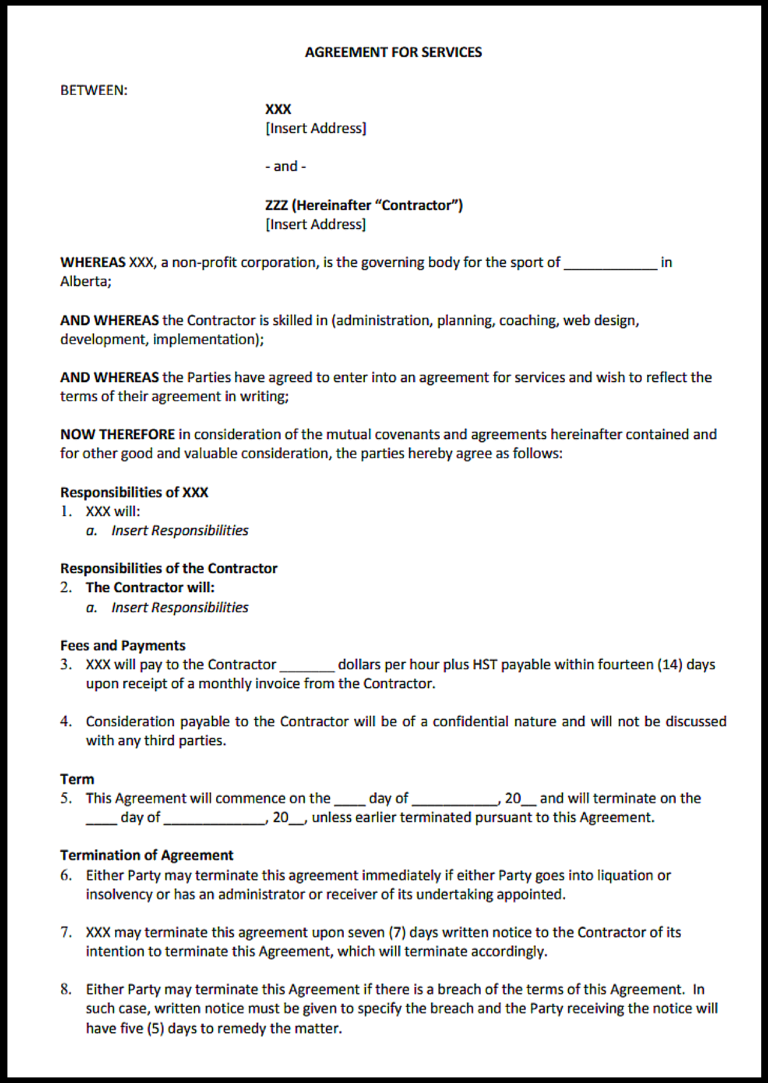
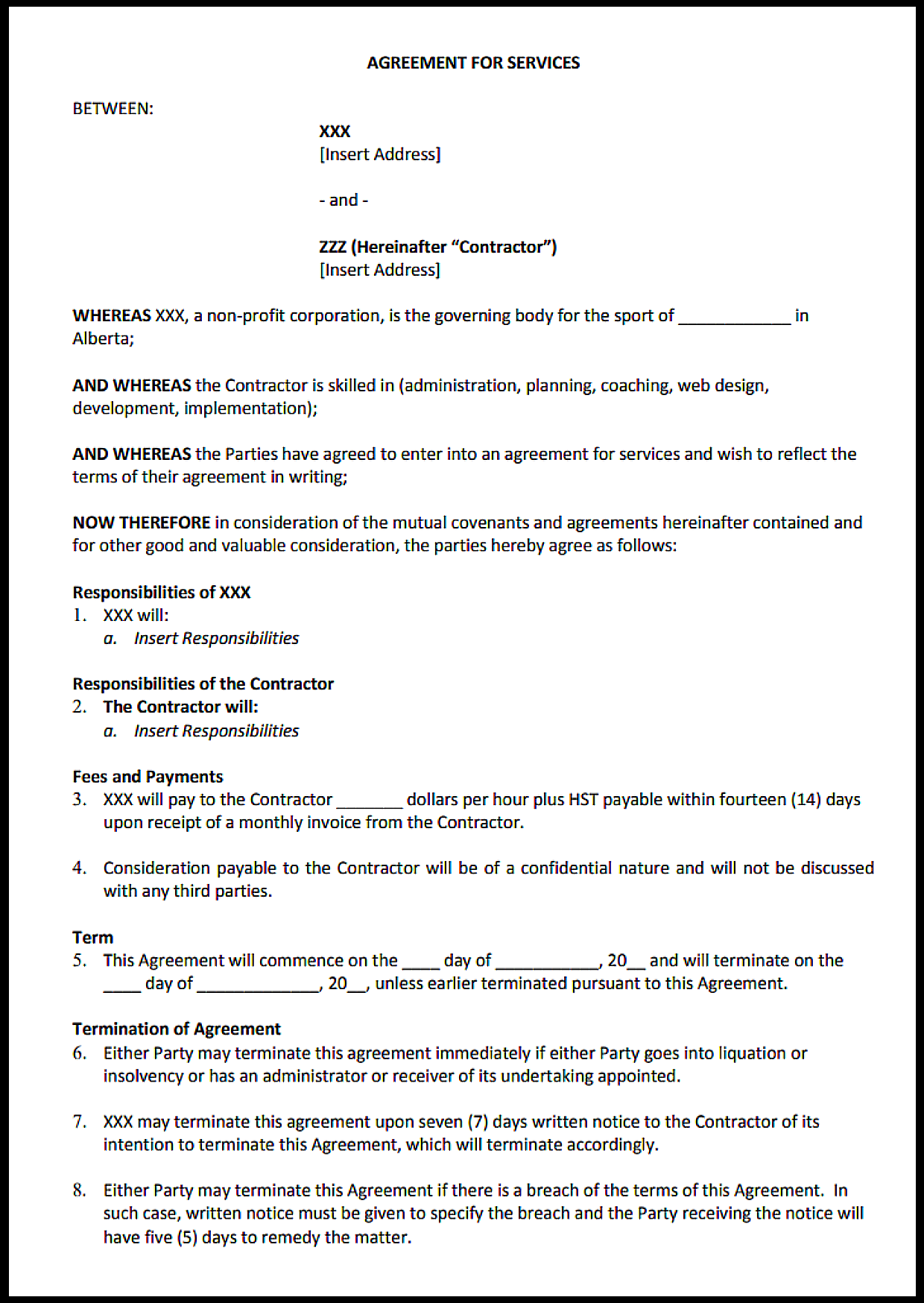
Free Alberta Independent Contractor Agreement Template
Below is a simple and ready-to-use template. You can copy, edit, and use it based on your needs.
What This Agreement Means + When to Use It
An independent contractor agreement clearly shows that the person you are hiring is not your employee. This difference is very important in Alberta because it affects taxes, benefits, and legal responsibility.
For example, if you hire a freelance designer for a one-time project, they are a contractor. But if you control their daily work like an employer, they may legally be treated as an employee.
You should use this agreement in situations like:
- Hiring freelancers or consultants
- Project-based or short-term work
- Remote or flexible working setups
- Any situation where you want to avoid employee classification
In most business contract situations, even small jobs should have a written agreement to avoid future confusion.
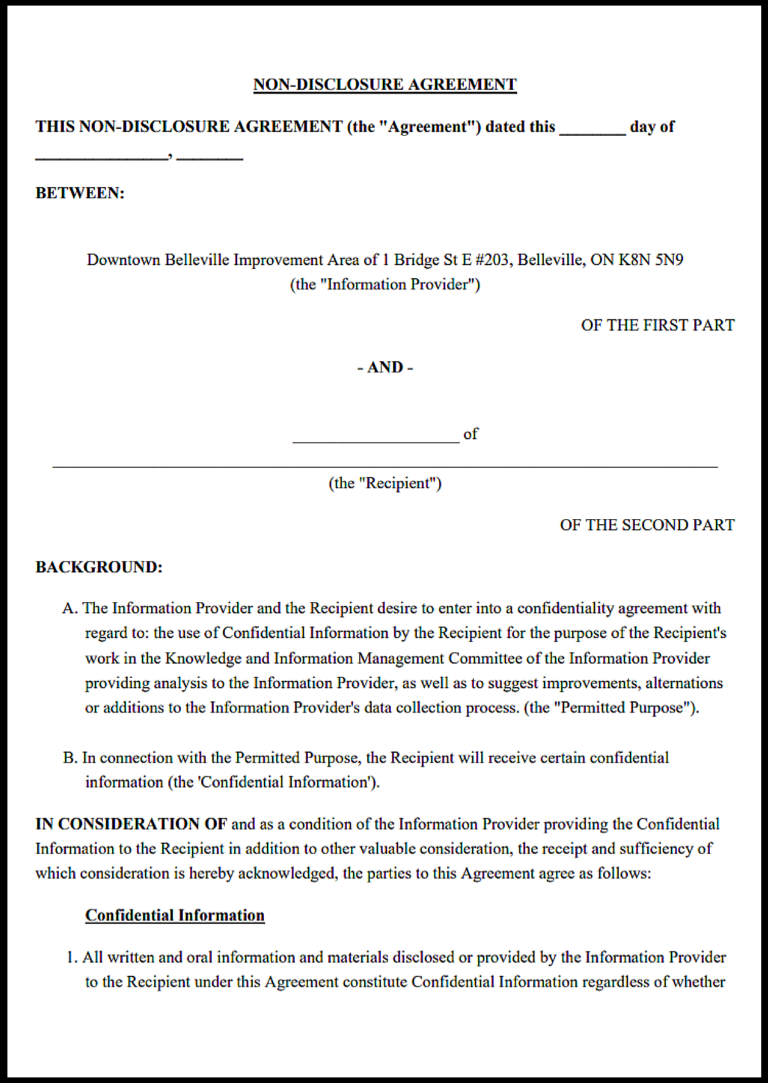
This agreement works closely with the Free Alberta NDA Template Guide when handling confidential business data. You can also review the contract drafting guide.
Key Clauses That Protect You
A strong agreement is not just about writing basic details. It must include key clauses that protect both sides. These clauses help avoid disputes and make the contract enforceable under Alberta law.
Scope of Work
This section explains what exactly the contractor will do. It should be clear and detailed so there is no confusion.
- Define tasks and deliverables clearly
- Mention deadlines if needed
A vague scope often leads to disagreements later.
Payment and Invoicing Terms
Payment terms should always be written clearly. This is one of the most common areas where disputes happen.
- Fixed, hourly, or milestone payments
- Invoice timelines
- Late payment rules (if applicable)
Clear payment terms help both parties stay on the same page.
Independent Contractor Status Clause
This clause confirms that the contractor is not an employee. Under Alberta and CRA rules, this helps protect businesses from misclassification issues.
Confidentiality and Non-Disclosure
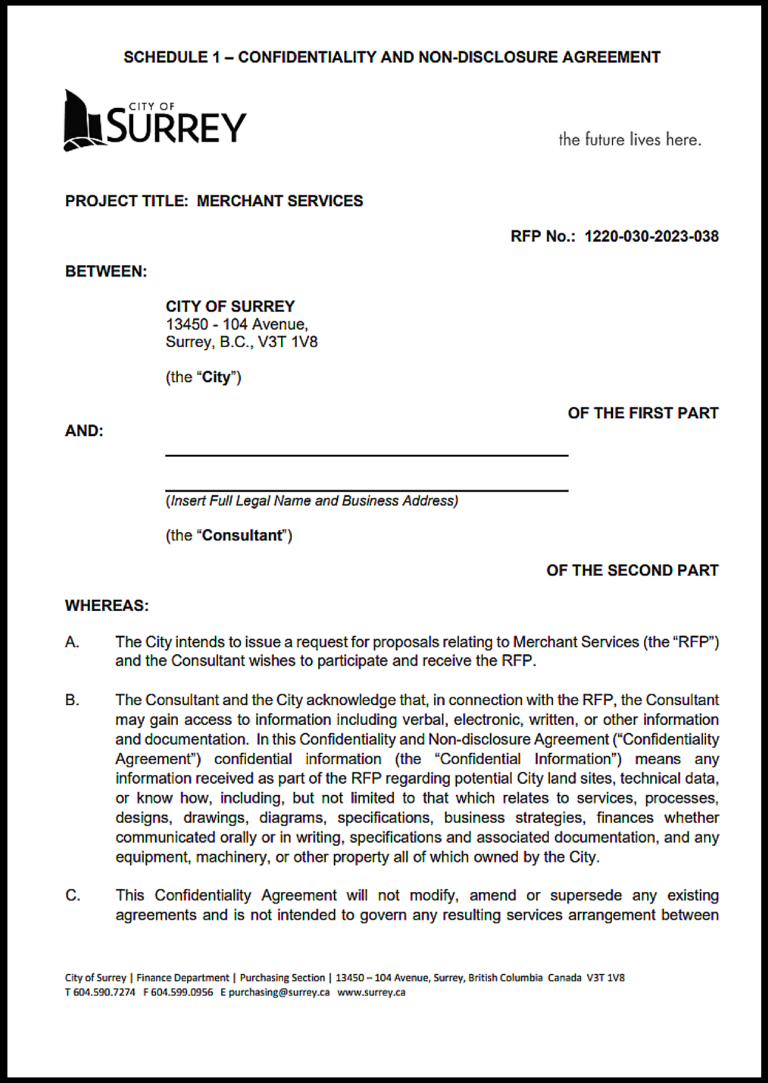
This clause protects important business information. It is especially useful for consultants, freelancers, and service providers who handle sensitive data.
Intellectual Property Ownership
This section decides who owns the final work. In most cases, businesses prefer to own the work created by the contractor.
Without this clause, ownership can become a legal issue.
Termination Clause
This explains how either party can end the agreement. It usually includes a notice period, such as 7 or 14 days.
Liability and Indemnity
This clause protects the business if something goes wrong due to the contractor’s work. It reduces financial risk and adds an extra layer of protection.
Contractor agreements are often paired with a service agreement or a freelance contract. For advisory roles, consider a consulting agreement.
Alberta Legal Rules + How to Fill the Agreement
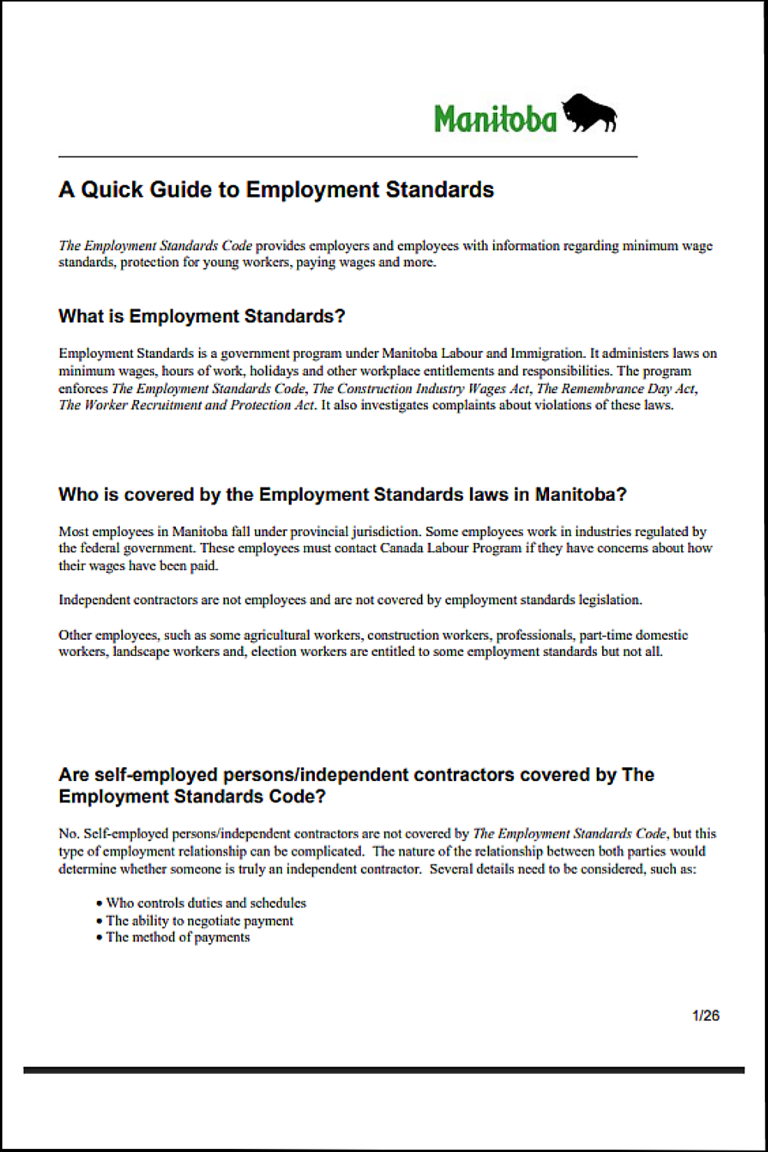
Under Alberta law and CRA guidelines, whether someone is a contractor or an employee depends on certain factors. It is not just about what you call them in the agreement.
These factors include control, tools, and financial risk. If a business controls how work is done and provides tools, the person may be treated as an employee.
Key Factors Used by CRA
| Factor | What It Means |
| Control |
Who decides how work is done
|
| Tools |
Who provides equipment
|
| Risk |
Who takes financial loss or profit
|
| Independence |
Whether the worker runs their own business
|
If these factors show an employment relationship, penalties may apply.
Contractor vs Employee in Alberta
| Factor | Contractor | Employee |
| Control | Works independently |
Employer controls work
|
| Taxes | Pays own taxes |
Employer deducts taxes
|
| Benefits | No benefits |
Eligible for benefits
|
| Risk | Higher risk | Lower risk |
This difference is very important because misclassification can lead to legal and tax problems.
How to Fill Out the Agreement (Step-by-Step)
Filling out the agreement is simple if you follow a clear process. Start by adding correct legal names of both parties. Then describe the services clearly so there is no confusion about the work.
After that, set payment terms including amount, method, and schedule. You should also add important clauses like confidentiality and intellectual property depending on the type of work.
Finally, review the agreement carefully and make sure both parties sign it. A signed agreement is much easier to enforce under Alberta law.
Common Mistakes to Avoid
Many people make simple mistakes that create big problems later. These mistakes are easy to avoid if you pay attention while creating the agreement.
- Not clearly defining the scope of work
- Treating a contractor like an employee
- Missing intellectual property clause
- Not writing payment terms properly
- Using a generic template without Alberta-specific details
Avoiding these mistakes can save you time, money, and legal trouble.
Real-Life Example Scenario
Imagine a small Alberta business hiring a freelance graphic designer. Without an agreement, there may be confusion about payment and ownership of the design.
With a proper agreement in place, everything becomes clear. The business knows what it will receive, and the contractor knows when and how they will be paid. It also clearly states who owns the final design, which prevents future disputes.
Legal Risks of Not Using an Agreement
Not using a written agreement can create serious risks for both parties. Even though verbal agreements may be valid, they are difficult to prove.
Some common risks include:
- Contractor claiming employee benefits
- CRA penalties and audits
- Disputes over payment
- Disputes over ownership
- Increased business liability
In most cases, a simple written agreement can prevent all these issues.
FAQs
Is an independent contractor agreement legally binding in Alberta?
Yes, it is legally binding if both parties agree, sign it, and exchange value (services for payment).
Can a contractor be treated like an employee?
No, but if you treat them like an employee, authorities may reclassify them and apply penalties.
Who pays taxes in Alberta for contractors?
The contractor is responsible for paying their own taxes, including CPP and possibly GST.
Do I need a lawyer to create this agreement?
Not always. A basic template works for most situations, but complex agreements may require legal advice.
Can I customize this template?
Yes, you should always customize it based on your work type and risk level.