Ontario Consulting Agreement Template PDF & Word (Free Download)
Ontario Consulting Agreement is one of the easiest ways to protect your work, define expectations, and make sure you actually get paid. If you’re a freelancer, consultant, or small business owner in Ontario, this simple contract can save you from major headaches later.
A consulting agreement is a written contract between a client and a consultant. It clearly explains what work will be done, how much will be paid, and what rules both sides must follow.
In Ontario, this matters more than most people think. Without a proper agreement, disputes about payment, deadlines, or ownership of work can quickly become messy. A simple contract gives you legal clarity and protects your time, effort, and income.
Last Updated: September 2026
Table of Contents
ToggleFree Ontario Consulting Agreement Template
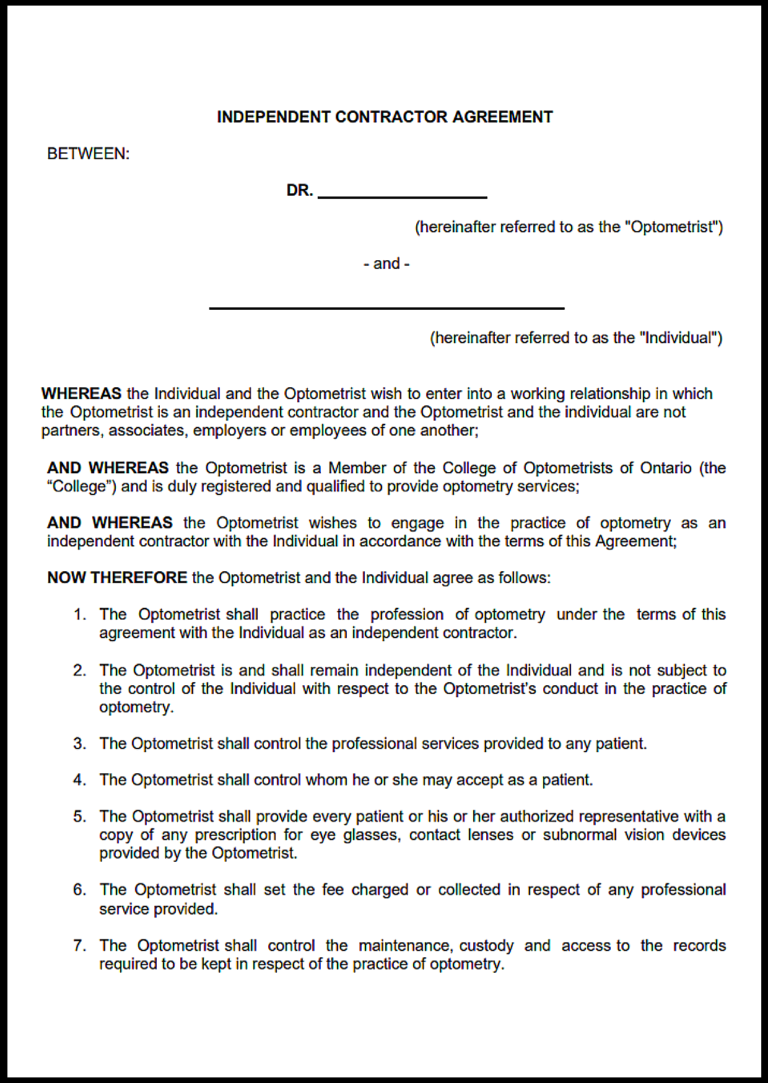
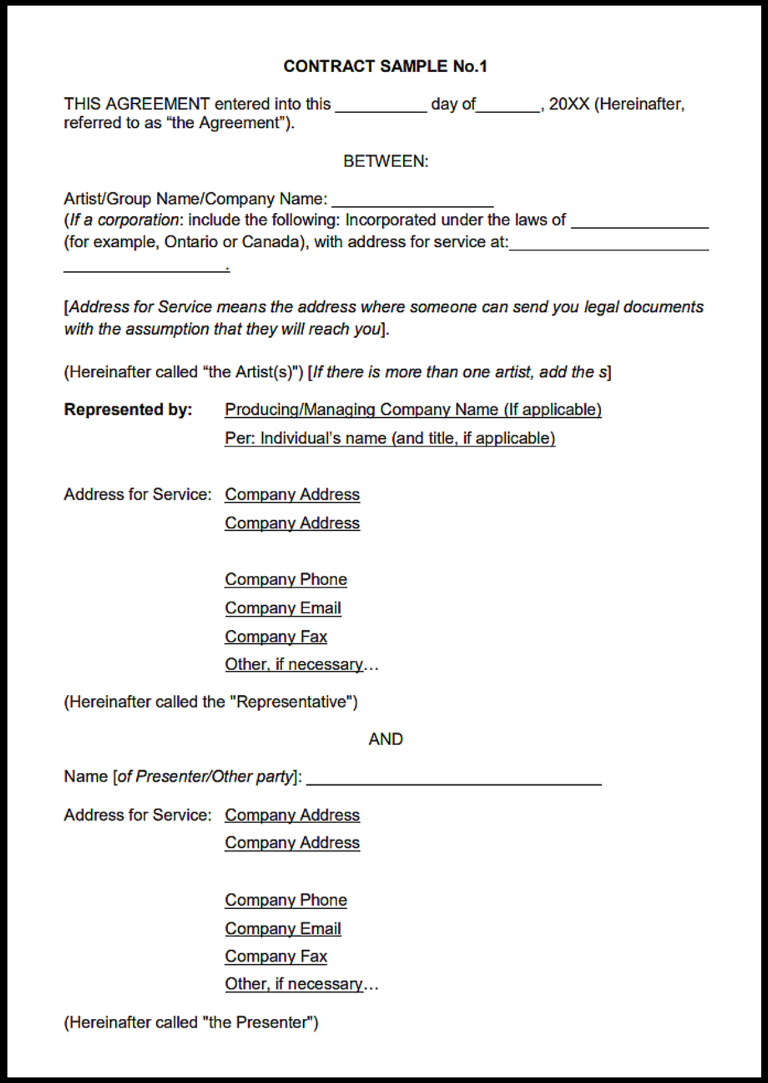
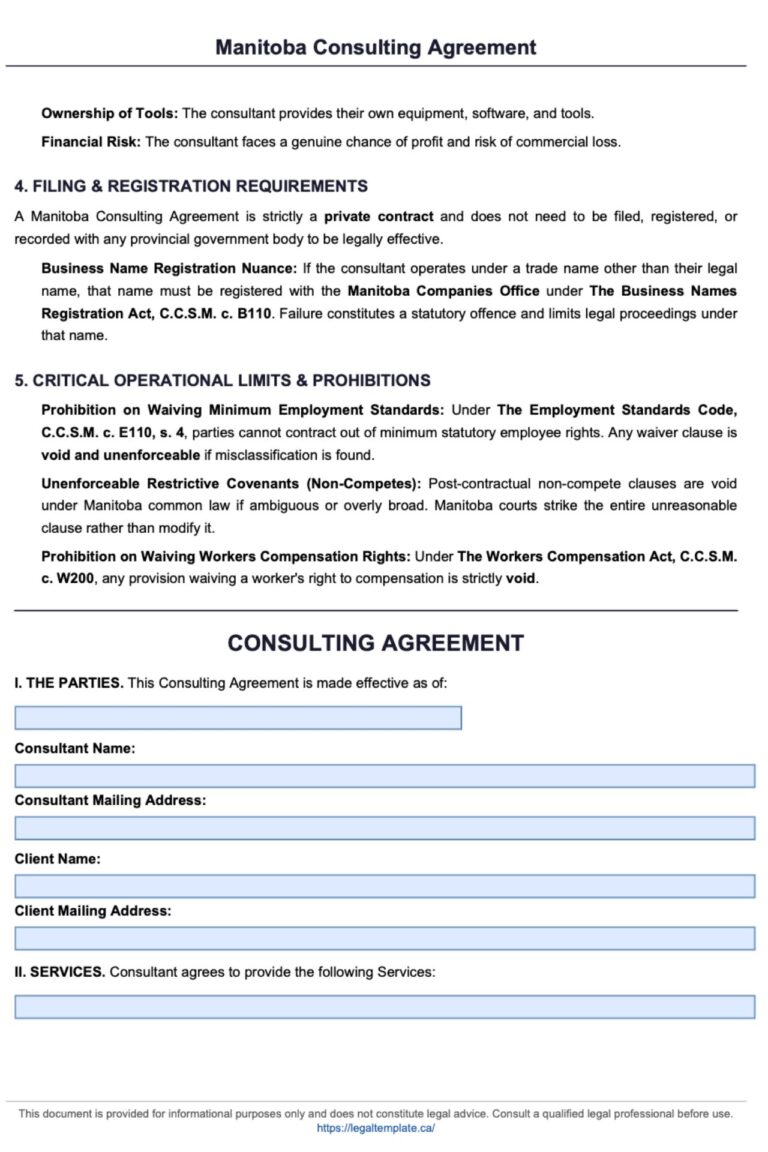
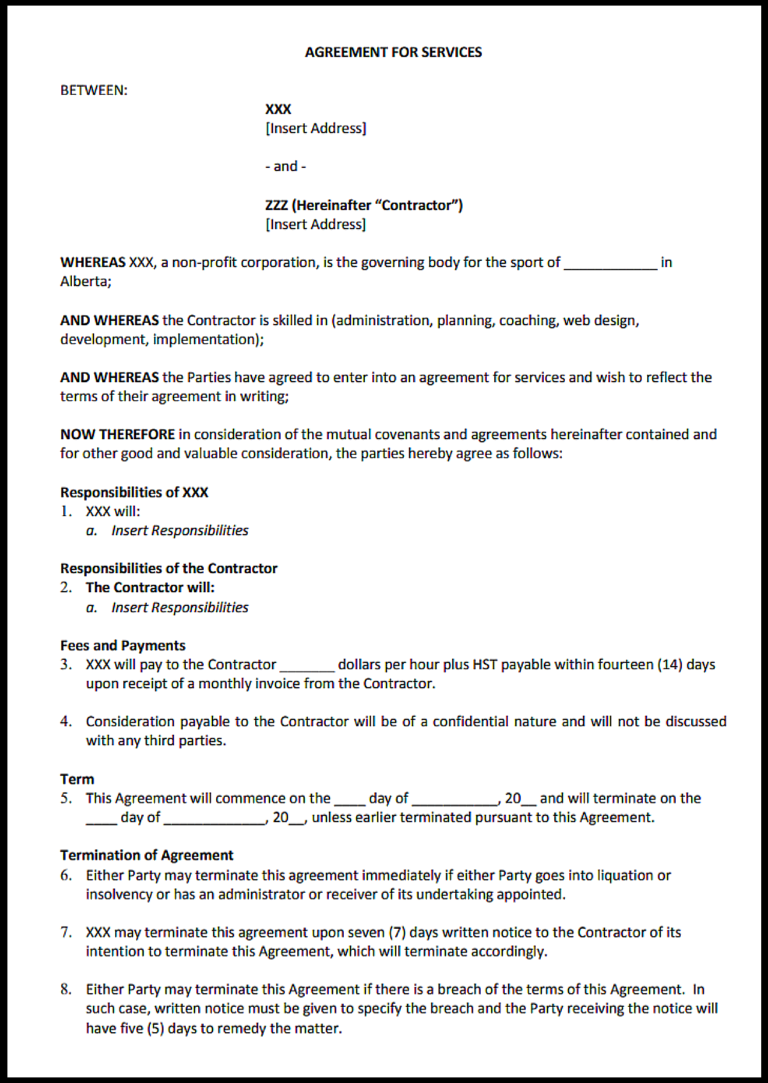
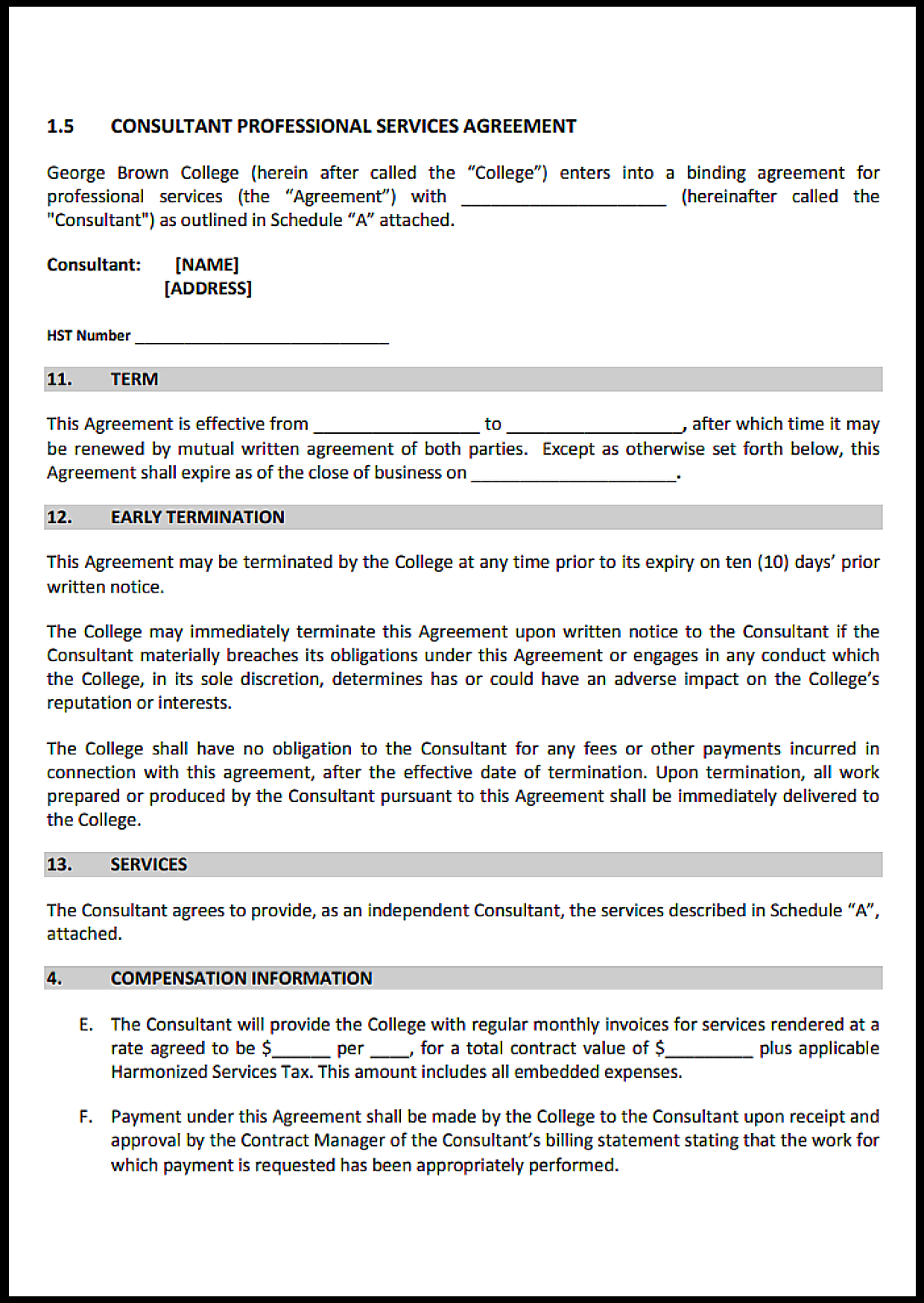
You can copy and use the template below right away. It’s simple, clean, and suitable for most basic consulting projects in Ontario.
Ontario Consulting Agreement Laws, Contractor Rules & Legal Requirements
| Topic / Issue | Ontario Legal Rule | Governing Statute |
|---|---|---|
| Governing legislation | Consulting agreements in Ontario are primarily governed by contract law, with the Limitations Act, 2002 applying to covered court proceedings and other Ontario legislation applying where the facts engage it. | Common Law of Contract; Limitations Act, 2002, S.O. 2002, c. 24, Sched. B |
| Corporate consultant rules | If a consultant operates through an Ontario corporation, the corporation’s rights, powers, obligations and authority are governed by applicable corporate law, including the Business Corporations Act. | Business Corporations Act, R.S.O. 1990, c. B.16 |
| Privacy obligations | Consultants handling personal information may be subject to PIPEDA where its federal application rules are met, including in commercial activities, as well as any other privacy law that applies to the particular organization or activity. | Personal Information Protection and Electronic Documents Act (PIPEDA), S.C. 2000, c. 5 |
| HST and GST obligations | GST/HST registration and collection requirements are governed by federal tax law. For most businesses, the small-supplier threshold is $30,000, subject to the CRA’s rules for a single calendar quarter and four consecutive calendar quarters. | Excise Tax Act, R.S.C., 1985, c. E-15 |
| Recent legal developments | A restrictive covenant involving a genuine independent contractor is generally assessed under the common-law restraint-of-trade principles. If the worker is legally an employee, Ontario’s statutory non-compete prohibition may apply. | Common Law Doctrine of Restraint of Trade; Employment Standards Act, 2000, S.O. 2000, c. 41, ss. 5.1 and 67.2 |
| Who can sign | A person with contractual capacity may sign a consulting agreement, and a corporation may act through a person who has authority to bind it. In Ontario, a person aged 18 or older is presumed capable of entering into a contract. | Age of Majority and Accountability Act, R.S.O. 1990, c. A.7, s. 1; Business Corporations Act |
| Witness requirement | An ordinary consulting agreement does not generally require a witness merely to be enforceable, although the parties should keep a clear signed record of the agreement. | N/A |
| Notarization | An ordinary consulting agreement does not generally need to be notarized to be enforceable. | N/A |
| Legal capacity | A person who is 18 or older is presumed to be capable of entering into a contract. Contractual capacity can still become an issue where there are reasonable grounds to question a person’s capacity. | Age of Majority and Accountability Act, s. 1; Substitute Decisions Act, 1992, S.O. 1992, c. 30 |
| Time limit to sue | The basic limitation period for a covered claim in Ontario is generally two years from the date the claim was discovered, subject to the Limitations Act, 2002 and its exceptions. | Limitations Act, 2002, s. 4 |
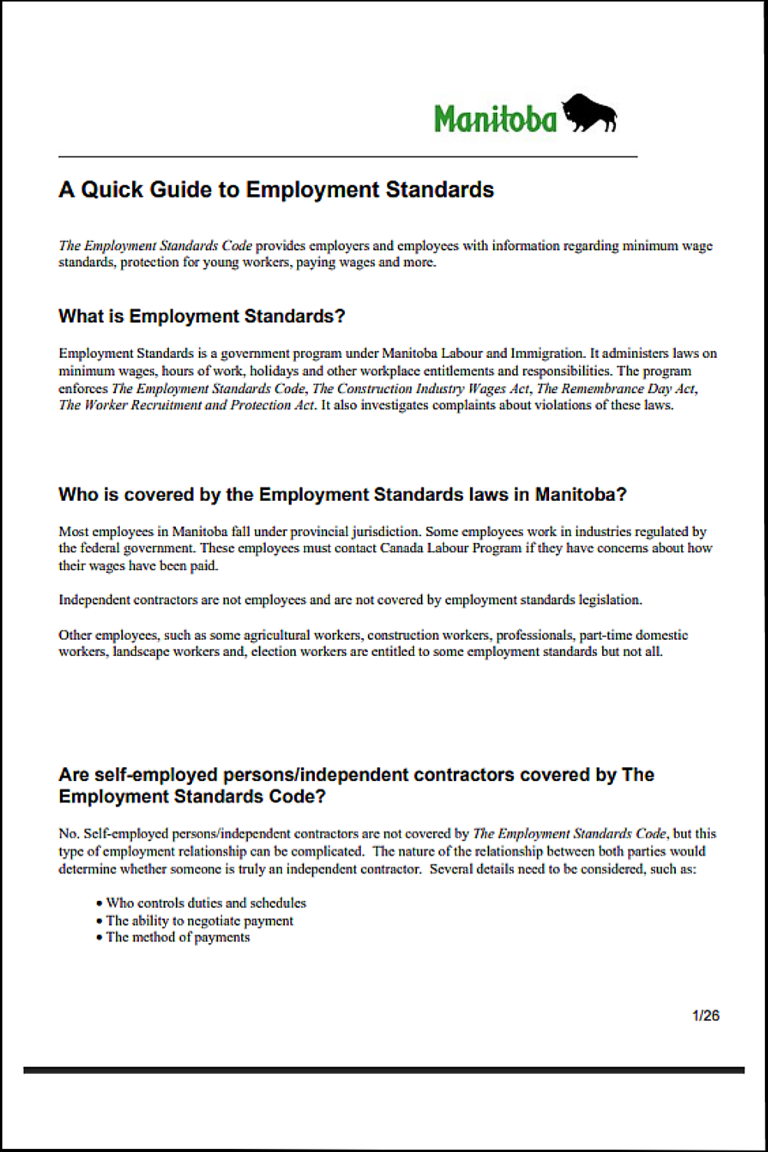
| Independent contractor status | The agreement should accurately describe the intended independent-contractor relationship, but the contractual label alone does not determine legal or tax status. The actual working relationship must also be considered. | Employment Standards Act, 2000 |
| ESA protection limits | If a consultant is legally an employee, the Employment Standards Act applies and the parties generally cannot contract out of or waive its minimum employment standards. | Employment Standards Act, 2000, s. 5 |
| Filing requirement | An ordinary consulting agreement is a private contract and generally does not have to be filed with the Ontario government. | N/A |
| Business name registration | An individual generally must register a business name if they carry on business or identify the business to the public under a name other than their own name. Ontario provides for business-name registration through the Ontario Business Registry. | Business Names Act, R.S.O. 1990, c. B.17 |
| Illegal non-compete clauses | A non-compete in a consulting agreement is not automatically prohibited by ESA s. 67.2. If the relationship is legally employment, the statutory prohibition may apply; otherwise, the restrictive covenant is assessed under applicable common-law principles. | Employment Standards Act, 2000, s. 67.2 |
| Lack of consideration | A material amendment to an existing consulting agreement can raise questions about consideration and enforceability. Whether additional consideration is required depends on the circumstances and the nature of the amendment. | Common Law of Contract |
| Ontario limitation period difference | Ontario generally has a two-year basic limitation period for covered claims, calculated from discovery, but the Limitations Act, 2002 contains exceptions and other rules that can affect the applicable deadline. | Limitations Act, 2002, s. 4 |
| Ontario non-compete ban | Ontario introduced a statutory prohibition on employment non-compete agreements through the Working for Workers Act, 2021, with the relevant ESA provisions deemed effective October 25, 2021. | Working for Workers Act, 2021 |
| WSIB and HST responsibility | Where WSIB coverage may apply, the agreement should clearly allocate responsibilities, but the parties should first determine whether the consultant is a worker or independent operator and whether special construction rules apply. | WSIB requirements; Excise Tax Act |
One of the most important Ontario consulting agreement issues is worker misclassification. Many businesses call someone a “consultant,” but the contractual label does not determine legal status. If the actual relationship has characteristics of employment, Ontario employment standards and other legal obligations may apply. The classification analysis can also have tax and other consequences.
Ontario’s non-compete rules also require care. The Employment Standards Act prohibits employers from entering into employment non-compete agreements with employees, subject to statutory exceptions. A genuine independent contractor relationship is different and may instead be assessed under common-law restraint-of-trade principles. Another important issue is Ontario’s two-year basic limitation period. Waiting too long to take legal action after discovering a covered claim can result in the claim being statute-barred, subject to applicable exceptions.
These rules matter in real business situations because poorly written consulting agreements can lead to payment disputes, intellectual-property disagreements, employee reclassification claims, tax issues, and litigation. The free Ontario Consulting Agreement template below can help document the relationship, but the terms should be reviewed and customized for the particular project and parties.
What Is an Ontario Consulting Agreement?
In simple terms, an Ontario consulting agreement is a legal contract where a consultant agrees to provide services to a client in exchange for payment.
Consultant vs Employee
Many people confuse consultants with employees. The legal distinction matters because the rights and obligations can be different.
| Feature | Consultant | Employee |
| Control | May have greater independence over how the work is performed |
Employer generally exercises greater control over the work
|
| Taxes | A genuinely self-employed consultant generally handles their own tax obligations |
Employer may have payroll deduction and remittance obligations
|
| Benefits | Not automatically entitled to employee benefits |
May receive statutory and contractual employment benefits
|
| Legal status | Depends on the actual working relationship, not only the contract label |
Depends on the actual working relationship and applicable law
|
Under Ontario law, this distinction is very important. Misclassifying someone can lead to employment, tax, and other legal consequences.
Common Industries Using Consulting Agreements
- Marketing and social media
- IT and software development
- Business strategy
- Graphic design
- Financial consulting
Real-Life Example
A Toronto startup hires a social media consultant for a three-month project. The agreement identifies the deliverables, payment dates and ownership of campaign materials, giving both sides a clearer record if a disagreement later arises.
Consultants often handle confidential business data, which is why it’s important to review the NDA template resource when creating a legally complete agreement.
When Should You Use a Consulting Agreement in Ontario?
You should consider using this agreement whenever a client engages an independent professional to provide paid consulting or professional services.
Common situations:
- Hiring freelancers
- Short-term or project-based work
- Remote consulting (very common now)
- Any paid service arrangement
Practical safeguard: Where possible, finalize the agreement before substantial work begins, particularly when the project involves confidential information, intellectual property or significant upfront costs.
Verbal agreements can sometimes be legally enforceable, but important terms may be more difficult to prove if a dispute arises.
Key Elements Every Ontario Consulting Agreement Must Include
Clear Scope of Work
Scope disputes are easier to prevent when the agreement identifies the actual services and expected results.
- Describe exactly what will be done
- Include deliverables
- Add deadlines
Avoid vague phrases like “marketing support.” Be specific.
Payment Terms
Clearly define how and when payment happens.
- Hourly rate, fixed fee, or milestones
- Payment schedule (weekly, monthly, per project)
- Late payment penalties (optional but helpful)
Independent Contractor Clause
This clause records the parties’ intention to create a consulting relationship. It does not by itself determine whether the worker is legally an independent contractor; the actual working relationship also matters.
It can address matters such as:
- Their own taxes
- Their own benefits
- Their own tools
Confidentiality Clause
Important for protecting business information.
This can address whether the consultant may disclose:
- Client data
- Business strategies
- Financial information
Intellectual Property Ownership
One of the most overlooked sections.
Ask clearly:
- Who owns the final work?
Under s. 13(1) of the Copyright Act, R.S.C. 1985, c. C-42, the author is generally the first owner of copyright unless the Act provides otherwise. A copyright assignment must be in writing and signed by the owner or an authorized agent. Moral rights cannot be assigned, but they may be waived in whole or in part.
Termination Clause
Defines how either party can end the agreement.
Include:
- Notice period (e.g., 7–14 days)
- Conditions for termination
The appropriate notice period should reflect the project, payment structure and agreed termination terms rather than being treated as a universal Ontario requirement.
Is a Consulting Agreement Legally Enforceable in Ontario?
A consulting agreement can be enforceable when the parties have formed a binding contract and its terms are sufficiently clear and lawful.
Under Ontario law, a consulting agreement generally involves:
- Offer → One party proposes the services or arrangement
- Acceptance → The other party agrees to the proposed terms
- Consideration → Each side provides something of legal value, such as services in exchange for payment
Other issues can also affect enforceability, including certainty of terms, lawful purpose, contractual capacity, misrepresentation, and the circumstances in which the agreement was made.
Ontario follows common law principles, and a written agreement can provide strong evidence of what the parties agreed.
While verbal agreements can be valid, written agreements are generally easier to prove because the agreed terms are recorded.
This type of agreement is closely related to a service agreement format and may also align with a contractor agreement structure depending on the working relationship.
Ontario Laws That Affect Consulting Agreements
Independent Contractor vs Employee Rules
Ontario law looks at the actual working relationship, including factors such as:
- Level of control
- Ownership of tools
- Financial risk
Other relevant factors may include the ability to subcontract or hire assistants, investment and management responsibility, and opportunity for profit.
If a consultant is legally treated as an employee, employment-law obligations can arise despite the contract using the word “consultant.”
Tax Obligations
A genuinely self-employed consultant generally handles their own income-tax and CPP obligations.
- The consultant generally handles their own taxes
- They may need to charge HST (if applicable)
GST/HST registration and collection depend on the consultant’s taxable supplies and the CRA’s registration rules.
Employment Standards Confusion
The Employment Standards Act generally applies to employees rather than genuine independent contractors.
Many people misunderstand this. A consultant is not automatically entitled to employee protections simply because they provide services to a business, but the label “consultant” does not prevent the ESA from applying if the person is legally an employee.
Common Mistakes to Avoid
Common drafting problems include:
- Not defining the scope clearly
- Missing payment terms
- Ignoring intellectual property ownership
- Using US-based templates (not suitable for Ontario)
- Not signing before work starts
Addressing these points can reduce uncertainty, although no contract can eliminate every potential dispute.
Real-Life Example
A small Ontario business hires a freelance social media manager.
Without Agreement:
- No clear deliverables
- Payment delays
- Arguments about expectations
With Agreement:
- Clear tasks and deadlines
- Fixed payment schedule
- Written terms addressing ownership and confidentiality
The agreement gives the parties a written reference point if the scope, payment or deliverables are later disputed.
Consulting Agreement vs Independent Contractor Agreement
These terms are often used interchangeably—but there are slight differences.
| Type | Key Feature | Typical Focus |
| Freelancer | Works per project |
Defined services and deliverables
|
| Independent Contractor | Ongoing but independent |
Independent business relationship and services
|
| Employee | Works within an employment relationship |
Employment duties, control and statutory protections
|
The CRA (Canada Revenue Agency) looks at several factors when determining whether a worker is an employee or self-employed, including:
- Control over work
- Ownership of tools
- Chance of profit or loss
Other factors can include the ability to subcontract, financial risk, investment and management responsibility.
Misclassification can lead to employment, tax and other legal consequences.
Tax and Payment Considerations for Ontario Freelancers
A genuinely self-employed freelancer generally handles their own income-tax and CPP obligations.
Key points:
- Report all income to the CRA
- For most businesses, GST/HST registration generally becomes mandatory when the $30,000 small-supplier threshold is exceeded in a single calendar quarter or over four consecutive calendar quarters, subject to CRA rules and exceptions.
- Excise Tax Act, R.S.C. 1985, c. E-15
- Keep invoices and records
Why contracts help:
They provide a written record of the agreed payment terms and can help document business transactions and income.
What Happens If a Client Doesn’t Pay?
If a client refuses to pay, follow these steps:
- Send a polite reminder
- Refer to your contract terms
- Send a formal demand letter
- Consider commencing an action in the Ontario Small Claims Court, a branch of the Superior Court of Justice, if the claim falls within the court’s monetary jurisdiction. Effective October 1, 2025, the maximum claim amount is $50,000, subject to the applicable rules.
A signed contract can be important evidence of the agreed terms. Without written terms, the parties may have to rely more heavily on invoices, emails, messages and other evidence.
How to Fill Out the Freelance Contract (Step-by-Step)
Follow these steps carefully:
- Add full names and contact details
- Describe services clearly (no vague terms)
- Set clear payment terms
- Include realistic deadlines
- Review everything before signing
- Keep a signed copy for records
Tip: Where possible, finalize the agreement before substantial work begins, particularly when the project involves confidential information, intellectual property or significant upfront costs.
Frequently Asked Questions
Do I need a freelance contract in Ontario?
Yes, while it is not generally legally required, a freelance contract is strongly recommended. It can document the services, payment terms, deadlines, intellectual-property rights and other important terms.
Can I write my own freelance agreement?
Yes, you can create your own freelance agreement. A self-written agreement can be legally binding if the parties form a valid contract, but the document should contain sufficiently clear and lawful terms that reflect the actual relationship.
Is a digital signature valid in Ontario?
Yes. Ontario’s Electronic Commerce Act, 2000 generally recognizes electronic signatures and electronic contracts. Section 11 provides that a legal requirement for a signature can generally be satisfied by an electronic signature, subject to the Act’s requirements and exceptions.
What if there is no written contract?
If there is no written contract, an oral agreement may still be legally binding if the requirements for contract formation are met. The main practical difficulty is proving the agreed terms if a dispute arises.
Can I reuse the same contract for all clients?
You can reuse a consulting agreement template, but review and customize the scope, payment terms, intellectual-property provisions, confidentiality obligations, termination terms and other provisions for each client and project.
Conclusion
A well-drafted Ontario Consulting Agreement or freelance contract should document the services, payment terms, intellectual-property rights, confidentiality obligations and termination process. It should also reflect the parties’ actual working relationship rather than relying only on the label “independent contractor.”
It:
- Sets clear expectations
- Documents important terms
- Provides evidence of the parties’ agreement
Use the free template above, customize it for your project, and consider getting the agreement finalized before substantial work begins.
For professional legal help or to find qualified lawyers in Ontario, you can refer to the Law Society of Ontario.