Are Contracts Legally Binding Alberta? Full Guide
Are contracts legally binding Alberta? Yes—if they meet certain legal conditions. In simple words, a contract is just an agreement between two people or businesses. For example, hiring a designer, buying goods, or renting a shop all involve contracts.
When something is “legally binding,” it means the law will enforce it. I’ve seen Alberta clients rely on handshake deals or vague text messages, only to find out later they had no clear proof when a dispute started. In Alberta, even a simple contract can become a serious legal issue if the terms, payment details, or responsibilities are not clearly understood from the beginning.
If one party breaks the agreement, the other can take legal action. This is important for both individuals and businesses because it protects money, time, and expectations.
In this article, you will learn about free templates, different contract types, Alberta legal basics, and how to avoid common mistakes.
Types of Contracts in Alberta (Core Hub Section)
Service Agreements
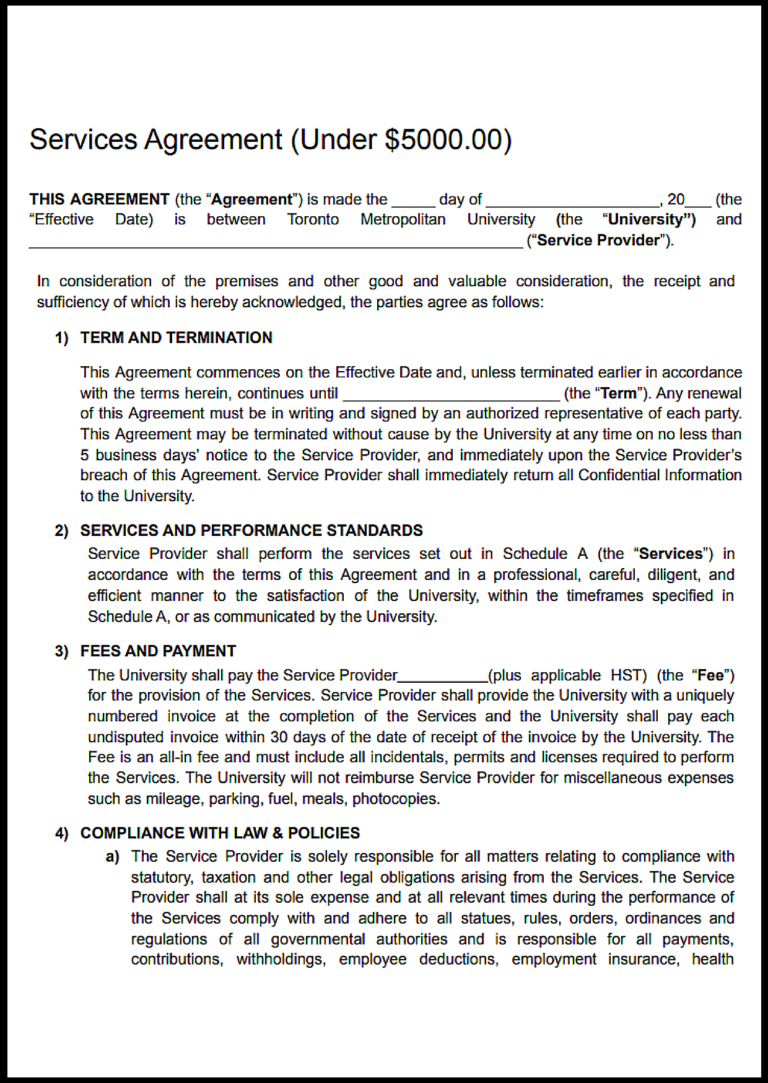
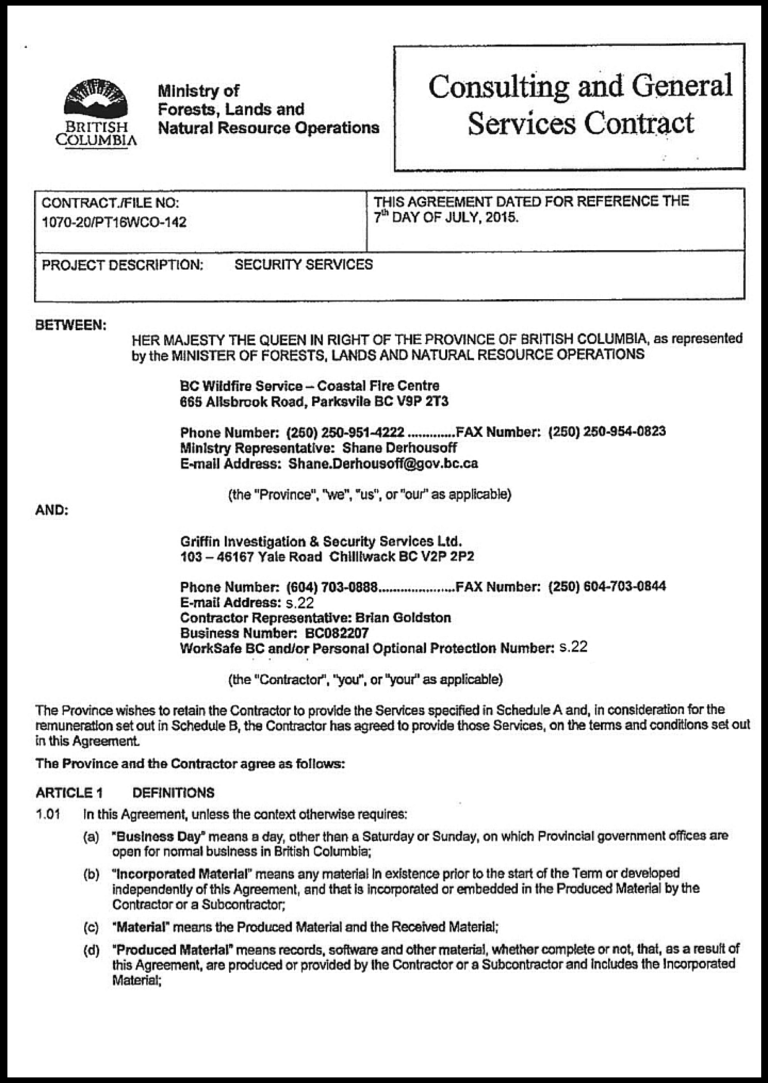
Service agreements are used when one person provides services to another, like freelancers or agencies. These are very common in small businesses and online work. They help clearly define tasks, deadlines, and payment terms.
Independent Contractor Agreements
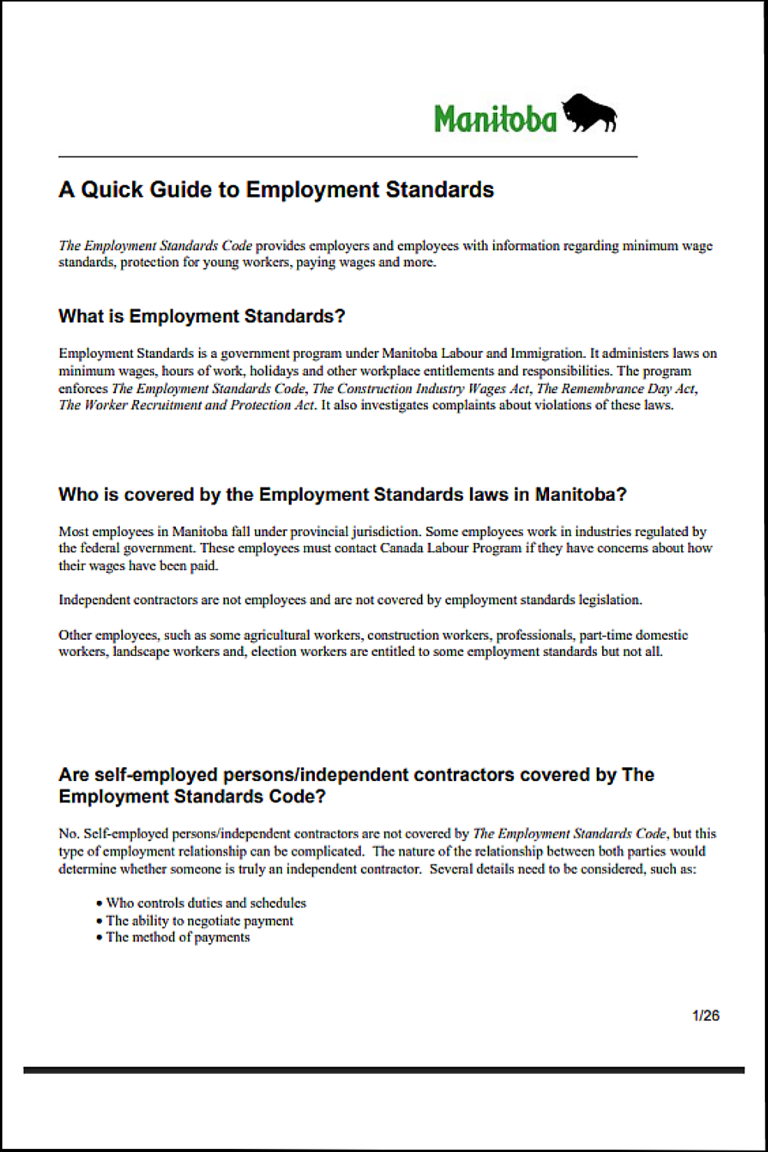
These agreements define the relationship between a business and a contractor. They are important to avoid confusion between an employee and a contractor, which can lead to legal issues in Alberta.
Employment Contracts
Employment contracts are used when hiring staff. They usually include salary, job duties, working hours, and termination rules. These must follow Alberta employment standards.
Non-Disclosure Agreements (NDAs)
NDAs protect confidential information like business ideas or client data. They are often used in startups, partnerships, and hiring situations.
Partnership Agreements
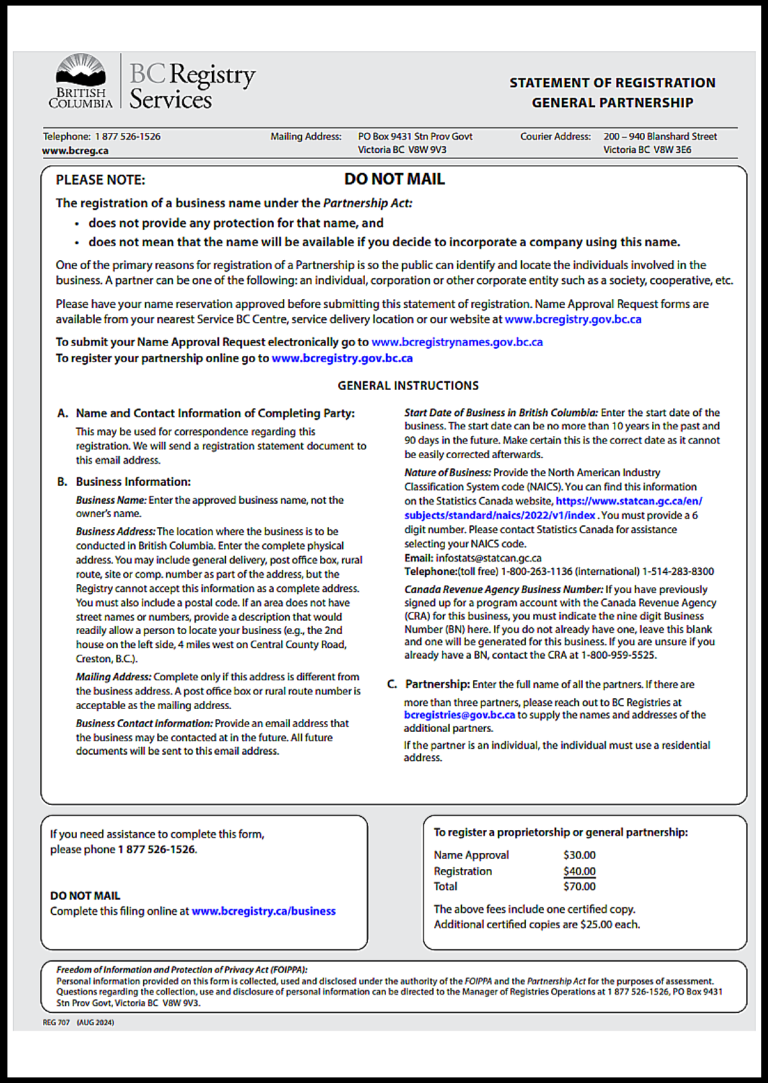
When starting a business with someone, a partnership agreement is very important. It explains roles, profit sharing, and responsibilities to avoid future conflicts.
Sales and Purchase Agreements
These are used when buying or selling goods, assets, or even a business. They help prevent disputes related to payment or delivery.
Lease and Rental Agreements
Lease agreements are used for renting property. They define rent, duration, and responsibilities of both landlord and tenant.
This topic directly supports the Free Alberta NDA Template Guide, helping you understand when confidentiality agreements become enforceable. You can also review the contract drafting guide for proper structure.
Real-Life Use Cases (When Contracts Become Legally Binding)
Contracts become legally binding in many everyday situations. For example, hiring a freelancer, starting a business with a friend, renting a commercial space, selling equipment, or accepting a job offer.
In Alberta, a contract becomes binding once key elements are present—not just when it is written. Even verbal agreements can be valid if both parties clearly agree and exchange something of value. However, written contracts are much easier to prove and safer to use.
Key Elements of a Valid Contract in Alberta
For a contract to be valid under Alberta law, it must include the following elements:
- Offer and Acceptance: One party offers something, and the other agrees
- Consideration: There must be an exchange of value like money or services
- Intention: Both parties must intend it to be legally binding
- Capacity: Parties must be legally able (age and mental ability)
- Lawful Purpose: The agreement must not involve illegal activity
Legally binding terms apply to documents such as a service agreement, partnership agreement, and employment contract, all of which must meet provincial requirements.
Table: Key Elements of a Valid Contract
| Element | Meaning | Example |
| Offer & Acceptance | Agreement between parties |
Service offered and accepted
|
| Consideration | Value exchanged |
Payment for work
|
| Intention | Legal commitment |
Business agreement
|
| Capacity | Legal ability | Adults signing |
| Lawful Purpose | Legal activity |
Selling legal goods
|
How to Create or Complete a Contract in Alberta
Creating a contract does not need complex legal language. It just needs clarity and completeness.
Start by clearly defining roles and responsibilities so both parties know what to expect. Then write all important terms such as payment, timeline, and duties. It is also important to include what happens if something goes wrong, like dispute resolution or termination terms.
Before signing, always review the contract carefully to avoid confusion later. Once both parties sign, each should keep a copy for records.
Legal Overview in Alberta
In Alberta, contracts are mainly governed by common law principles. This means rules come from court decisions rather than one single law.
Some contracts are also affected by specific laws like sales of goods rules or employment standards. Verbal contracts can be legally binding, but they are difficult to prove in disputes. That’s why written contracts are strongly recommended in most business situations.
Table: Verbal vs Written Contracts
| Type | Validity | Risk Level |
Recommendation
|
| Verbal Contract | Legally valid | High risk | Avoid if possible |
| Written Contract | Legally valid | Low risk |
Strongly recommended
|
Common Mistakes That Make Contracts Invalid
Many contracts fail because of simple mistakes. Not clearly defining terms or responsibilities is one of the biggest issues. Missing signatures or proof of agreement can also make enforcement difficult.
Other common problems include using vague language, not including payment details, ignoring Alberta-specific rules, or copying templates without customizing them. These mistakes can lead to disputes or make the contract unenforceable.
Choosing the Right Contract Type (Decision Guide)
Choosing the correct contract depends on your situation. If you are hiring a freelancer, a service agreement is best. For long-term contractors, use an independent contractor agreement.
If you are hiring employees, an employment contract is necessary. For business partnerships, use a partnership agreement. To protect confidential information, use an NDA. For selling goods or assets, a purchase agreement works best. And for renting property, a lease agreement is required.
FAQs
Are verbal contracts legally binding in Alberta?
Yes, but they are harder to prove compared to written contracts.
Do contracts need to be notarized in Alberta?
No, most contracts do not require notarization unless legally specified.
Can a contract be broken legally?
Yes, depending on its terms or if one party breaches the agreement.
What makes a contract invalid in Alberta?
Missing key elements like agreement, consideration, or legal purpose.
Is a handwritten contract valid?
Yes, as long as it meets all legal requirements, it is enforceable.