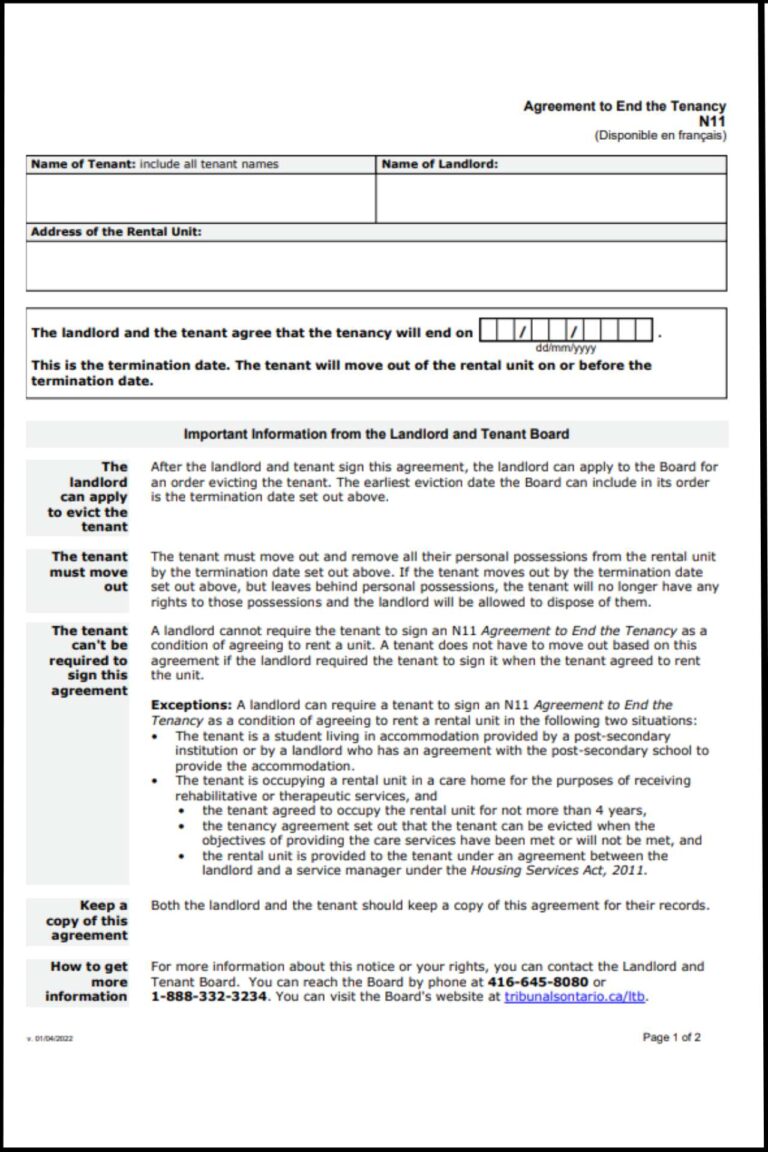
Alberta Sublease Agreement (Free Template PDF)
Alberta Sublease Agreement is a simple legal document that lets a tenant rent out their place to someone else for a short time. If you’re planning to move out temporarily but don’t want to break your lease, this guide will help you do it the right way.
Maybe you got a short-term job in another city, or you’re going home for summer break. Instead of paying rent for an empty place, you can sublease it. I’ve seen Alberta tenants get into serious disputes because they subleased without proper written consent from the landlord or failed to clearly set out who was responsible for rent and damages. When people are already stressed about moving or covering costs, missing those small legal details can quickly turn into eviction notices or unpaid rent problems.
In this article, you’ll get a free Alberta sublease agreement template plus clear legal rules so you don’t make costly mistakes.
Free Alberta Sublease Agreement Template
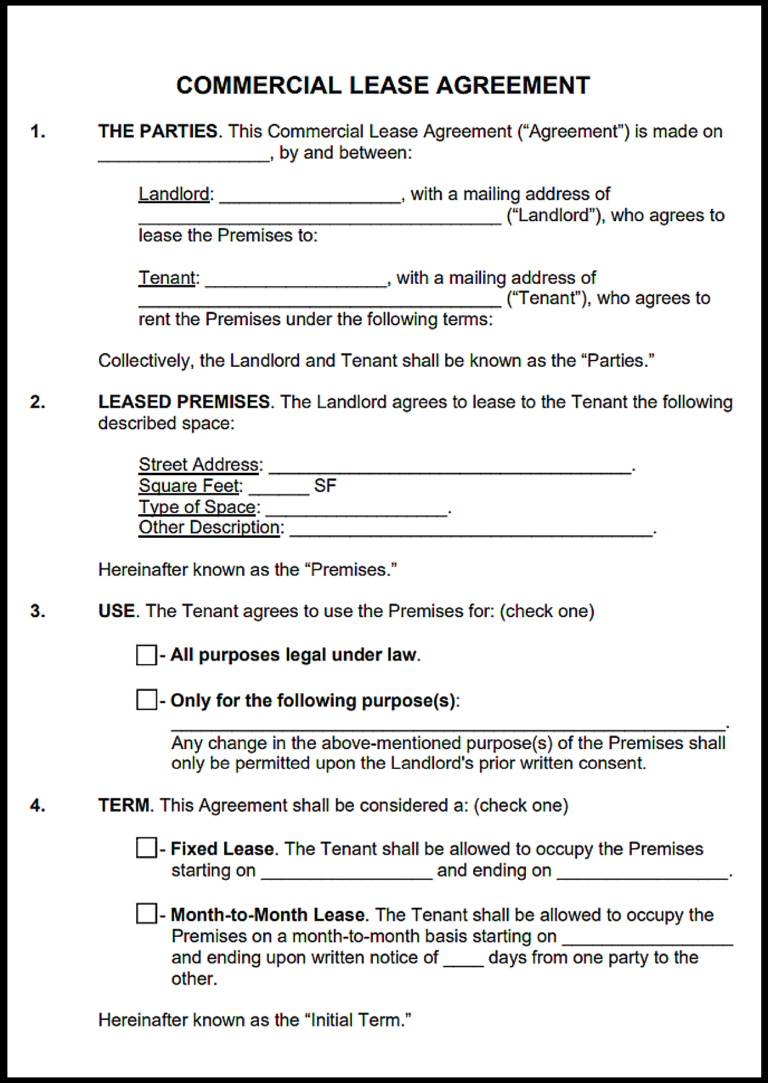
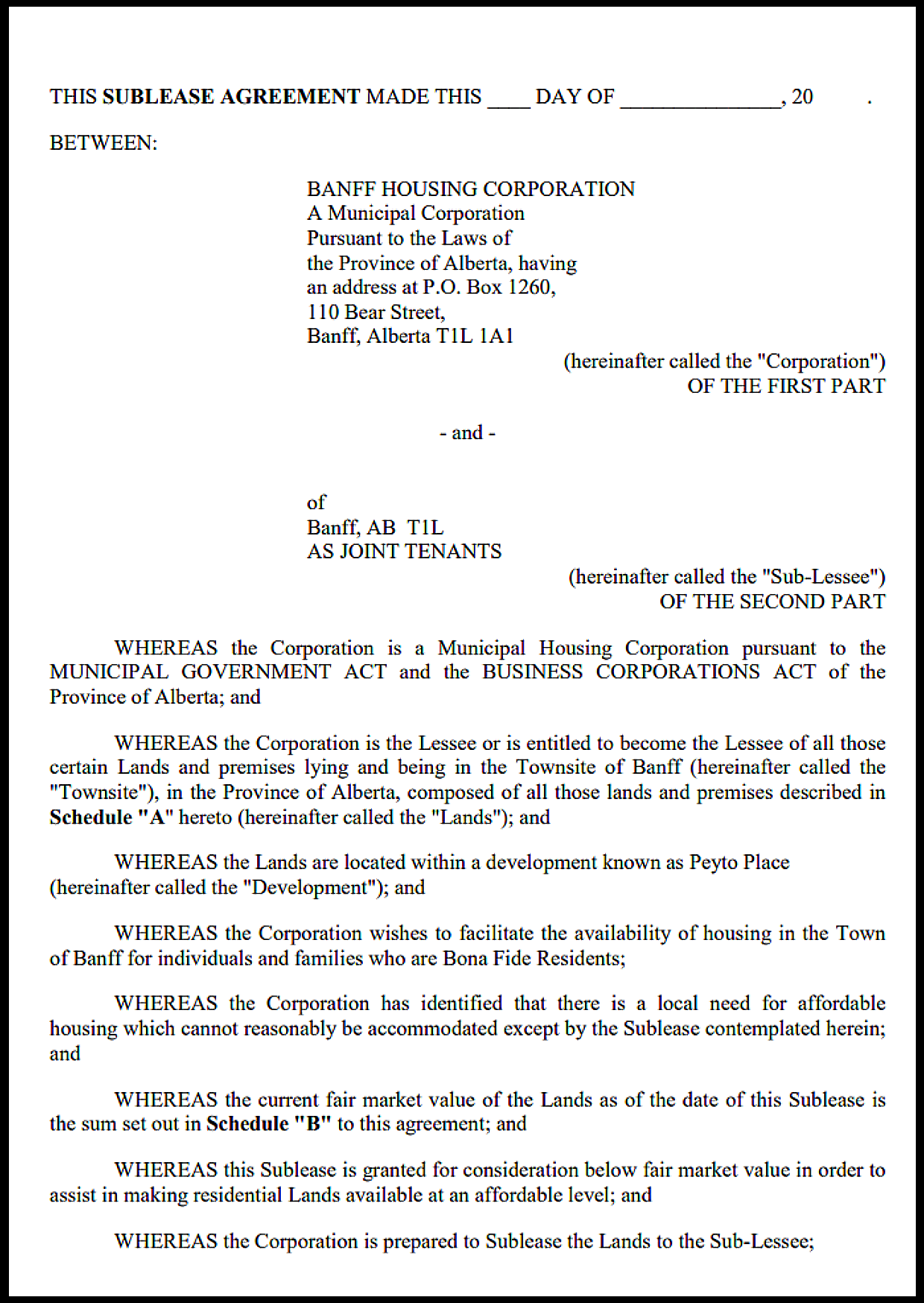
Below is a simple and usable template made for Alberta tenants. You can copy and edit it based on your situation. Make sure you match it with your original lease terms.
Alberta Sublease Agreement Laws and Landlord Consent Rules
| Topic / Issue | Alberta Legal Rule | Governing Statute |
|---|---|---|
| Governing legislation | Alberta residential subleases are governed under provincial tenancy law. | Residential Tenancies Act, SA 2004, c R-17.1 |
| Federal law | Subleasing falls under provincial jurisdiction involving property and civil rights. | Constitution Act, 1867, s. 92 |
| Recent amendments | The Alberta Residential Tenancy Dispute Resolution Service (RTDRS) utilizes a structural tiered filing fee framework ($75 for claims under $7,500; $150 for higher amounts) across all tenancy applications. | RTDRS Operational Restructuring (Effective 2026) |
| Who can sign | The original tenant (sublessor) and the new tenant (sublessee) may sign the agreement. | RTA s. 1(1)(p) & s. 22 |
| Witness requirements | Witnesses are not legally required for a sublease agreement. | No statutory requirement |
| Notarization | Alberta sublease agreements do not require notarization. | No statutory requirement |
| Capacity requirement | Parties must be at least 18 years old and mentally capable of contracting. | Age of Majority Act, RSA 2000, c A-6 |
| Landlord consent deadline | A landlord must respond to a written sublease request within 14 days. | RTA s. 22(3) |
| Recommended witness practice | Witness signatures are recommended to help prevent future disputes about authenticity. | Common law best practice |
| Mandatory statutory statement | Every written residential tenancy agreement must explicitly contain a bold, prominent statement in larger print text clarifying that the tenancy is subject to the RTA and that the Act overrides conflicts. | RTA, s. 3(2) |
| Condominium compliance | Condominium subleases should require compliance with condo corporation bylaws. | Condominium Property Act, s. 53 |
| Filing requirement | Residential subleases are private agreements and normally do not require registration. | No statutory requirement |
| Registration exception | Subleases longer than 3 years may be registered as a caveat against land title. | Land Titles Act, RSA 2000, c L-4 |
| Written landlord consent requirement | A sublease without written landlord consent is not legally valid. | RTA s. 22(1) |
| Unauthorized sublease consequences | Landlords may terminate the original lease and evict unauthorized subtenants. | RTA s. 22(1) |
| Waiving tenant rights | Clauses attempting to remove tenant protections under the RTA are automatically void. | RTA s. 3 |
| Security deposit limit | A sublease security deposit cannot exceed one month’s rent under the original lease. | RTA s. 43(1) |
| Deemed consent rule | If a landlord does not respond to a written request within 14 days, Alberta law treats the silence as consent. | RTA s. 22(3) |
| Consent fee restriction | Landlords are strictly and completely prohibited from charging any structural fee, administrative cost, or penalty for reviewing or granting a sublease. | RTA, s. 22 |
| RTDRS dispute process | Alberta uses the Residential Tenancy Dispute Resolution Service for faster tenancy dispute handling. | RTDRS jurisdiction rules |
One of the most important Alberta rules is the 14-day deemed consent rule. If a tenant properly requests permission to sublease and the landlord does not respond within 14 days, Alberta law treats the silence as approval. Many tenants do not realize this protection exists, and many landlords accidentally lose the ability to refuse simply because they waited too long to respond.
Another major rule involves written landlord consent. A verbal approval is risky because Alberta law specifically requires written consent for a valid sublease. Without it, the landlord may terminate the original lease and remove the subtenant as an unauthorized occupant.
The security deposit rules are also very strict. A subtenant cannot legally be charged more than one month’s rent as a deposit. If a tenant tries to collect an excessive “premium” deposit, that clause becomes unenforceable under Alberta law.
Download the free Alberta Sublease Agreement template to create a clear and legally compliant sublease arrangement.
Understanding Subleasing in Alberta (Rules + Basics)
What Is a Sublease Agreement?
A sublease is when you, as a tenant, allow another person to live in your rented property for a temporary time while your lease is still active. The key point under Alberta law is that your agreement with the landlord does not end.
There are three roles involved in every sublease. The landlord owns the property, the tenant (you) holds the original lease, and the subtenant lives in the property temporarily. Even though the subtenant pays you, you are still responsible for paying the landlord and maintaining the property.
When Should You Use a Sublease Agreement?
Subleasing is common in many everyday situations. It helps avoid breaking a lease and losing money.
You can use it when:
- You are moving temporarily for work or studies
- You are travelling for a few months
- You want help with rent payments
- You are leaving during a fixed period (like summer break)
For example, a student in Edmonton may go home for summer. Instead of paying rent for an empty apartment, they sublease it to another student. This way, their rent is covered, and the lease remains active.
Is Subleasing Legal in Alberta?
Yes, subleasing is legal, but there are strict rules.
Under Alberta law:
- You must take permission from your landlord
- The landlord cannot refuse without a valid reason
- A written agreement is highly recommended
If you sublease without permission, the landlord may take action. This can include ending your lease or even eviction. Also, you will still be responsible for unpaid rent or damages caused by the subtenant.
A sublease agreement allows an existing tenant to rent out the property to another party while maintaining the original lease obligations. This arrangement must be consistent with the primary lease contract.
Key Elements of a Valid Alberta Sublease Agreement
A strong sublease agreement should clearly explain all important details so there is no confusion later.
Parties Involved
You must include the full names and addresses of both the original tenant and the subtenant. This ensures legal clarity and helps in case of disputes.
Property Details
The agreement should clearly mention the full address of the property. You should also include extra details like parking space, storage area, or furniture if they are part of the sublease.
Rent and Payment Terms
Rent details should be written clearly in simple terms. This includes the monthly rent amount, due date, and payment method. Keep in mind that arbitrary late fees are classified as unenforceable penalties under Alberta common law and RTDRS precedents unless they represent direct, proven administrative losses.
Duration of Sublease
The start and end dates must be clearly defined. Under Alberta rules, the sublease period cannot be longer than your original lease.
Security Deposit Rules
In Alberta, the security deposit cannot be more than one month’s rent. You should clearly mention how much deposit is taken and under what conditions it will be returned.
Landlord Consent Clause
This is one of the most important parts. You must confirm that the landlord has given written permission. Without this, your agreement may create legal risks.
Responsibilities & Restrictions
The subtenant must follow all rules from the original lease. This includes respecting neighbors, avoiding illegal activity, and maintaining the property properly.
It is often used in shared housing setups along with a roommate agreement. Payment tracking can still be managed using a rent receipt template.
How to Fill Out the Alberta Sublease Agreement (Step-by-Step)
Filling the agreement is simple if you follow a clear process. First, always speak to your landlord and get written permission. This step protects you legally and avoids future issues.
Next, carefully review your original lease and copy important terms into the sublease. This ensures the subtenant follows the same rules you agreed to.
After that, set rent, deposit, and payment method clearly. Avoid leaving anything unclear. Then define the start and end dates properly so there is no overlap or confusion.
Finally, both you and the subtenant should sign the agreement and keep copies. This document becomes your proof if any issue happens later.
Sublease vs Assignment (Don’t Confuse These)
Many tenants think sublease and assignment are the same, but they are completely different in legal terms.
| Feature | Sublease | Assignment |
| Lease ownership | Tenant keeps lease |
Lease fully transferred
|
| Responsibility | Tenant remains responsible |
New tenant becomes responsible
|
| Duration | Temporary | Permanent |
| Control | Tenant still involved |
Tenant exits agreement
|
In a sublease, you are still connected to the lease and responsible for everything. In an assignment, you transfer all responsibilities to a new tenant and step out completely.
Common Mistakes to Avoid
Many tenants make small mistakes that later turn into big problems. One of the biggest mistakes is subleasing without landlord permission. This alone can lead to serious legal issues.
Other common mistakes include:
- Not using a written agreement
- Taking a deposit higher than allowed
- Not checking the subtenant’s background
- Ignoring original lease rules
Even a simple mistake like unclear rent terms can cause disputes later.
Legal Risks of Subleasing Without Permission
Subleasing without approval is risky and can lead to serious consequences. Under Alberta law, the landlord has the right to take action if you break lease terms.
Here are some possible risks:
| Risk Type |
What Can Happen
|
| Lease termination |
Landlord may end your lease
|
| Eviction |
You and subtenant may be forced to leave
|
| Financial loss |
You must still pay rent if subtenant fails
|
| Property damage |
You pay for damages caused by subtenant
|
Even if the subtenant stops paying rent or damages the property, the landlord will hold you responsible, not them.
Real-Life Example
Imagine a tenant living in Calgary who gets a 3-month work opportunity in another city. Instead of ending the lease, they decide to sublease the apartment.
In a safe situation, the tenant informs the landlord, gets written approval, and signs a proper sublease agreement. They also check the subtenant’s background. Everything goes smoothly, and they return without any issues.
In a risky situation, the tenant skips permission and makes a verbal deal. The landlord later finds out, and this can lead to eviction or lease termination. This shows how important it is to follow the correct process.
FAQs About Alberta Sublease Agreement
Do I need landlord permission to sublease in Alberta?
Yes, landlord permission is required. Without it, you may break your lease terms and face legal action.
Can I charge higher rent to a subtenant?
You should keep rent reasonable and fair. Charging too much can create disputes and may not be acceptable in some cases.
Who is responsible for damages?
The original tenant is responsible to the landlord. Even if the subtenant causes damage, you will have to cover it.
Can a landlord refuse subleasing?
Yes, but they must have a valid reason. They cannot refuse without proper justification.
Is a verbal sublease agreement valid?
It may be accepted in some cases, but it is risky. A written agreement is always safer and provides proof if any problem arises.