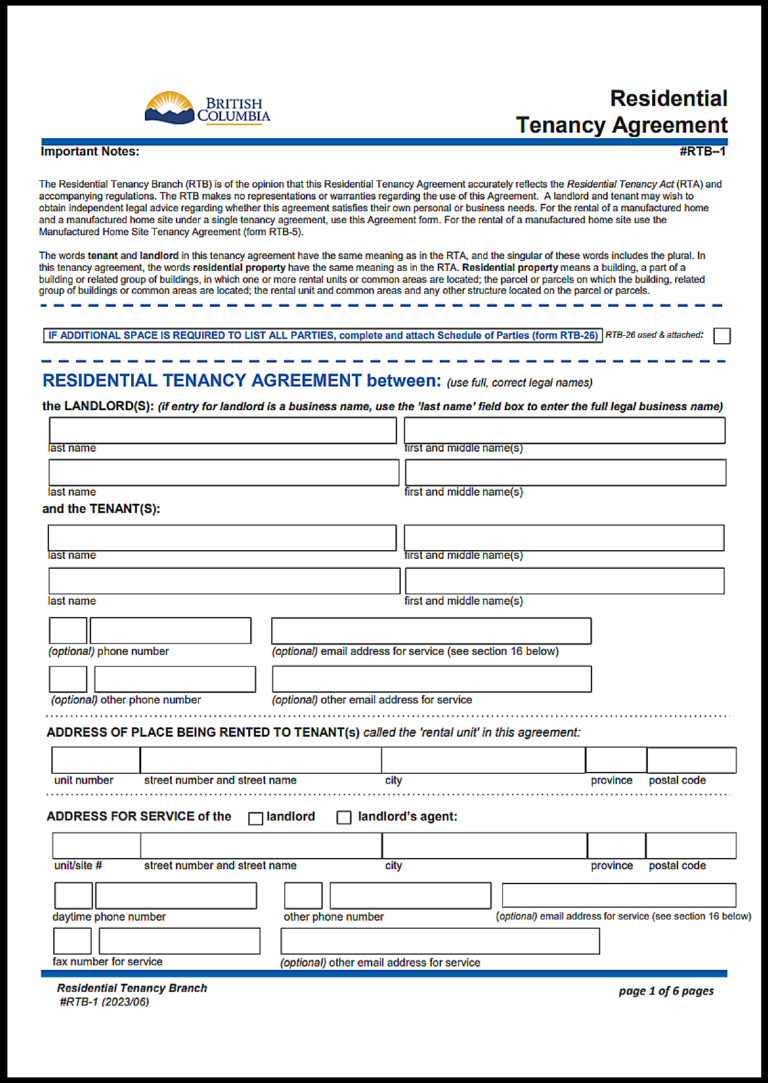
Ontario Basement Rental Agreement: Laws, Rules & Free Template
Ontario Basement Rental Agreement is a simple legal document used when renting out a basement unit in a home. This is very common in cities like Toronto and Brampton, where homeowners rent basements to students, families, or newcomers.
Renting a basement is not the same as renting a full house. You often share utilities, parking, or even walls with the landlord. That’s why having a clear written agreement is very important.
I’ve seen basement rental disputes in Ontario turn ugly very quickly when people rely on verbal promises about things like utilities, guest access, or shared spaces. When tenants or landlords come to me after problems start, it’s usually because nobody clearly wrote down the rules from the beginning.
This article will help you:
- Use a free basement rental agreement template
- Understand Ontario laws (RTA rules)
- Avoid common landlord and tenant mistakes
Last Updated: September 2026
Free Ontario Basement Rental Agreement Template
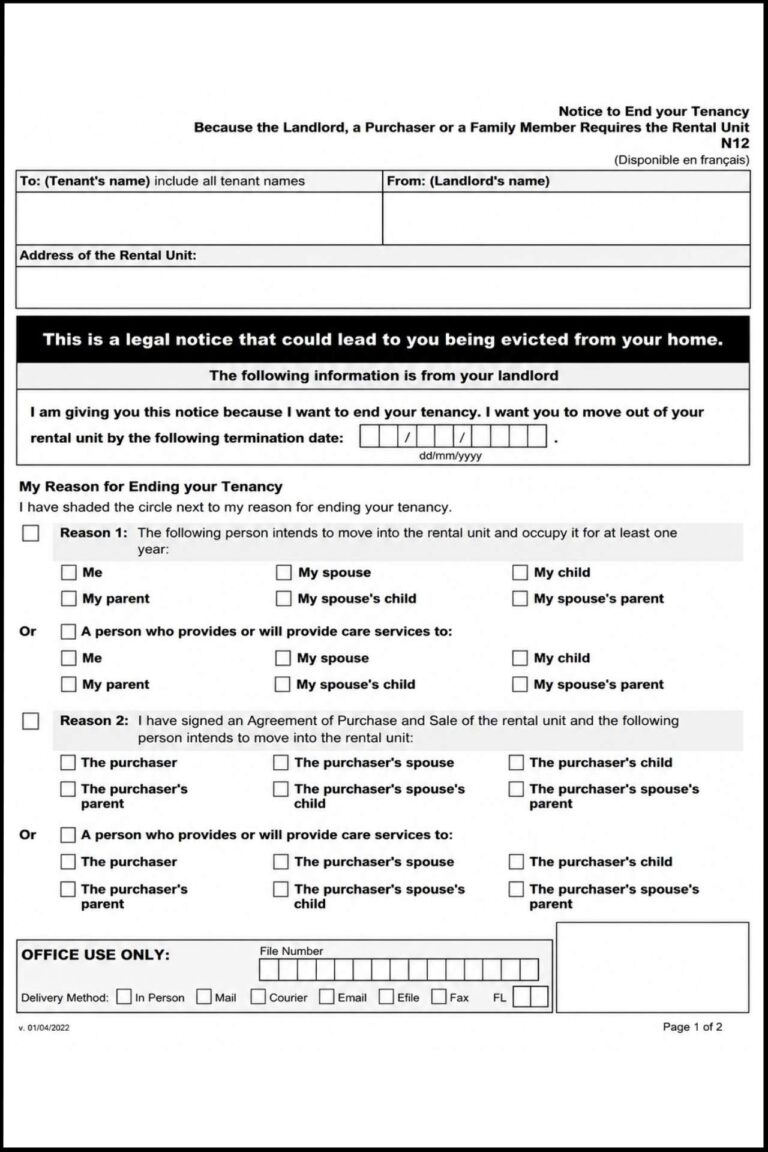
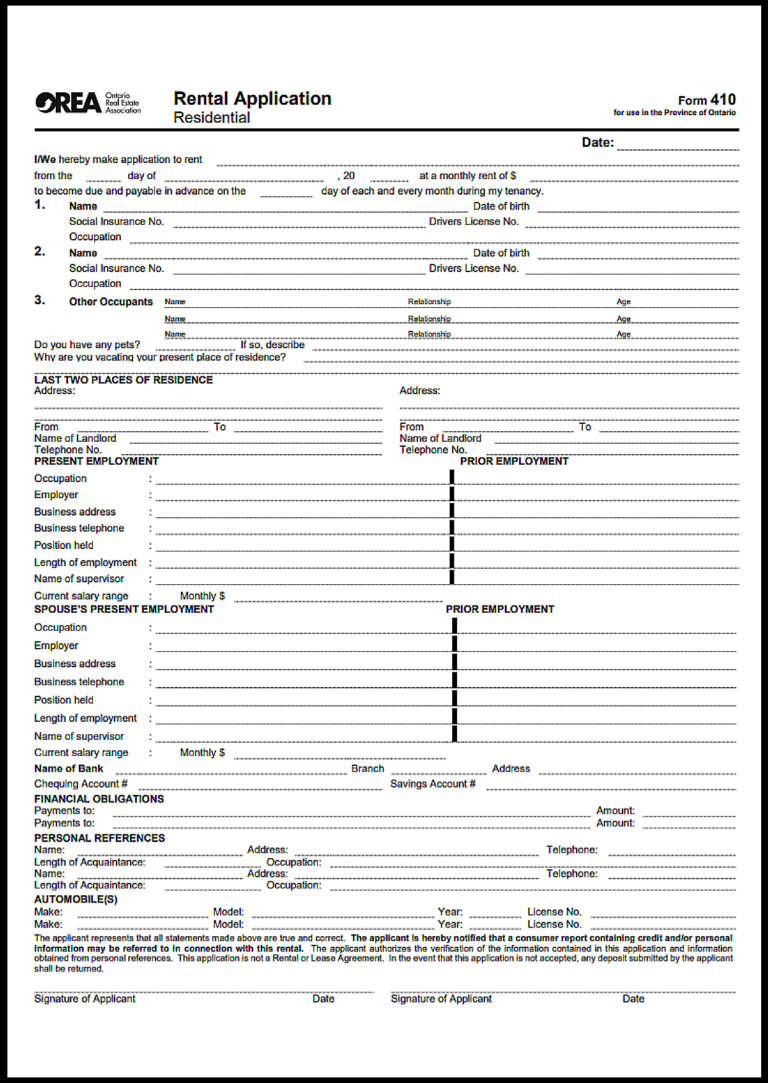
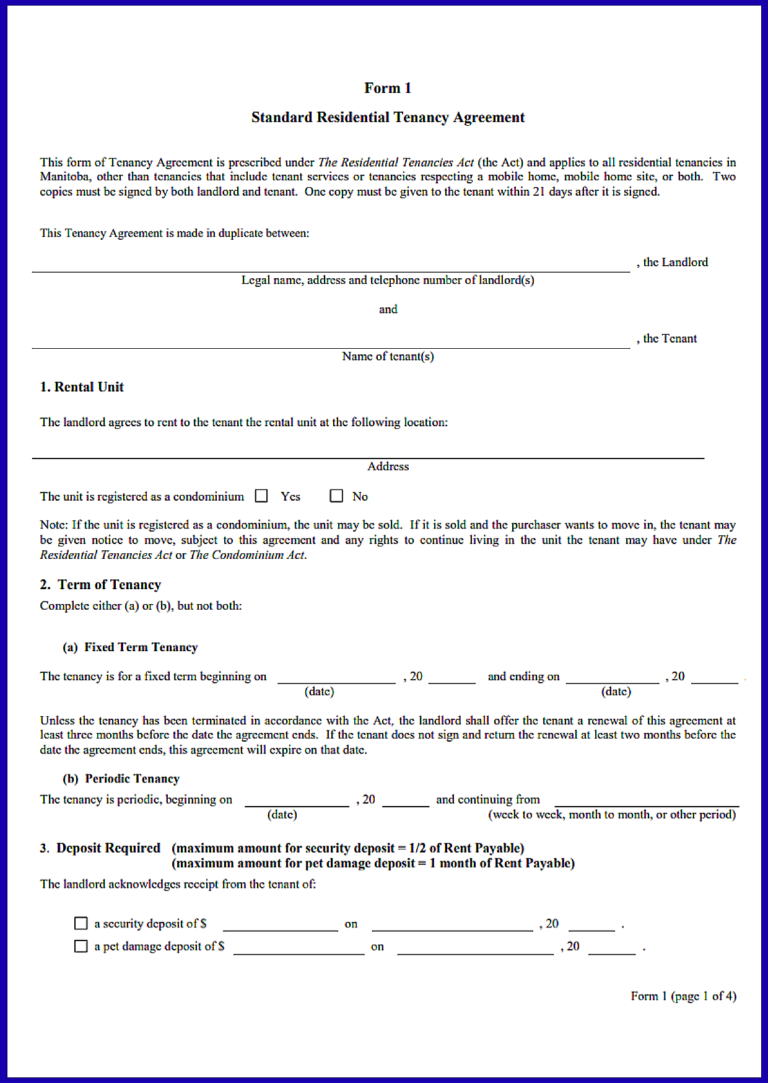
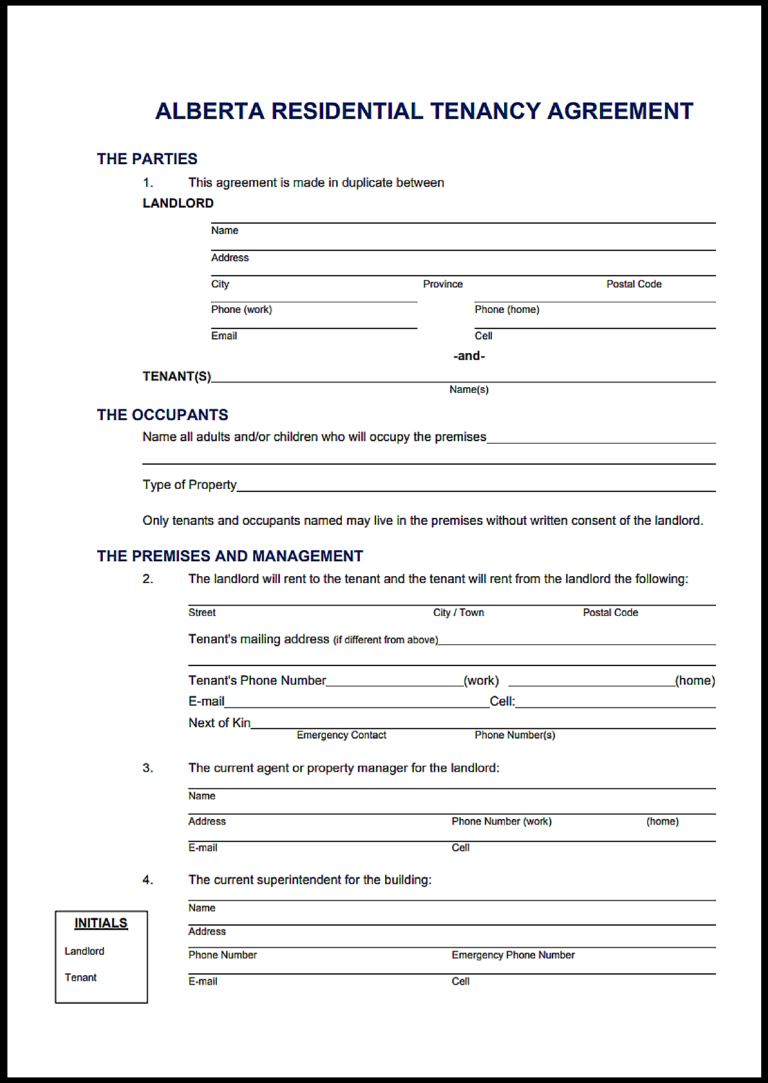
Use this simple template for your basement rental. You can copy, edit, and print it.
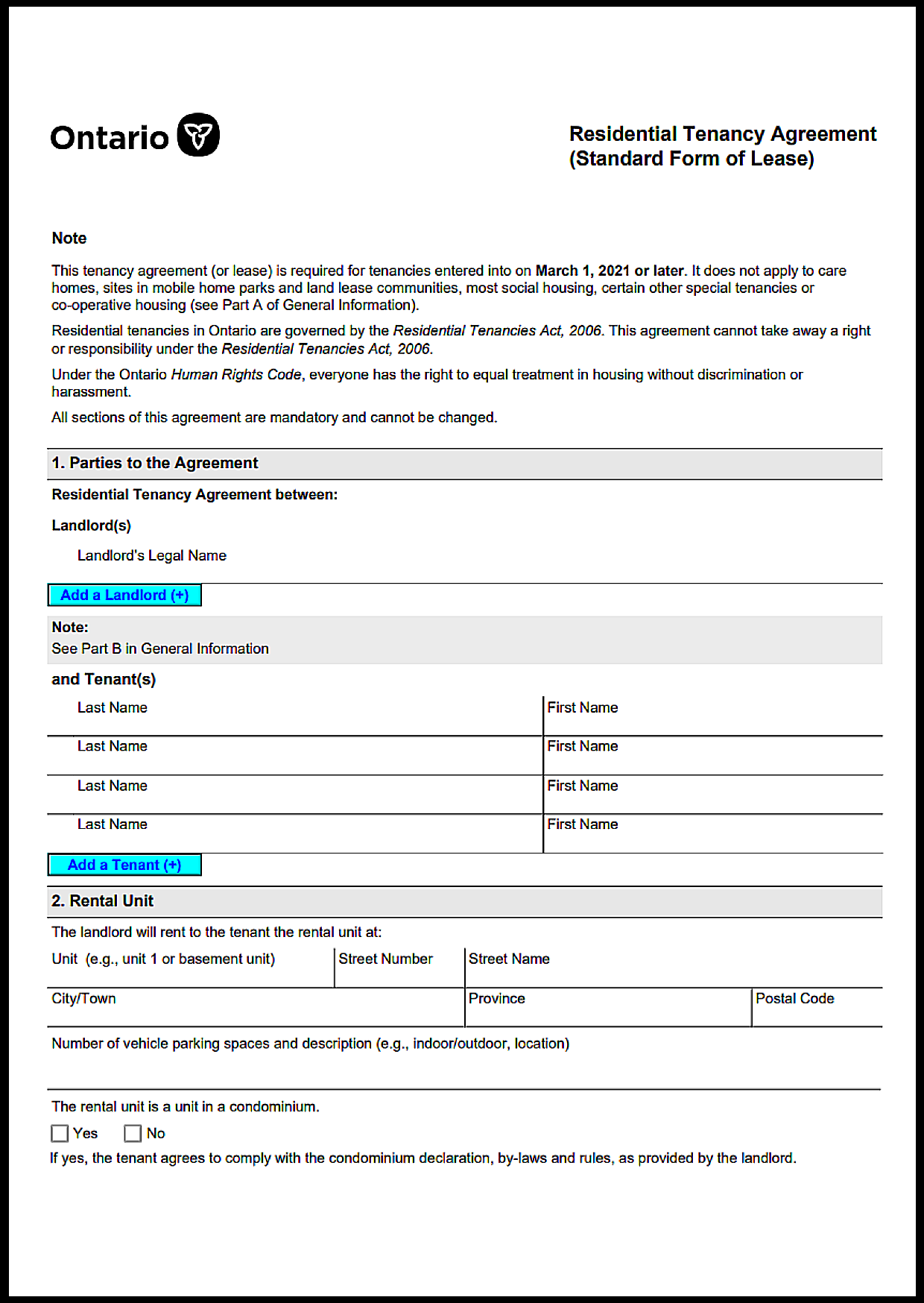
Tip: Always keep a signed copy. Verbal agreements can cause serious disputes later.
Ontario Basement Rental Laws Every Landlord and Tenant Should Know
| Topic / Issue | Ontario Legal Rule | Governing Statute |
|---|---|---|
| Governing legislation | Most residential basement rentals that fall within the Act are governed by Ontario’s Residential Tenancies Act, 2006 (RTA) and its regulations. | Residential Tenancies Act, 2006, S.O. 2006, c. 17 |
| Federal involvement | Residential tenancy rules are primarily provincial in Ontario, although federal laws can apply to particular issues that fall within federal jurisdiction. | Constitution Act, 1867 |
| Jurisdiction | Residential tenancy law is primarily governed provincially in Ontario. | Residential Tenancies Act, 2006 |
| Recent amendments | The RTA has been amended by legislation including Bill 97 (Helping Homebuyers, Protecting Tenants Act, 2023) and Bill 60 (Fighting Delays, Building Faster Act, 2025), with some changes taking effect in 2026. Most covered residential tenancy agreements must use Ontario’s prescribed Standard Form of Lease. | Residential Tenancies Act, 2006; O. Reg. 9/18 |
| Who can sign | The landlord and tenant, or their properly authorized representatives, should sign the tenancy agreement, subject to applicable rules concerning contractual capacity and authority. | Applicable Ontario contract and capacity law |
| Witness requirements | An ordinary Ontario residential tenancy agreement does not generally require a separate witness signature. | N/A |
| Notarization | An ordinary Ontario residential tenancy agreement does not generally need to be notarized. | N/A |
| Age requirement | A person who is 18 or older is presumed to be capable of entering into a contract under Ontario’s Substitute Decisions Act, 1992. | Substitute Decisions Act, 1992 |
| Mental capacity | Ontario law establishes a presumption of contractual capacity for persons who are 18 or older, subject to the applicable rules concerning capacity. | Substitute Decisions Act, 1992 |
| Deadline for signed copy | The landlord must provide the tenant with a copy of the tenancy agreement signed by the landlord within 21 days after the tenant signs and gives the agreement to the landlord. | RTA, s. 12 |
| Mandatory lease form | Ontario requires most residential tenancy agreements signed on or after April 30, 2018 to use the prescribed Standard Form of Lease, subject to statutory and regulatory exemptions. | RTA, s. 12.1; O. Reg. 9/18 |
| Required lease content | The prescribed Standard Form of Lease sets out required information about the parties, rental unit, rent, services and utilities, deposits, term, maintenance, additional terms and other tenancy details. | O. Reg. 9/18: Tenancy Agreements |
| Filing requirement | An ordinary residential basement tenancy agreement does not generally have to be filed or registered with the government or the LTB. | N/A |
| Dispute authority | Many disputes involving RTA-covered basement rentals are handled by the Landlord and Tenant Board, but the LTB may not have jurisdiction where a statutory exemption applies. | Residential Tenancies Act, 2006 |
| Shared kitchen or bathroom exemption | The RTA does not apply where the occupant is required to share a kitchen or bathroom with the owner, the owner’s spouse, child or parent, or the spouse’s child or parent, and the applicable owner or family member lives in the building. | RTA, s. 5(i) |
| Illegal lease clauses | Subject to the Act’s exceptions, a tenancy-agreement provision that is inconsistent with the RTA or its regulations is void. | RTA, s. 4 |
| Failure to provide standard lease | A tenant may have statutory remedies if the landlord fails to provide the required Standard Form of Lease after a written demand, subject to the conditions and limits in section 12.1 of the RTA. | RTA, s. 12.1 |
| No-pets clauses | A provision in an Ontario residential tenancy agreement that prohibits animals is generally void under section 14 of the RTA, although other applicable rules may still restrict pets in some buildings. | RTA, s. 14 |
| Damage deposit restrictions | Ontario landlords cannot require a damage or pet deposit as security. A permitted rent deposit and a compliant refundable key deposit are treated separately under the RTA. | RTA, ss. 105–106 |
Ontario’s pet rule can surprise landlords because a tenancy-agreement provision that prohibits animals is generally void under section 14 of the RTA. The Standard Form of Lease is another important requirement: Ontario requires the prescribed form for most covered residential tenancy agreements, subject to statutory exemptions.
The shared kitchen or bathroom exemption is important because section 5(i) can remove a tenancy from the RTA when its specific statutory conditions are met. If the exemption applies, the tenant does not receive the RTA’s usual statutory protections or LTB process. The exact living arrangement therefore matters before deciding which rules apply.
Before renting the basement, use the template to record the rent, utilities, shared spaces, parking, maintenance responsibilities and other agreed terms clearly.
What Is a Basement Rental Agreement in Ontario?
A basement rental agreement is a legal contract for renting part of a house, usually the basement unit.
It is different from a full property lease because:
- The landlord may live upstairs
- Some spaces may be shared
- Utilities may be split
Example
A homeowner rents their basement to a student. The student has a separate entrance but shares laundry. This situation needs clear rules in writing.
Is Basement Rental Legal in Ontario?
A basement rental is subject to applicable building, fire, electrical, zoning and municipal requirements, but those compliance questions are separate from determining whether the RTA applies to the tenancy.
Under Ontario law, basement rentals must follow:
- Provincial housing rules
- Local city bylaws
Key Legal Requirements
- Fire safety, including applicable smoke-alarm and exit requirements
- Safe electrical and plumbing systems
- Applicable building-code requirements for the proposed use and layout
- Proper ventilation where required
Municipal requirements can differ by location, so the landlord should check the applicable local zoning, property-standards and building requirements before renting the unit. A compliance problem does not by itself determine whether the tenancy agreement or the RTA applies.
Does Ontario Law Apply to Basement Rentals?
A self-contained basement unit will often fall within the RTA, provided no statutory exemption applies.
When RTA Applies
- The basement is a self-contained unit
- It has its own kitchen and bathroom
Having a separate kitchen and bathroom is relevant, but it is not the only factor that determines RTA coverage.
Certain new buildings, additions and most new basement apartments first occupied for residential purposes after November 15, 2018 are exempt from the rent increase guideline, subject to the statutory requirements. The landlord must still follow the applicable notice and form requirements for a rent increase.
When RTA May NOT Apply
- Tenant shares a kitchen or bathroom with the qualifying owner or family member described in section 5(i)
In this case:
- Different rules apply
- The RTA and LTB process may not apply
The exact circumstances of the shared living arrangement should be checked before assuming that the RTA does not apply.
Quick Comparison
| Situation | RTA Applies? |
Tenant Protection
|
| Separate basement unit | Often yes, if no exemption applies |
RTA protections generally apply
|
| Shared kitchen with qualifying owner/family member | RTA may not apply |
Different legal rules apply
|
| Basement with unresolved code or municipal issues | Legal compliance risk |
RTA coverage depends on the facts and applicable exemptions
|
Key Clauses You Must Include
Private vs Shared Access
Clearly state:
- Separate entrance OR shared entry
- Security expectations
This avoids privacy disputes later.
Utilities Split Agreement
If the tenant will pay a portion of a utility cost, state the responsibility clearly and make sure any apportionment complies with the RTA and O. Reg. 394/10 where those rules apply.
Since July 1, 2026, section 36.1 of the RTA generally permits a tenant to install and use a window or portable air conditioner when the landlord does not supply air conditioning, subject to statutory conditions. If the landlord is required under the tenancy agreement to supply electricity, a rent increase may be permitted up to the actual electricity cost or a reasonable estimate where the actual cost cannot be established.
Noise & Lifestyle Rules
Basement tenants often face noise from upstairs.
Include:
- Reasonable quiet-hour rules, provided they do not conflict with the RTA or other applicable law
- Music or party rules
Parking & Laundry Use
If shared:
- Set schedules for laundry
- Define parking spot clearly
Guest & Occupancy Limits
If occupancy limits are relevant, state the permitted occupants clearly while ensuring the term complies with the RTA and applicable municipal rules.
- Number of allowed occupants
- Guest stay limits
How to Fill Out the Basement Rental Agreement (Step-by-Step)
Follow these simple steps:
Step 1: Enter full legal names
Use the exact legal names of the parties.
Step 2: Describe the basement unit clearly
Mention entrance, rooms, and shared areas.
Step 3: Define rent + utilities
Write the exact amount and payment method.
Step 4: Add house rules
Important when living in the same house.
Step 5: Sign and keep copies
All landlords and tenants listed in the agreement should sign the required signature section.
Important: Written agreements are always safer than verbal promises.
The Ontario Standard Form of Lease states that all listed landlords and tenants must sign the agreement, and the landlord must provide the tenant with a copy within 21 days after the tenant signs it.
Common Mistakes Landlords Make (Avoid These)
Many landlords make these errors:
- Renting an illegal or non-compliant basement unit
- No written utility agreement
- Ignoring tenant privacy
- Not following RTA rules
- Mixing personal rules with legal terms
For an RTA-covered tenancy, a landlord generally must give at least 24 hours’ written notice of entry, stating the reason, date and time of entry, with entry scheduled between 8:00 a.m. and 8:00 p.m., subject to the exceptions in section 27. If an LTB document is served by mail or courier, the current LTB Rules contain separate deemed-service rules that determine when the document is considered served.
Common Tenant Issues in Basement Rentals
Tenants often face:
- Noise from upstairs
- Poor ventilation or low light
- Conflicts over shared spaces
- Sudden rent increase requests
Real Example
A tenant in Brampton rented a basement without a written agreement. Later, the landlord increased rent suddenly and restricted laundry access. Without a written contract, resolving the issue became difficult.
Basement Rental vs Room Rental
| Feature | Basement Rental | Room Rental |
| Privacy | High | Low |
| Kitchen | Usually private | Shared |
| RTA Coverage | Often applies | May not apply |
| Living Setup | Separate unit | Shared home |
A basement rental may operate as a separate residential unit, while a room rental may involve shared facilities. The RTA analysis depends on the actual living arrangement and whether a statutory exemption applies.
When renting out part of a home, this basement rental agreement should align with the Ontario lease agreement. It is essential to follow provincial rental laws and understand tenant rights. Additional documents like a roommate agreement and rent receipt may also be needed.
When This Agreement May Not Be Valid
The agreement may require additional legal review if:
- Basement unit has unresolved building, fire, zoning or municipal compliance issues
- It violates applicable local bylaws
- Tenant shares a kitchen or bathroom with a qualifying owner or family member and the RTA exemption may apply
- Important clauses are missing
A basement that does not comply with applicable building or municipal requirements can create significant legal and practical problems, but non-compliance does not by itself determine whether the tenancy agreement or the RTA applies.
FAQs
Can I rent out my basement without registering it?
An ordinary residential basement tenancy agreement does not generally have to be filed or registered with the government or the LTB. However, the landlord still needs to comply with applicable municipal zoning, building, fire and property requirements before renting the unit.
Can landlord enter basement anytime?
No. For an RTA-covered tenancy, a landlord generally must give at least 24 hours’ written notice before entering, stating the reason, date and time, and entry must generally occur between 8:00 a.m. and 8:00 p.m. Section 27 contains exceptions, including emergencies and certain other circumstances.
Are utilities required to be included?
No. They can be:
- Included
- Shared
- Paid separately
But the responsibility for utilities should be clearly written in the agreement and comply with applicable RTA and regulatory requirements.
Can rent be increased anytime?
No. If the RTA applies:
- For most units, at least 12 months must generally have passed since the last increase or since the tenancy began
- The landlord must generally give at least 90 days’ written notice in the proper form
- The rent increase guideline generally applies unless the unit is exempt or an above-guideline increase is approved
Certain new buildings, additions and most new basement apartments first occupied for residential purposes after November 15, 2018 are exempt from the rent increase guideline, subject to the applicable requirements.
What if there is no written agreement?
A tenancy agreement can be written, oral or implied under the RTA, but most covered residential tenancies are subject to the Standard Form of Lease requirement. A written agreement also makes the agreed terms much easier to prove.