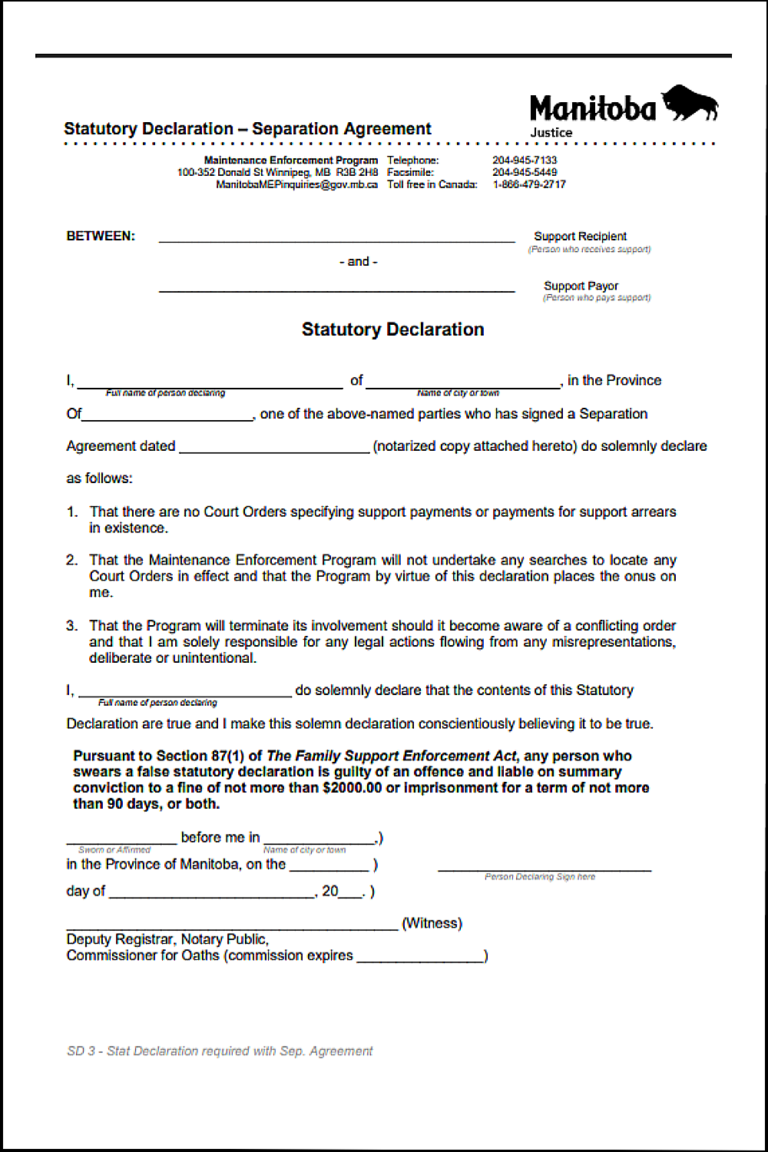
Ontario Living Will (Free PDF Template, Guide)
Ontario Living Will is a document where you write your medical wishes for the future. It is used if you cannot speak or make decisions for yourself. This helps doctors and your family understand what kind of treatment you want.
I have seen families in Ontario end up in painful disputes because a person’s treatment wishes were only discussed verbally and never written down clearly. I always tell clients that even a simple document can make an enormous difference when doctors or substitute decision-makers are forced to make urgent medical decisions under Ontario’s consent laws.
In Ontario, a living will is not always a separate legal document. It is usually included in a Power of Attorney for Personal Care. Many people also call it an “advance directive,” but this is just an informal name.
This article will help you understand how to use a template, what types exist, when you need it, and how the law works in Ontario.
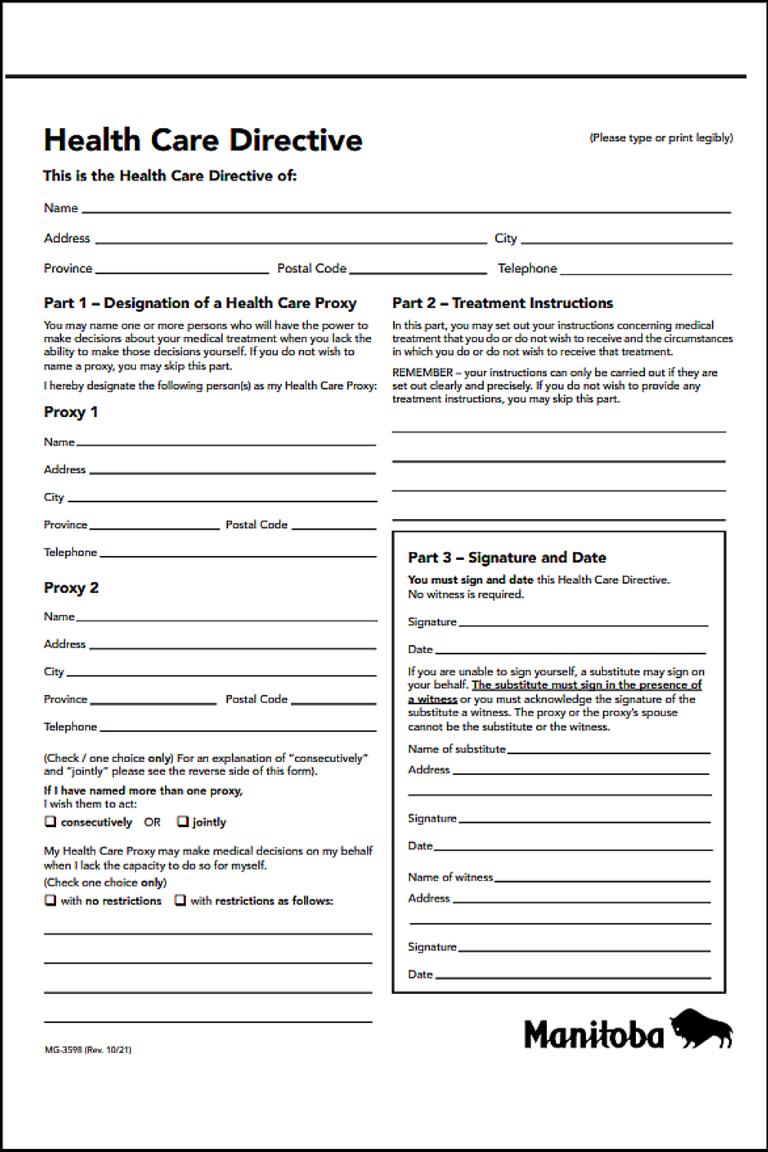
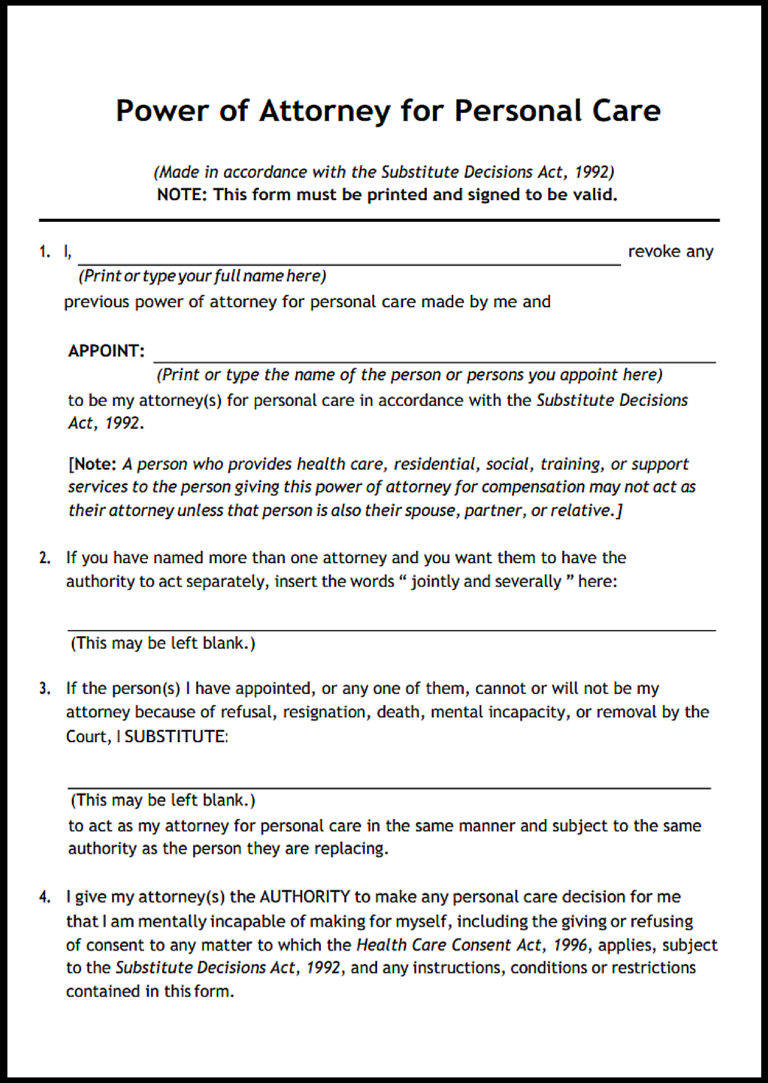
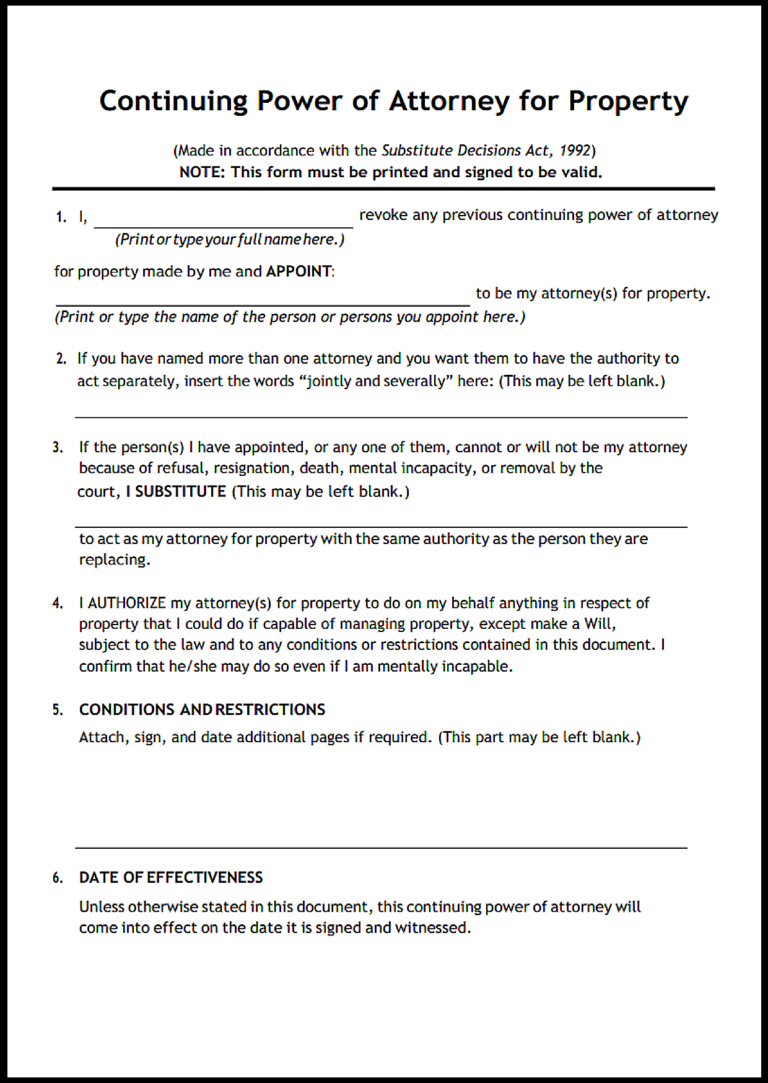
Free Ontario Living Will Template
Below is a simple and practical template that works for most people. It covers basic treatment decisions, life support, and end-of-life care.
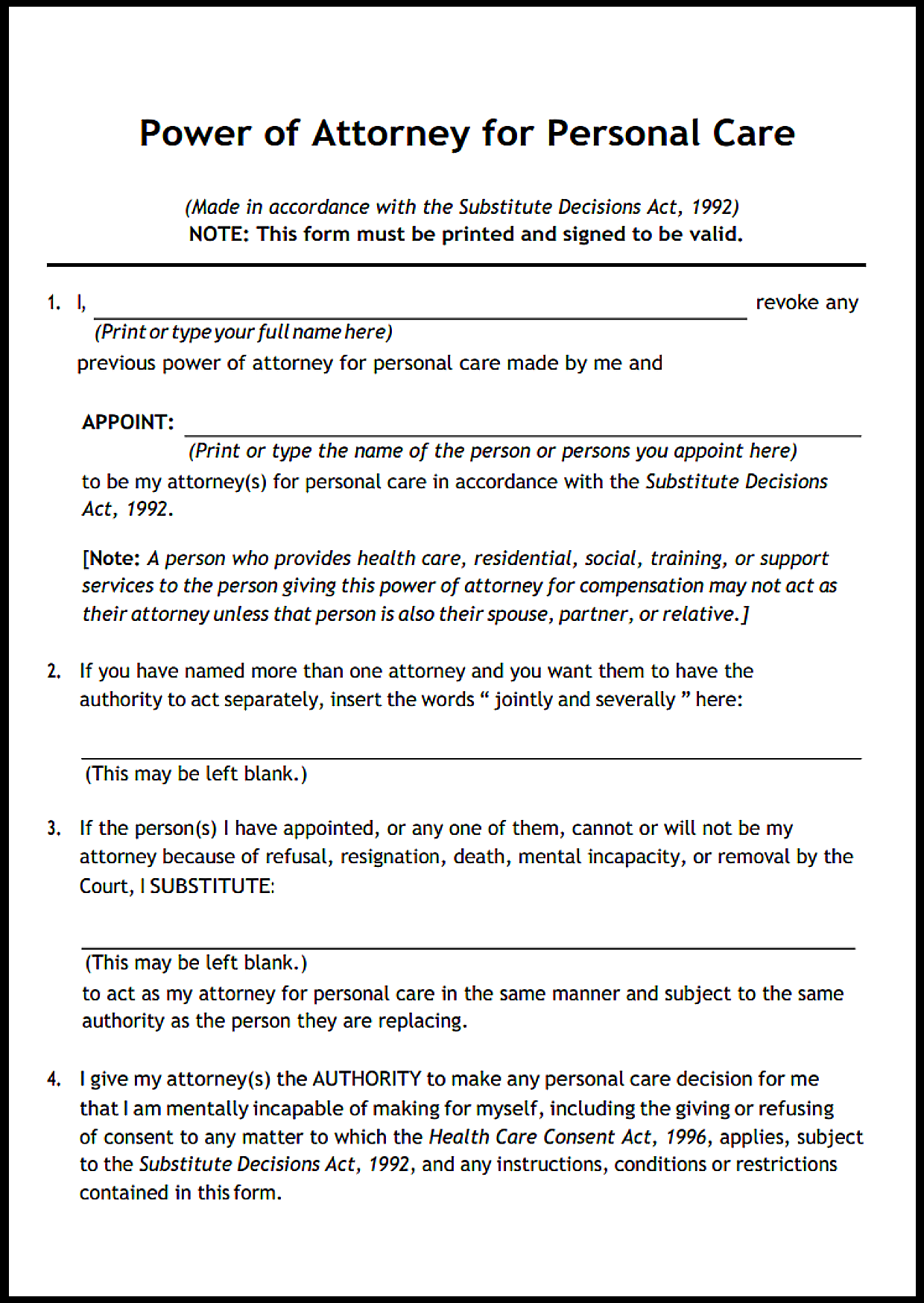
Ontario Living Will Rules, Witness Requirements, and Legal Validity
| Topic / Issue | Ontario Legal Rule | Governing Statute |
|---|---|---|
| Primary governing law | Ontario Living Wills and related personal care authority documents are governed under Ontario substitute decision-making and healthcare consent laws. | Substitute Decisions Act, 1992, S.O. 1992, c. 30 |
| Health care consent authority | Ontario healthcare practitioners must follow valid prior wishes and consent rules. | Health Care Consent Act, 1996, S.O. 1996, c. 2, Sched. A |
| Federal law involvement | No federal law governs Ontario Living Wills. | Provincial jurisdiction only |
| Recent amendment | Virtual witnessing is permanently legal under s. 48.1 of the Substitute Decisions Act. The signing must occur via real-time audio-visual communication, and at least one witness must be an active licensee of the Law Society of Ontario. | s. 48.1 of the Substitute Decisions Act |
| Who can sign | Any individual meeting Ontario’s age and mental capacity requirements may sign the document. | SDA, s. 47 |
| Witness requirements | Two witnesses must sign in the presence of the Grantor. | SDA, s. 48(1) |
| Disqualified witnesses | The Attorney, their spouse/partner, the Grantor’s spouse/partner, the Grantor’s child, and anyone under 18 cannot act as witnesses. | SDA, s. 48(3) |
| Notarization requirement | Notarization is not legally required for validity in Ontario. | Common law principles |
| Minimum age requirement | The Grantor must be at least 16 years old. | SDA, s. 47(1) |
| Mental capacity requirement | Under s. 47(1) of the Substitute Decisions Act, the statutory test requires the grantor to have the capacity to understand if the proposed attorney has a genuine concern for their welfare, and to appreciate that they may need this person to make choices for them | SDA, s. 47(1) |
| Expiry rules | The document remains valid until revoked or until the Grantor dies. | SDA, s. 53 |
| Required intent language | The document must clearly authorize the attorney to make personal care decisions on the Grantor’s behalf. | SDA, s. 46(1) |
| Healthcare wishes rule | Under s. 21(1) of the Health Care Consent Act, a substitute decision-maker (SDM) is legally compelled to honor any prior applicable health wishes expressed by the patient while capable and after turning 16. | HCCA, s. 21(1) |
| Filing requirement | Ontario does not require filing or registration of Living Wills or Powers of Attorney. | Ontario private contract rules |
| Storage recommendation | Copies should be shared with the Attorney, family members, and the Grantor’s doctor. | Ontario practice guidance |
| Improper witnessing | The document may become invalid if signed before prohibited witnesses. | SDA, s. 48(3) |
| Contemporaneous signing rule | The Grantor and witnesses must sign in each other’s presence physically or under Ontario’s virtual witnessing rules. | SDA, s. 48(1) |
| Mental incapacity at signing | The document may be invalid if the Grantor lacked legal mental capacity at signing. | SDA, s. 47(1) |
| Ontario minimum age difference | Ontario allows a Power of Attorney for Personal Care starting at age 16, unlike provinces requiring age 18 or 19. | SDA, s. 47 |
| Ontario “Living Will” difference | Ontario does not formally recognize a standalone “Living Will” that grants authority. Instructions become legally enforceable mainly through a Power of Attorney for Personal Care. | HCCA, s. 5 |
One of the most important Ontario rules is that a Living Will by itself does not automatically give decision-making authority to another person. In Ontario, your written medical wishes usually work best when combined with a Power of Attorney for Personal Care. Many people mistakenly assume a simple written note is enough, but healthcare providers often need a legally appointed decision-maker to apply those wishes properly.
Another major rule involves witnesses. Ontario law specifically bans certain people from witnessing the document, including your attorney, your child, and anyone under 18. Families commonly overlook this requirement when signing documents informally at home. If the witnessing rules are broken, the document can become legally unreliable during a medical emergency.
Ontario also allows these documents to be created at age 16, which is younger than many other provinces. These rules matter in real-life situations because unclear or improperly signed documents can create treatment delays, hospital disputes, and emotional conflicts between family members during critical healthcare decisions. Download the free Ontario Living Will template below to create a document that properly follows Ontario legal requirements.
What Is an Ontario Living Will?
A living will is a simple written document that explains your medical care choices. It becomes important when you are not able to communicate due to illness, injury, or mental incapacity.
In real life, this can happen during a serious accident, surgery complications, or old age. In such situations, doctors need clear instructions, and your family should not be left guessing.
Under Ontario law, your previously expressed wishes must be followed if they are clear and applicable. This is why writing them properly is very important.
In most estate planning situations, people include their living will inside a Power of Attorney for Personal Care. This allows a trusted person to make decisions based on your wishes.
Understanding how a living will works in Ontario is essential when planning future medical decisions. This guide explains the structure and legal purpose of these documents, while also connecting with related forms like the personal directive used for healthcare instructions. You can also explore how this document compares to other estate tools through the difference between living wills and power of attorney.
Types of Living Will Arrangements in Ontario
Not all living wills are the same. The type you choose depends on how much control and detail you want in your planning.
Basic Living Will (General Medical Wishes)
This is the simplest option. It includes general instructions about your medical care. It is useful for people who want a quick and easy way to state their wishes without going into too much detail.
Living Will Within Power of Attorney for Personal Care
This is the most common option in Ontario. It combines your written wishes with a legally appointed decision-maker. This person can speak for you and make decisions when needed.
This option gives both clarity and flexibility, which is why most legal professionals recommend it.
End-of-Life Directive (Life Support Decisions)
This type focuses only on life-prolonging treatments such as ventilators, CPR, and feeding tubes. It is useful for people who want very clear instructions about life support.
Mental Health Care Directive
This type is used for psychiatric treatment planning. It allows you to accept or refuse certain treatments in advance. It is especially helpful for individuals with ongoing mental health conditions.
Detailed Advance Care Plan (Expanded Version)
This is a more detailed version of a living will. It includes your personal values, beliefs, and long-term care goals. It is suitable for people with complex medical conditions or strong personal preferences.
Real-Life Situations Where a Living Will Helps
A living will becomes important in real-life situations where quick decisions are needed but you are unable to communicate.
For example, in a serious accident, doctors may need immediate guidance about life-saving treatment. In a terminal illness, it helps decide whether to continue life support or focus on comfort care.
It is also very useful in old age planning, where families often struggle to make decisions. A clear document reduces confusion and emotional stress.
In mental health situations, it ensures that your treatment preferences are respected even during a crisis.
Overall, a living will:
- Reduces family conflict
- Gives clear direction to doctors
- Protects your personal wishes
A living will is often part of a broader estate planning process. Many individuals also prepare documents such as an advance care directive for long-term medical planning, which helps outline treatment preferences in more detail. These documents work together to ensure your intentions are clear under Ontario law.
Key Elements of a Valid Living Will in Ontario
To be effective, a living will must be clear and properly prepared. Under Ontario law, unclear or vague instructions may not be followed.
Clear Medical Instructions
You should clearly state what treatments you want or refuse. Avoid vague language because it can create confusion during emergencies.
Consent and Refusal Statements
It is important to mention both acceptance and refusal of treatments. This includes life-saving care, CPR, and pain management decisions.
Personal Values and Wishes
Your beliefs and values help guide decisions when situations are not clearly covered. This gives better direction to doctors and your decision-maker.
Naming a Substitute Decision-Maker
Although optional, it is strongly recommended. A Power of Attorney allows someone you trust to make decisions based on your wishes.
Signature and Witness Requirements
You must sign the document, and it should be witnessed properly. This helps ensure that your document is accepted and followed.
How to Create an Ontario Living Will?
Creating a living will is not complicated if you follow a simple process. You just need to be clear and careful while writing your wishes.
First, think about your medical preferences and what matters most to you. Then decide if you want someone to act on your behalf.
After that, use a trusted template and fill in your details clearly. Make sure there is no confusion in your instructions.
Finally, sign the document with a witness and share copies with your family and doctor. This step is very important because a document is only useful if people know about it.
Legal Overview in Ontario (What You Should Know)
Many people think a living will is a separate legal document, but this is not correct in Ontario.
Here is a simple table to understand the legal framework:
| Topic | Explanation |
| Legal Status |
Not a separate legal document
|
| Governing Law | |
| Health Decisions |
Health Care Consent Act
|
| Doctor’s Role |
Must follow valid prior wishes
|
| Decision-Maker Role |
Must act based on your wishes
|
Under Ontario law, if someone becomes incapable, their prior wishes must be respected. A substitute decision-maker cannot ignore those wishes.
Common Mistakes to Avoid
- Many people make small mistakes that can create big problems later. One common mistake is writing unclear instructions like “no extreme care” without explaining what that means.
- Another issue is not updating the document after major life changes such as marriage, illness, or aging.
- Some people also forget to inform their family or decision-maker, which makes the document useless in emergencies.
- Using US-based templates is another common mistake, as they may not follow Ontario law properly.
Avoiding these issues can make your living will much more effective.
How to Choose the Right Living Will Type?
Choosing the right type depends on your personal situation and needs. The table below makes it simple:
| Your Situation | Best Option |
| Basic planning | Basic Living Will |
| Need decision-maker |
Power of Attorney for Personal Care
|
| Focus on life support |
End-of-Life Directive
|
| Mental health planning |
Mental Health Directive
|
| Detailed planning |
Advance Care Plan
|
This simple approach helps you make the right choice without confusion.
Frequently Asked Questions
Is a living will legally valid in Ontario?
Yes, if your wishes are clear and applicable. Doctors must follow them under Ontario law.
Do I need a lawyer to create one?
No, most people use templates. However, legal advice is helpful for complex situations.
What is the difference between a living will and POA?
A living will explains your wishes, while a Power of Attorney appoints someone to make decisions for you.
Can I change my living will later?
Yes, you can update it anytime as long as you are mentally capable.
Who should keep a copy?
Your family, doctor, and decision-maker should all have a copy.
What happens if I don’t have one?
Doctors will rely on family members and legal rules, which may lead to confusion or disagreements.