Alberta Lease Renewal Agreement (Free PDF & WORD Template)
Alberta Lease Renewal Agreement is one of the easiest ways to continue a rental without confusion or legal problems. If your lease is ending soon and both landlord and tenant want to continue, this guide will help you understand everything clearly.
A lease ending can feel stressful. Many people rush at the last moment and make mistakes like relying on verbal agreements or forgetting to update rent properly. I’ve helped many Alberta landlords and tenants who thought a simple text message or verbal agreement was enough, only to face problems later when rent increases, lease terms, or notice periods were questioned. In Alberta, having the renewal properly documented can save both sides from expensive disputes and unnecessary stress, especially for people renewing a lease for the first time.
In real situations I’ve seen, these small mistakes later turn into disputes. A simple written renewal agreement helps avoid all of that.
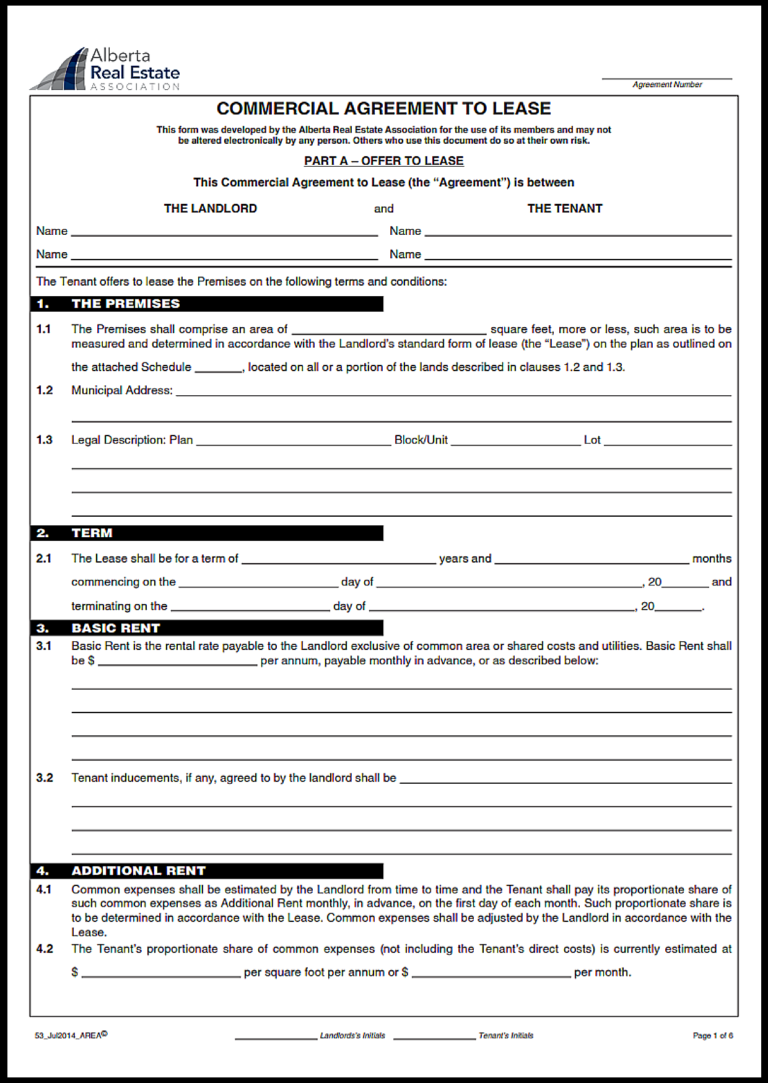
Free Alberta Lease Renewal Agreement Template
Below is a clean and ready-to-use template. You can copy it and fill in the details.
Understanding Alberta Lease Renewal Agreements
What Is an Alberta Lease Renewal Agreement?
Under Alberta law, a lease renewal agreement is a legal document used to continue an existing rental agreement for a new period. It keeps most of the original terms but updates important details like time and rent.
In most cases, it helps avoid creating a completely new lease while still keeping things legally clear. This is why it is commonly used in residential rentals across Alberta.
When Should You Use a Lease Renewal Agreement?
You should use a lease renewal agreement when your current lease is ending but both landlord and tenant want to continue without starting from scratch.
It is especially useful when only small updates are needed. For example, rent may change slightly, or the lease duration may be extended for another year.
- Fixed-term lease is about to expire
- Both parties agree to continue
- Only minor changes are needed
- You want to avoid automatic month-to-month tenancy
Example: A tenant in Calgary finishes a one-year lease and wants to stay. Instead of drafting a new lease, both parties sign a renewal agreement with updated rent.
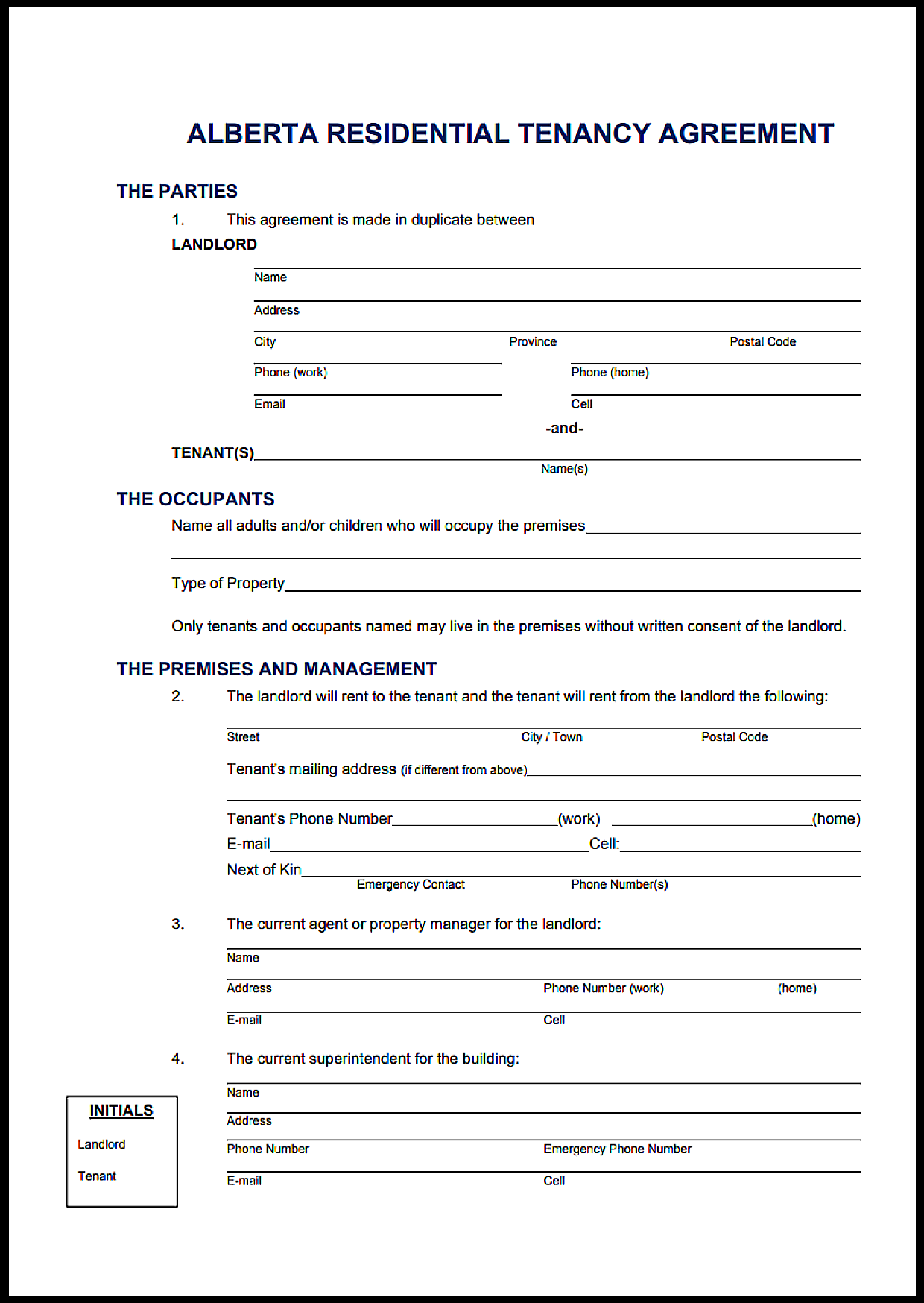
This guide explains how to draft a legally valid rental contract step by step. You can compare your draft with the complete lease agreement template for accuracy.
Lease Renewal vs Lease Extension vs New Lease
Many people confuse these terms, but they are quite different in practice.
| Type | Meaning | Best Use Case |
| Lease Renewal | Starts a new term with updates |
When rent or terms change
|
| Lease Extension | Continues same lease temporarily |
Short extension without changes
|
| New Lease Agreement | Completely new contract |
Major changes or new tenant
|
Choosing the correct option is important. Using the wrong one can create legal confusion later, especially if a dispute happens.
Key Elements Required in Alberta Lease Renewal
A proper lease renewal agreement must include certain key details. Missing any of these can make the agreement weak or unclear.
It should clearly mention the names of all parties exactly as written in the original lease. The property details must include the full address so there is no confusion about the rental unit.
The renewal term should be clearly defined. It can either be a fixed-term lease with start and end dates or a month-to-month arrangement.
The rent section should include both the new rent amount and the due date. If there are any changes in rules like pets, utilities, or parking, they must be written clearly.
- Names of landlord and tenant
- Full property address
- Renewal period (fixed or monthly)
- Updated rent and due date
- Any changes to terms
- Signatures with dates
Without signatures, the agreement may not be legally enforceable.
Is a Lease Renewal Agreement Legally Valid in Alberta?
Yes, a lease renewal agreement is legally valid if it follows Alberta’s Residential Tenancies Act (RTA).
Under Alberta law, the agreement must be signed by both landlord and tenant. It also cannot override tenant protection rules set by law. This means even if something is written in the agreement, it won’t apply if it breaks legal rules.
Verbal agreements are not recommended. In real disputes, they often lead to confusion because each side remembers things differently.
How to Complete Your Lease Renewal (Step-by-Step)
Step 1: Review the Original Lease
Before starting, carefully check your current lease. Look at expiry date, rent, and existing conditions so you don’t miss anything important.
Step 2: Agree on Changes
Both landlord and tenant should discuss and agree on any updates like rent increase or lease duration. This avoids disagreements later.
Step 3: Fill in Renewal Details
Write all updated details clearly in the template. Avoid vague or incomplete information.
Step 4: Sign the Agreement
Both parties must sign and date the agreement. This step makes it legally valid.
Step 5: Keep Copies
Each party should keep a signed copy. This is important for future reference or disputes.
Rent Increase Rules in Alberta
Rent rules are very important and often misunderstood.
Under Alberta law, rent cannot be increased during a fixed-term lease. Any increase must follow proper timing and should be agreed upon by both parties.
| Rule | Explanation |
| Fixed-term lease |
Rent cannot be increased during the term
|
| Renewal time |
Rent can be updated if both agree
|
| Month-to-month |
Proper notice required before increase
|
If rent is increased without following these rules, it may not be enforceable.
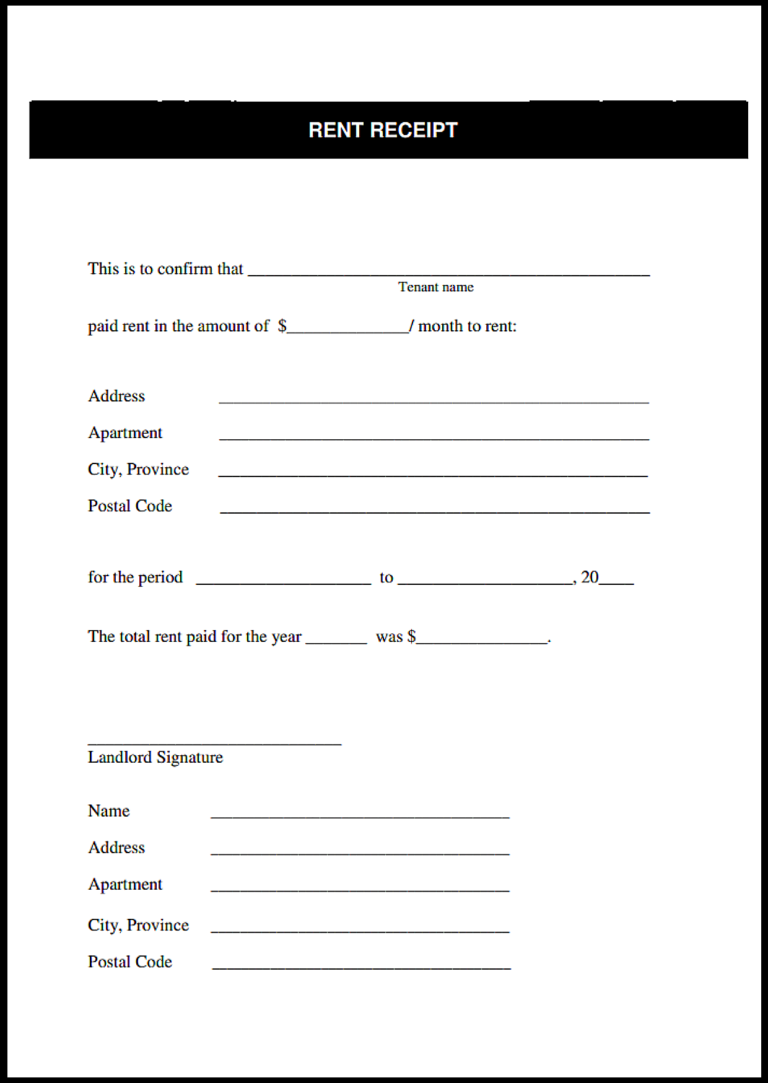
While drafting, you may also need to prepare supporting documents such as a tenant application form and a rent receipt.
Common Mistakes to Avoid
Many landlords and tenants make simple but serious mistakes during renewal. These mistakes can cause problems later.
Not writing changes properly is one of the most common issues. People often agree verbally but forget to document it. Another mistake is not updating rent details or using the wrong type of agreement.
- Missing signatures
- Not updating rent clearly
- Using renewal instead of new lease
- Ignoring Alberta laws
- Relying on verbal agreements
Avoiding these mistakes will save time, money, and stress.
Risks of Not Using a Renewal Agreement
If you don’t use a lease renewal agreement, things can become unclear very quickly. The lease may automatically convert into a month-to-month tenancy, which may not be what you want.
Disputes over rent, rules, or responsibilities can also arise. Without a written agreement, it becomes difficult to prove anything legally.
In many cases, landlords struggle to enforce conditions simply because nothing was written down.
Can a Tenant Refuse to Renew a Lease?
Yes, tenants have the right to refuse renewal.
In Alberta, renewal is not mandatory. Both landlord and tenant must agree. A landlord cannot force a tenant to renew the lease.
If no renewal is signed, the tenancy may end or convert into a month-to-month arrangement depending on the situation and notice given.
Helpful Alberta Rental Documents (Internal Resources)
Managing a rental properly often requires more than just a renewal agreement. You may also need other documents depending on your situation.
You can check related documents like Alberta Lease Agreement for new tenants, Alberta Rental Application Form for screening, and Alberta Notice to Vacate for ending tenancy properly.
If you are renting a shared space, Alberta Room Rental Agreement can be useful. For temporary arrangements, Alberta Sublease Agreement is helpful.