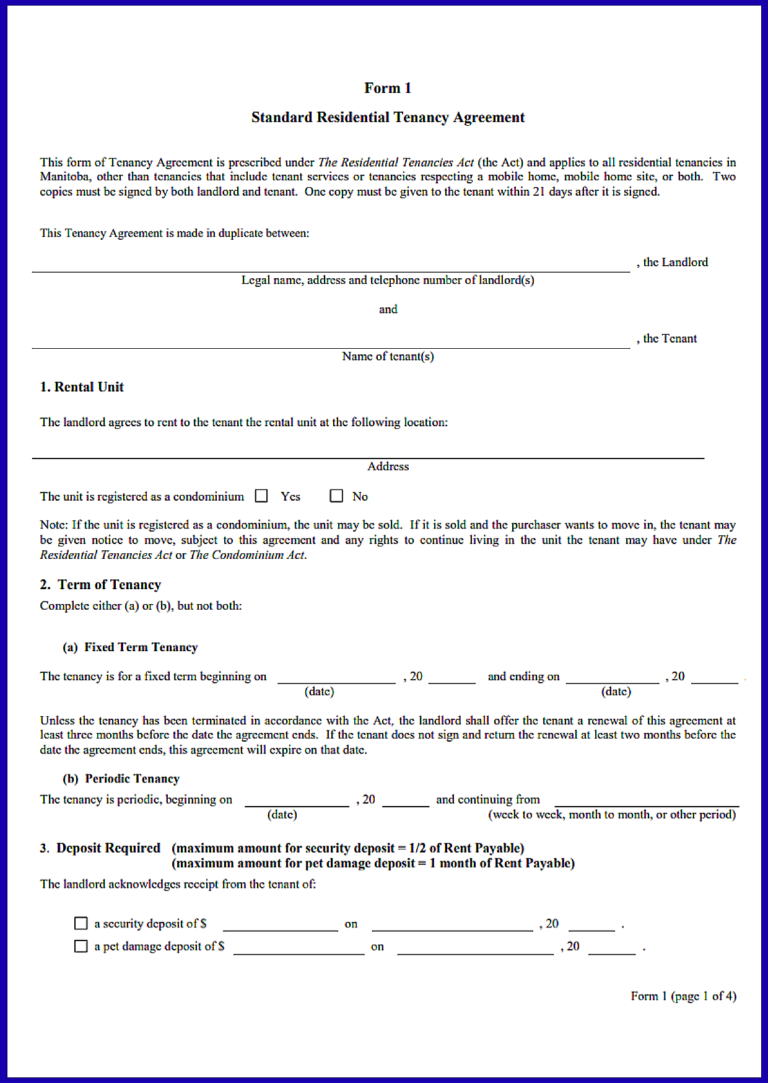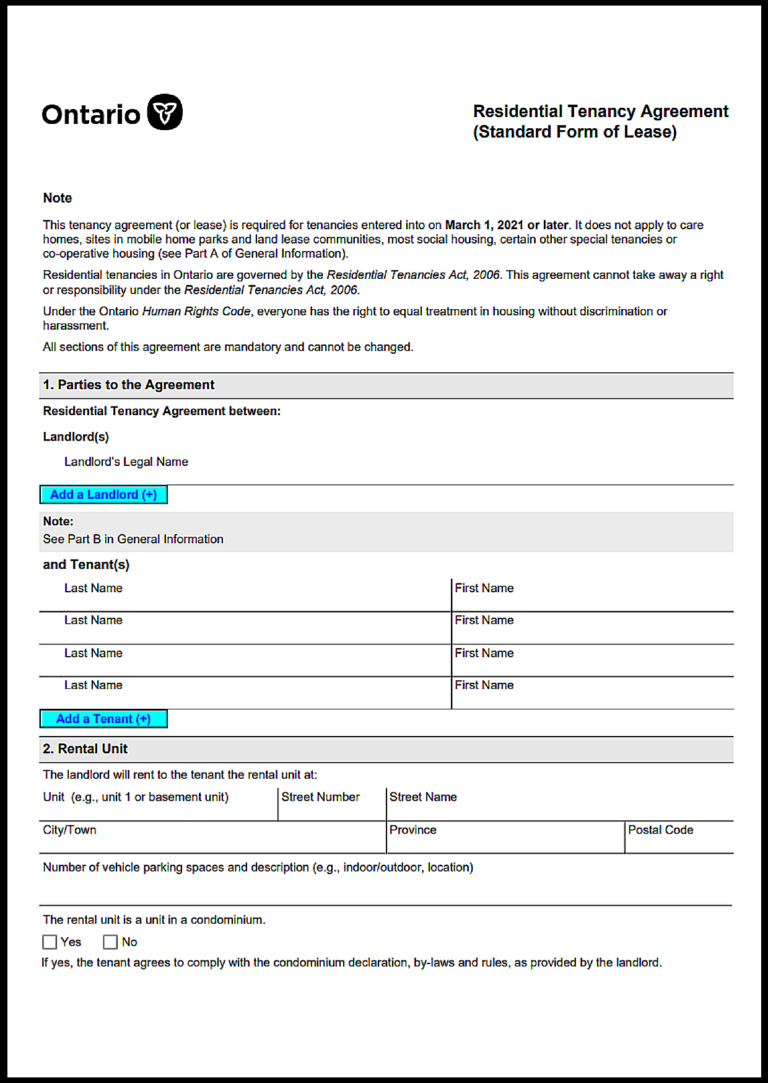
How to Write Lease Agreement Ontario (Guide + Template)
How to Write Lease Agreement Ontario is something every landlord and tenant should understand before renting a property. A lease agreement is a written contract that clearly explains rent, rules, and responsibilities.
In Ontario, using a proper written lease is not just helpful—it’s required in most cases. A clear agreement protects both sides and prevents future disputes.
I’ve seen Ontario landlords rely on verbal promises or outdated lease forms, only to end up in avoidable disputes over rent increases, deposits, or notice rules. When someone is renting for the first time, even one missing clause can create serious problems later at the Landlord and Tenant Board.
In this article, you’ll learn:
- A free fillable lease template
- Step-by-step instructions to write your own agreement
- Ontario legal rules you must follow
- Practical tips from real rental situations
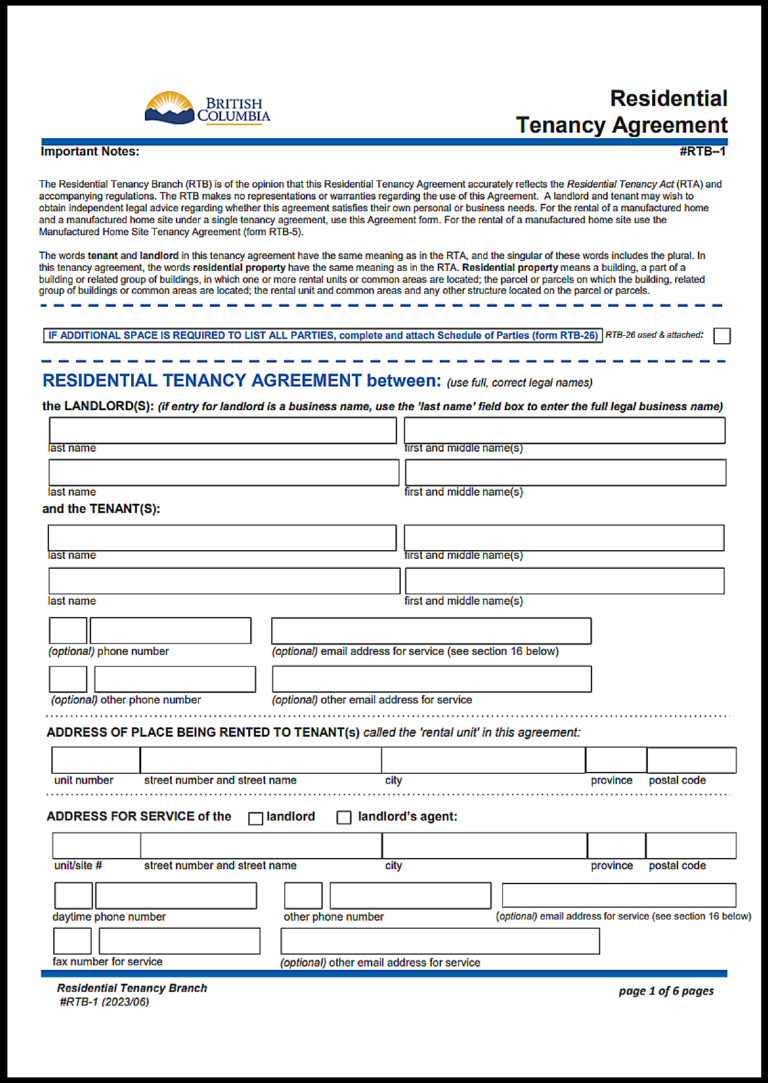
Free Lease Agreement Template (Ontario)
Use this beginner-friendly template to create your lease quickly. You can download pdf or word format.
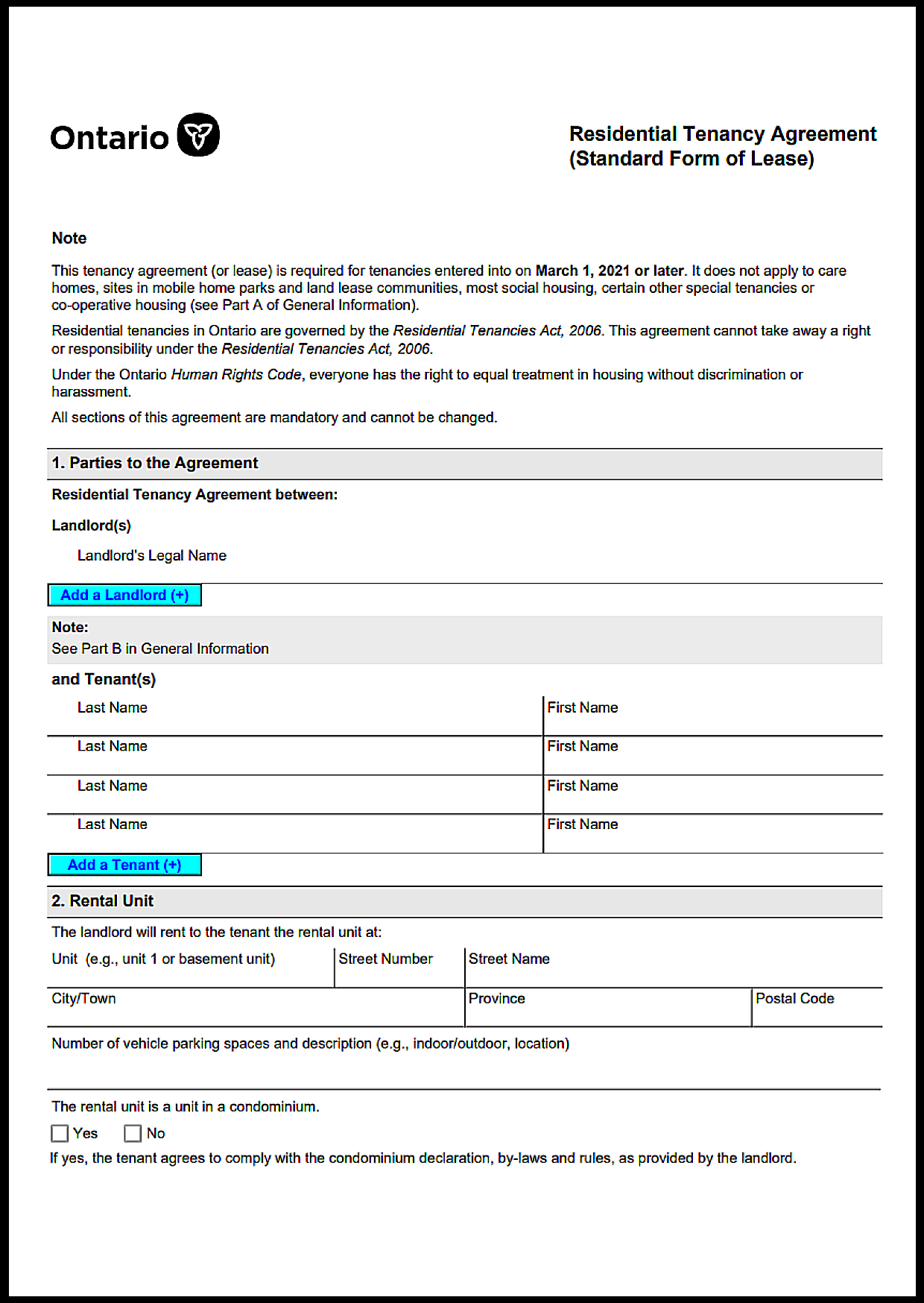
What is a Lease Agreement in Ontario (Simple Meaning)
A lease agreement is a legal contract between a landlord and a tenant.
In simple words:
- It explains how much rent you pay
- It sets rules for living in the property
- It defines who is responsible for what
Under Ontario’s Residential Tenancies Act (RTA), most rental agreements must follow strict rules. This law protects both landlords and tenants.
If you’re new, read our full article on what is a lease agreement in Ontario to understand basics before writing one.
When Do You Need to Write a Lease Agreement?
You should write a lease agreement in almost every rental situation:
- Renting out a house, apartment, or basement
- Starting a new tenancy
- Renewing or extending a lease
- Renting to friends or family (still required!)
- Long-term or month-to-month rentals
Even if you trust the tenant, a written agreement avoids confusion later.
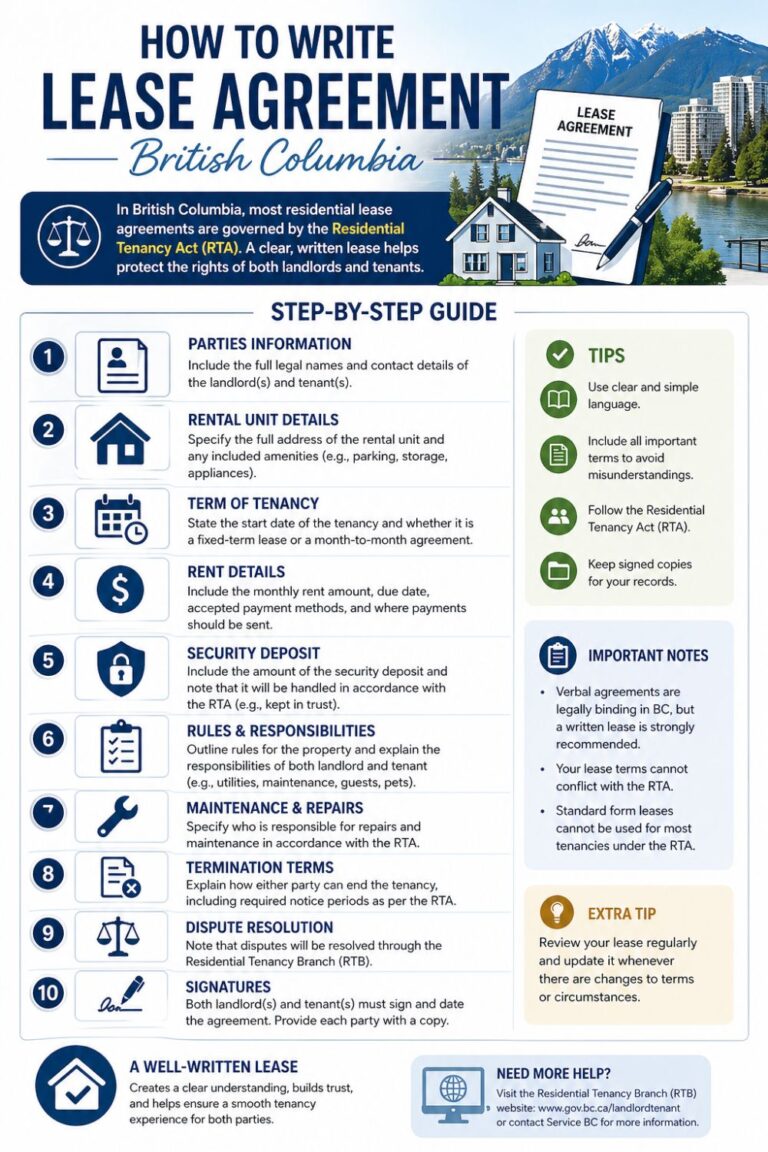
Step-by-Step: How to Write a Lease Agreement in Ontario
Follow these steps carefully to create a strong and legal agreement.
Step 1 – Add Correct Names of All Parties
Write the full legal names of:
- Landlord
- All tenants (every adult living there)
This avoids future disputes about who is responsible.
Step 2 – Describe the Rental Property Clearly
Include:
- Full address
- Unit number (if any)
- Extra areas like:
- Parking space
- Storage
- Shared areas
Be specific. For example: “Basement unit with separate entrance.”
Step 3 – Mention Lease Term
Choose one:
- Fixed-term lease (e.g., 1 year)
- Month-to-month lease
Also mention:
- What happens after the lease ends
(In Ontario, it usually becomes month-to-month automatically)
Step 4 – Set Rent Amount & Due Date
Clearly write:
- Monthly rent amount
- Due date (e.g., 1st of each month)
- Payment method (bank transfer, cash, etc.)
Important:
Under Ontario law (RTA s. 83), any clause imposing a flat fee, percentage penalty, or interest charge for late rent payment is completely void. Landlords cannot contract out of this provision. The only permissible fee is an NSF charge up to a maximum of $20.00, or the actual bank fee incurred, as explicitly authorized under O. Reg. 516/06, s. 11.
Step 5 – Include Utilities & Extra Costs
Mention who pays for:
- Electricity
- Water
- Internet
- Gas
Example:
- Tenant pays electricity
- Landlord pays water
Step 6 – Add Rules & Restrictions
You can include rules about:
- Pets
- Smoking
- Noise
- Guests
But rules must be reasonable and legal
Landlords are not allowed to:
- Ban guests completely
- Discriminate (e.g., no children)
Step 7 – Maintenance Responsibilities
Under RTA s. 20(1), the landlord holds a non-delegable, statutory obligation to maintain the rental unit in a good state of repair, fit for habitation, and compliant with health, safety, and housing standards. The tenant is solely responsible for ordinary cleanliness under RTA s. 33. Any lease clause shifting ‘minor upkeep,’ repairs, seasonal lawn maintenance, or snow removal onto the tenant within the lease is legally void. Shifting maintenance requires a separate, legally independent service contract with distinct compensation.
In most rental situations, landlords must keep the property in good condition.
Step 8 – Signatures & Date
Both parties must:
- Sign the agreement
- Add date
Under RTA s. 12, a tenancy agreement is enforceable once occupancy is granted, even if a formal signature is missing. However, if the landlord fails to provide the tenant with a copy of the signed lease or the landlord’s legal name and address for service within 21 days of commencement, the tenant’s obligation to pay rent is legally suspended under RTA s. 12(4) until that information is delivered.
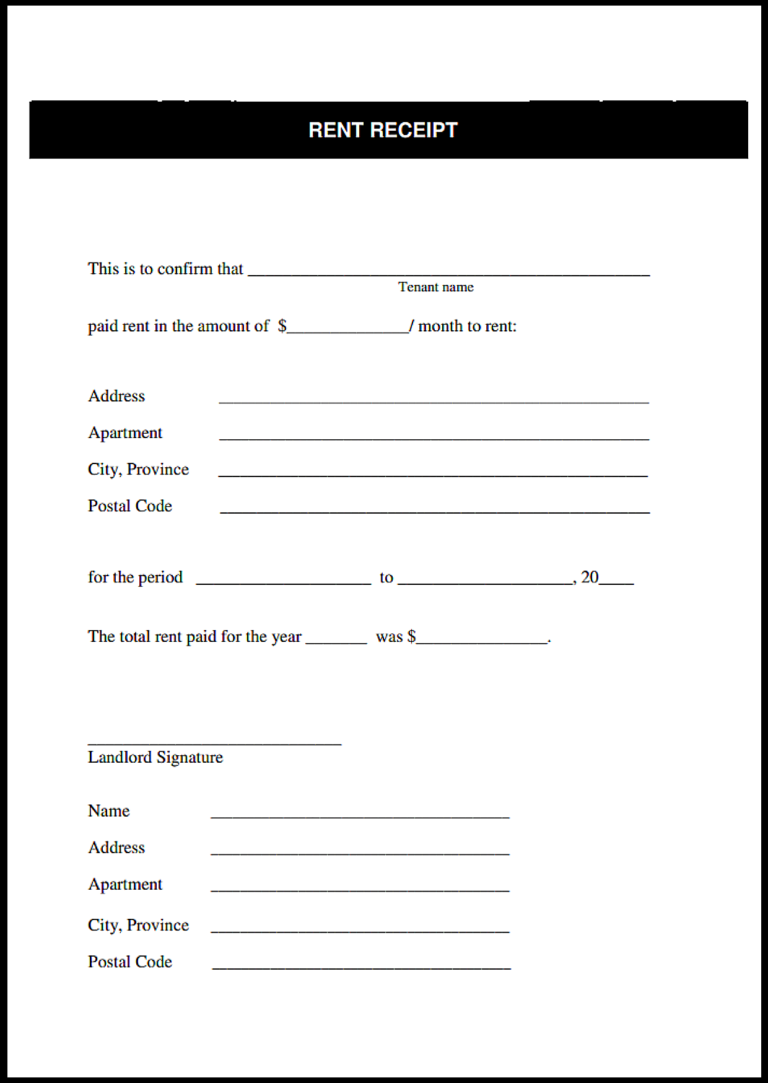
This article on how to write a lease agreement in Ontario should be used alongside the official lease template. It’s important to follow Ontario legal requirements and understand lease agreement basics. You may also need a rental application form and a rent receipt template.
Ontario Legal Rules You MUST Follow
Here are key legal rules every landlord and tenant should know:
| Rule | What It Means |
| Standard Lease Required |
Landlords must provide Ontario’s official lease form
|
| Rent Increase Rules |
Rent can only increase once per year (with notice)
|
| Security Deposit |
Only last month’s rent is allowed
|
| Tenant Rights |
Protected by the Landlord and Tenant Board
|
Common Mistakes When Writing Lease Agreements
Avoid these common errors:
- Missing key details (rent, dates, names)
- Adding illegal clauses:
- “No guests allowed”
- “No children”
- Not using the standard lease form
- Relying only on verbal agreements
These mistakes can make your agreement weak or invalid.
What Makes a Lease Agreement Invalid in Ontario?
A lease may become invalid if:
- It does not follow the Ontario standard lease format
- It violates tenant rights
- Signatures are missing
- It includes illegal charges or deposits
For example, asking for a damage deposit is not allowed in Ontario.
Real-Life Example (Easy to Understand)
Let’s say you rent out a basement in Toronto.
Without a written lease:
- Tenant delays rent
- You argue about utility payments
- No clear rules = confusion
With a proper lease:
- Rent amount and date are clear
- Utilities are clearly assigned
- Rules are agreed in advance
A simple agreement can prevent major disputes later.
Tips to Write a Strong & Clear Lease Agreement
Follow these expert tips:
- Use simple and clear language
- Avoid copying random templates online
- Always check Ontario legal rules
- Keep everything in writing
- Give a signed copy to the tenant
If unsure, compare with a standard lease agreement Ontario example.