How to write Lease Agreement Alberta? (Simple Guide)
How to write Lease Agreement Alberta is important for both landlords and tenants. A lease agreement is a simple document that explains rent, rules, and responsibilities clearly. It helps avoid fights and confusion later.
In Alberta, there are specific rental laws that must be followed. If you ignore them, you may face legal problems. I’ve seen many Alberta rental disputes start because the lease missed basic terms about deposits, repairs, or notice periods. When people use copied templates or rush the paperwork, they often do not realize the agreement may not fully protect them under Alberta tenancy laws.
This guide will help you write a proper and valid lease agreement in an easy way.
How to write Lease Agreement Alberta?
What Is a Lease Agreement in Alberta (And Why It Matters)
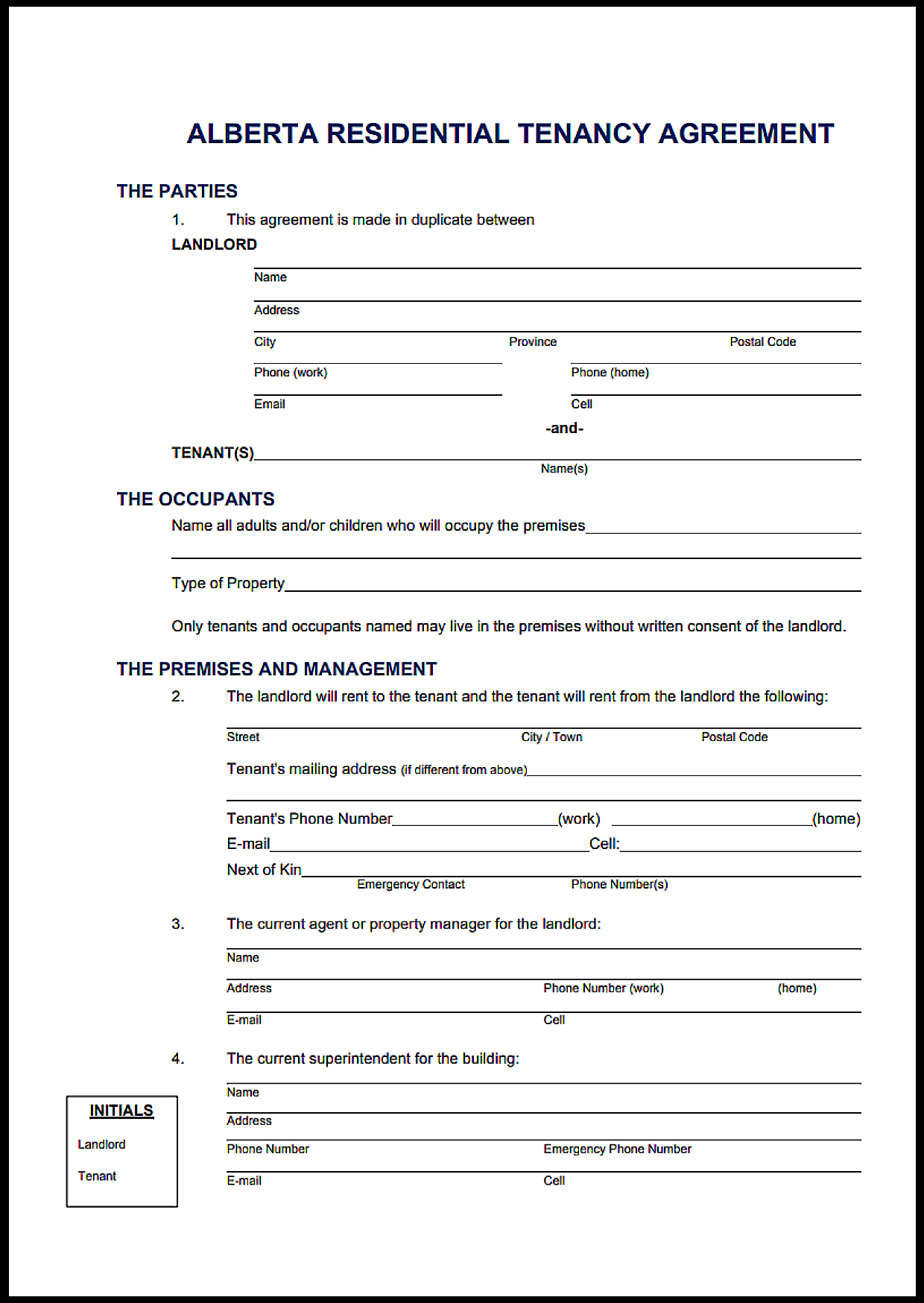
A lease agreement is a legal contract between a landlord and a tenant. It clearly explains rent amount, payment date, rules, and responsibilities. Under Alberta law, this document protects both sides.
Without a lease, small issues can become big disputes. For example, if rent date is not written, tenant may pay late and landlord cannot prove anything. A written agreement gives clarity and safety.
It is also useful when any problem happens, like damage or unpaid rent. The lease acts as proof of what both parties agreed.
Alberta Laws You Must Follow When Writing a Lease
In Alberta, rental agreements follow Residential Tenancy rules. These laws protect tenants and also guide landlords. You must follow them while writing your lease.
Some important rules are:
- Security deposit cannot be more than one month rent
- Rent cannot increase during a fixed-term lease
- Proper notice is required before ending lease
- Landlord must give notice before entering property
If you break these rules, your lease may not be valid. It can also lead to legal trouble or penalties.
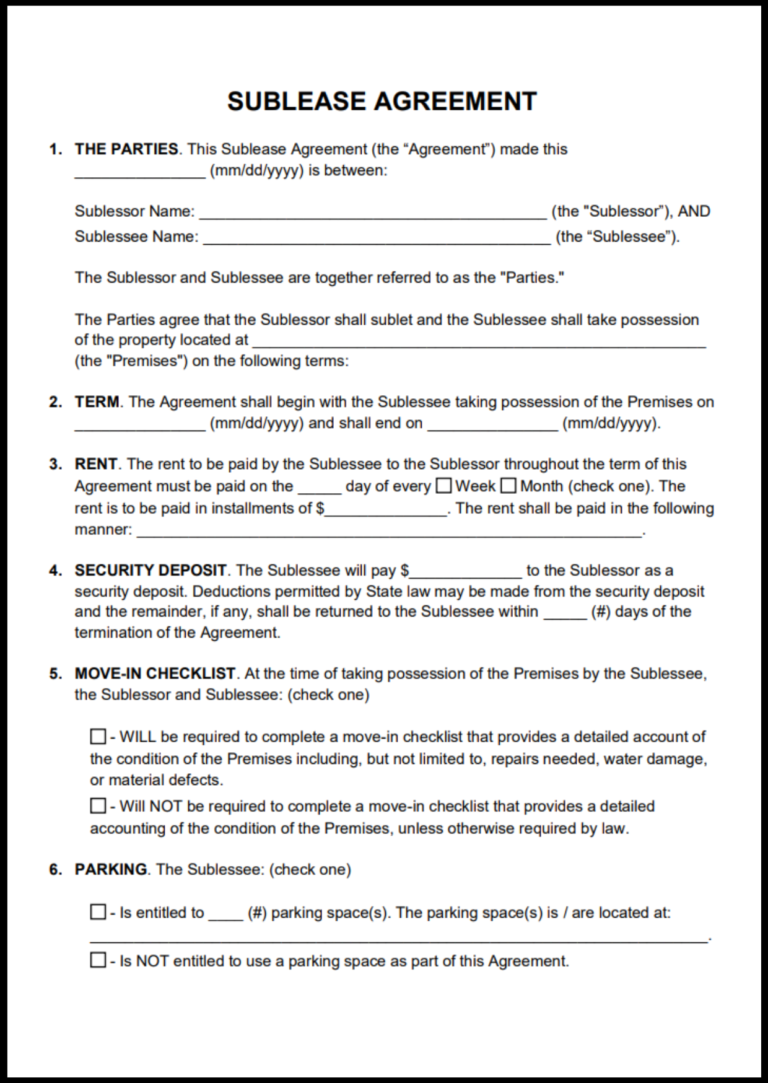
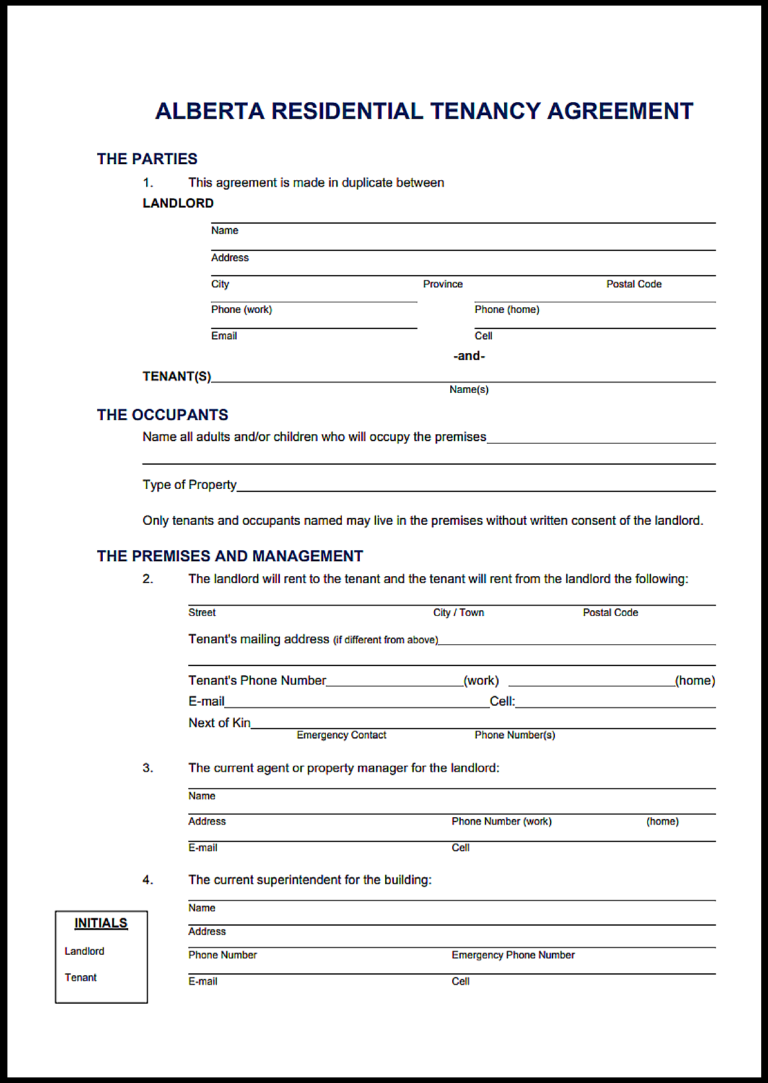
This guide explains how to draft a legally valid rental contract step by step. You can compare your draft with the complete lease agreement template for accuracy.
Key Elements Every Alberta Lease Agreement Must Include
A good lease agreement must include all important details clearly. Missing information can create confusion later.
Tenant and Landlord Identification
Write full legal names of both landlord and tenant. Do not use short names or nicknames. If there are multiple tenants, include all names to avoid confusion.
Rental Property Description
Mention full address of the property. Also include extra areas like parking, storage, or basement if given. This makes everything clear.
Rent Structure and Payment Terms
Explain rent properly in simple words.
- Monthly rent amount
- Due date
- Late payment rules
- Payment method
Clear rent terms help avoid arguments later.
Lease Duration
Write whether lease is fixed-term or month-to-month. Also mention start and end date if fixed. Add renewal conditions if needed.
Security Deposit Rules
Under Alberta law, deposit cannot be more than one month rent. Also mention how and when it will be returned and conditions for deductions.
Rights and Responsibilities
Explain duties clearly. Landlord usually handles major repairs, while tenant must keep property clean and avoid damage.
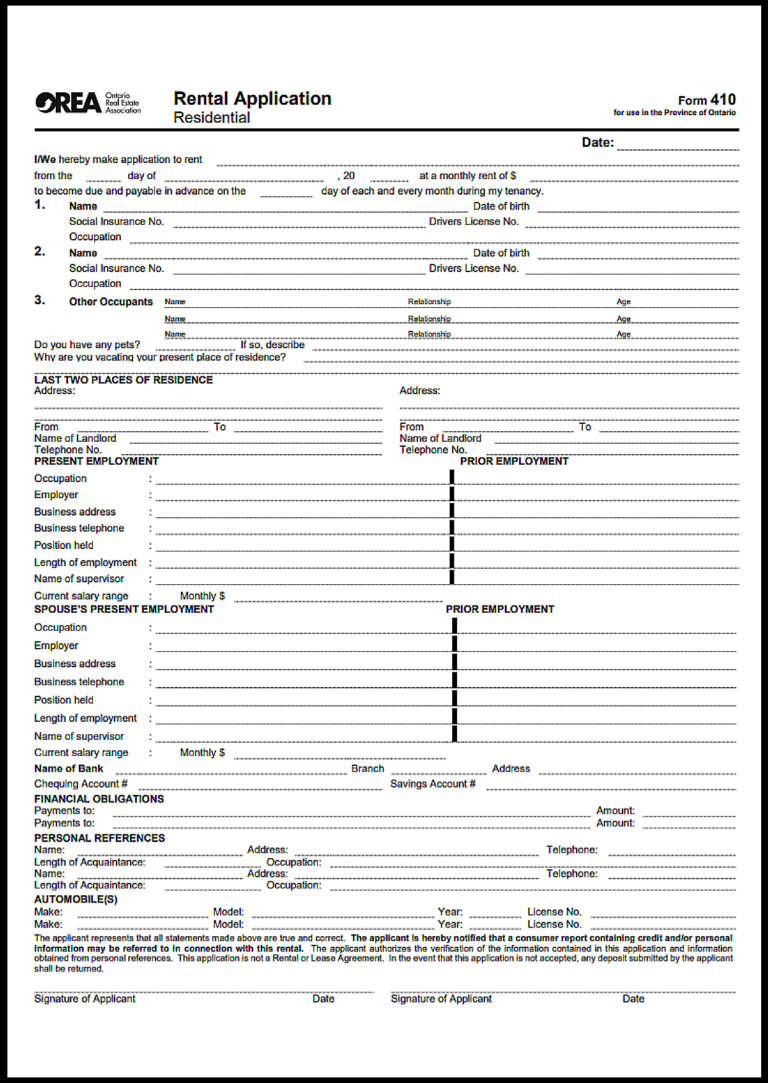
While drafting, you may also need to prepare supporting documents such as a tenant application form and a rent receipt.
Step-by-Step Guide to Writing a Lease Agreement
Writing a lease is not difficult if you follow steps properly.
Step 1: Start With Basic Details
Begin with names of landlord and tenant. Add property address and type of lease. Keep everything clear and correct.
Step 2: Define Financial Terms Clearly
Write rent amount, deposit, and utility details. Avoid unclear language. Always mention due dates and payment methods.
Step 3: Add Rules and Restrictions
Include rules like pets, smoking, and guests. These rules help avoid future problems and misunderstandings.
Step 4: Include Legal Clauses
Add important legal points like entry notice, termination rules, and notice period. These are required under Alberta law.
Step 5: Review and Sign
Check all details carefully. Both landlord and tenant must sign the agreement. Keep copies safely for future use.
Fixed-Term vs Month-to-Month Lease (Which One to Choose?)
Both types of leases have different benefits. You should choose based on your needs.
| Feature | Fixed-Term Lease |
Month-to-Month Lease
|
| Duration | Fixed period | Ongoing |
| Flexibility | Low | High |
| Stability | High | Medium |
| Notice Rules | Strict | Easy |
A fixed-term lease is good for stability. Landlords get steady income and tenants stay for a fixed period.
A month-to-month lease gives more flexibility. It is helpful for tenants who may move soon or are unsure about long-term plans.
For example, a family may choose fixed-term for security, while a student may prefer month-to-month.
Common Mistakes to Avoid When Writing a Lease
Many people make simple mistakes while writing lease agreements. These mistakes can cause serious problems later.
- Missing important clauses
- Not following Alberta laws
- Writing unclear rent terms
- Not making a written agreement
- Ignoring tenant rights
Avoiding these mistakes will make your lease strong and clear.
Legal Risks of an Improper Lease Agreement
A poorly written lease can create many legal issues. It can make disputes harder to solve and reduce protection for both parties.
Some common risks include:
- Conflicts over rent or deposit
- Difficulty in removing tenants
- Loss of legal rights
- Possible legal claims or penalties
Under Alberta law, a proper lease is very important for safety.
Real-Life Example of a Lease Agreement Scenario
A landlord rents a basement suite to a tenant.
If the lease is clear, it includes rent, utilities, and rules. Everything runs smoothly and there are no problems.
If there is no proper lease, confusion starts. Tenant may not pay utilities, or may leave without notice. This creates stress and financial loss.
This example shows why a written lease is always better.
How to Make Your Lease Agreement Legally Valid in Alberta
To make your lease valid, you must follow some simple steps. Write everything clearly and make sure it follows Alberta laws.
- Agreement should be written
- Both parties must sign
- Follow all legal rules
- Keep copies for record
Verbal agreements may work, but they are risky and difficult to prove.
When Should You Update or Renew Your Lease Agreement?
You should update your lease when there are changes in the agreement. Keeping it updated helps avoid confusion.
- When fixed-term lease ends
- When rent changes
- When new tenant is added
- When rules are updated
Always update the agreement in writing.