Alberta Rental Application Template for Landlords (Free PDF)
Alberta Rental Application is the first and most important step when choosing a reliable tenant. If you skip this step, you’re basically taking a risk with your property.
Finding the right tenant starts with using a proper application form. It helps landlords collect key details, verify information, and make fair decisions.
I’ve seen Alberta landlords end up in long disputes because they trusted a handshake conversation instead of properly screening the tenant at the start. When someone is renting out a property for the first time, they often don’t realize that asking the wrong questions on an application can also create legal problems under Alberta human rights laws.
Under Alberta law, landlords must follow privacy and human rights rules while collecting and using tenant data. This is not optional.
This article gives you a free rental application template and explains how to use it correctly—step by step.
Free Alberta Rental Application Template
Use this simple and clean template to screen tenants properly. You can copy and paste it or format it as a PDF.
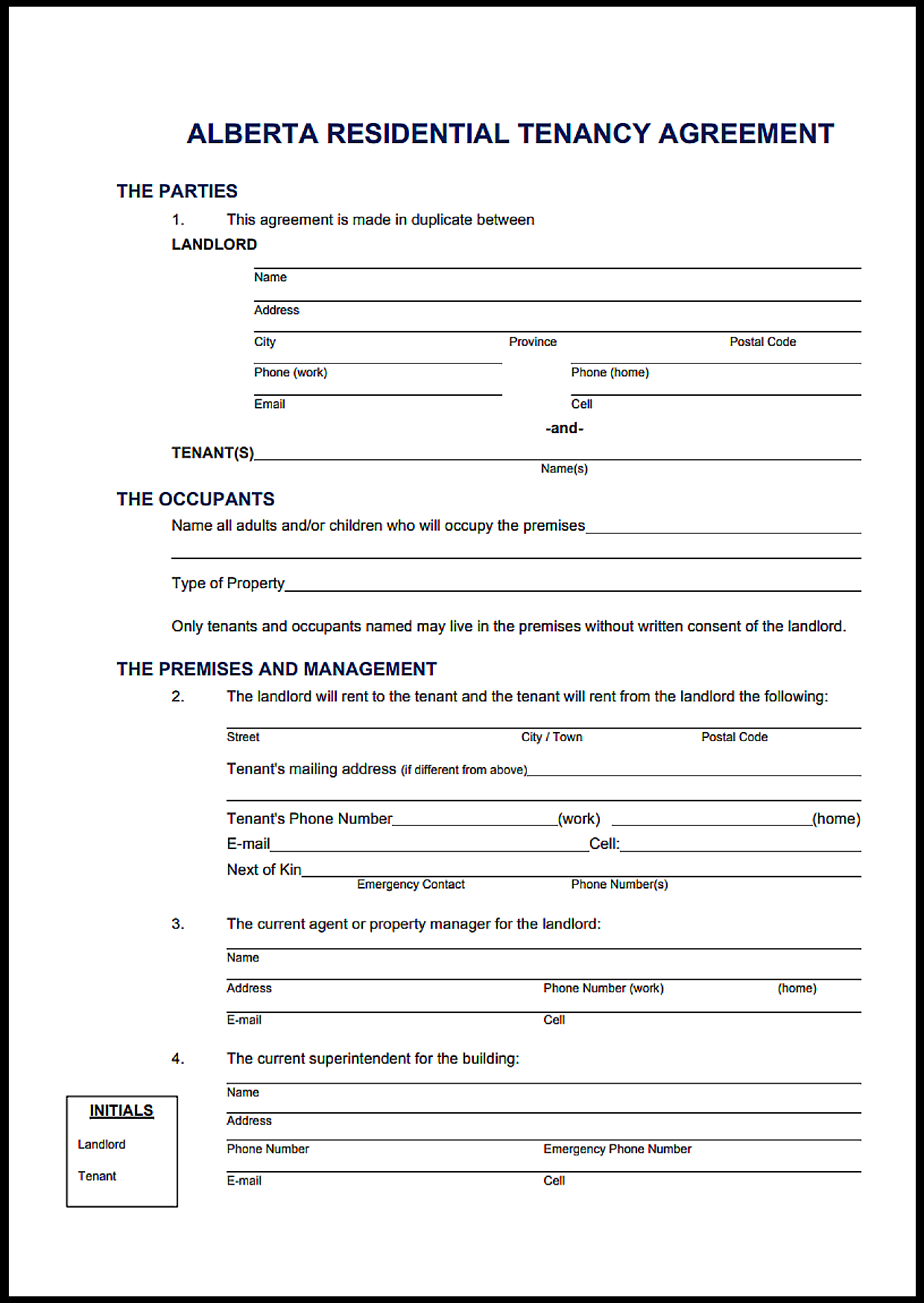
What Is an Alberta Rental Application and Why It Matters
A rental application is a simple form used to collect details about a potential tenant before signing a lease.
It is not legally required in Alberta, but in real-life situations, it is one of the best tools a landlord can use.
Here’s why it matters:
- Helps you check income and job stability
- Lets you verify past rental behavior
- Reduces risk of late rent or property damage
- Creates a clear record of your screening process
In most situations, landlords who skip this step face issues later—like unpaid rent or tenant disputes.
This document is used during the tenant screening process to collect personal, financial, and rental history information. It plays an important role before entering into a formal lease agreement.
Alberta Laws You Must Follow When Screening Tenants
Privacy Rules (PIPA – Personal Information Protection Act)
Under Alberta law, the Personal Information Protection Act (PIPA) controls how you collect and use personal data.
You must:
- Collect only necessary information
- Tell the applicant why you need it
- Get clear consent before using it
- Store it safely and securely
For example, asking for a Social Insurance Number is usually unnecessary and risky.
Human Rights Restrictions (Alberta Human Rights Act)
The Alberta Human Rights Act protects applicants from discrimination.
You cannot reject or treat someone unfairly based on:
- Race or ethnicity
- Religion
- Gender or sexual orientation
- Disability
- Family status (e.g., having children)
Important: Even asking certain questions can be illegal.
Avoid questions like:
- “Do you plan to have kids?”
- “What religion do you follow?”
Credit Checks & Background Screening Rules
You can run a credit check, but only if:
- You have written consent
- You clearly inform the applicant
Many landlords use third-party services for this.
Without consent, running a credit check may violate privacy laws.
Key Sections Every Alberta Rental Application Must Include
Identity & Contact Details
This section confirms who the person is. Keep it simple and avoid unnecessary details. Basic contact information is enough in most cases.
Employment & Income Verification
This helps you understand if the tenant can pay rent regularly. Stable income is one of the most important factors.
Common proofs include:
- Salary slips
- Employer contact
Self-employed people may provide bank statements or tax records.
Rental History Check
Checking past rental history helps you avoid risky tenants. Contact previous landlords and ask about payment behavior and property care.
Red flags to watch:
- Late payments
- Frequent shifting
- Complaints from landlords
References & Emergency Contacts
References give extra confidence about the tenant. You can ask for personal or professional references and contact them if needed.
Consent & Authorization Clause
This section is very important under Alberta law. It allows you to legally verify information. Without it, you should not proceed with checks like credit reports.
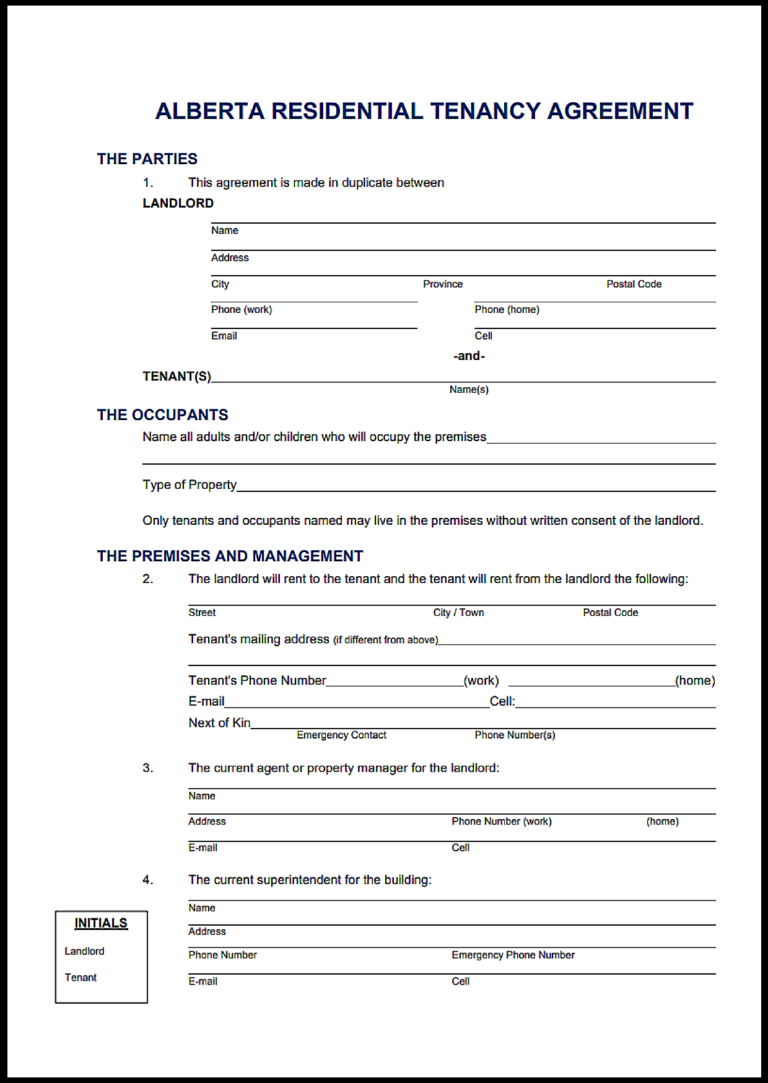
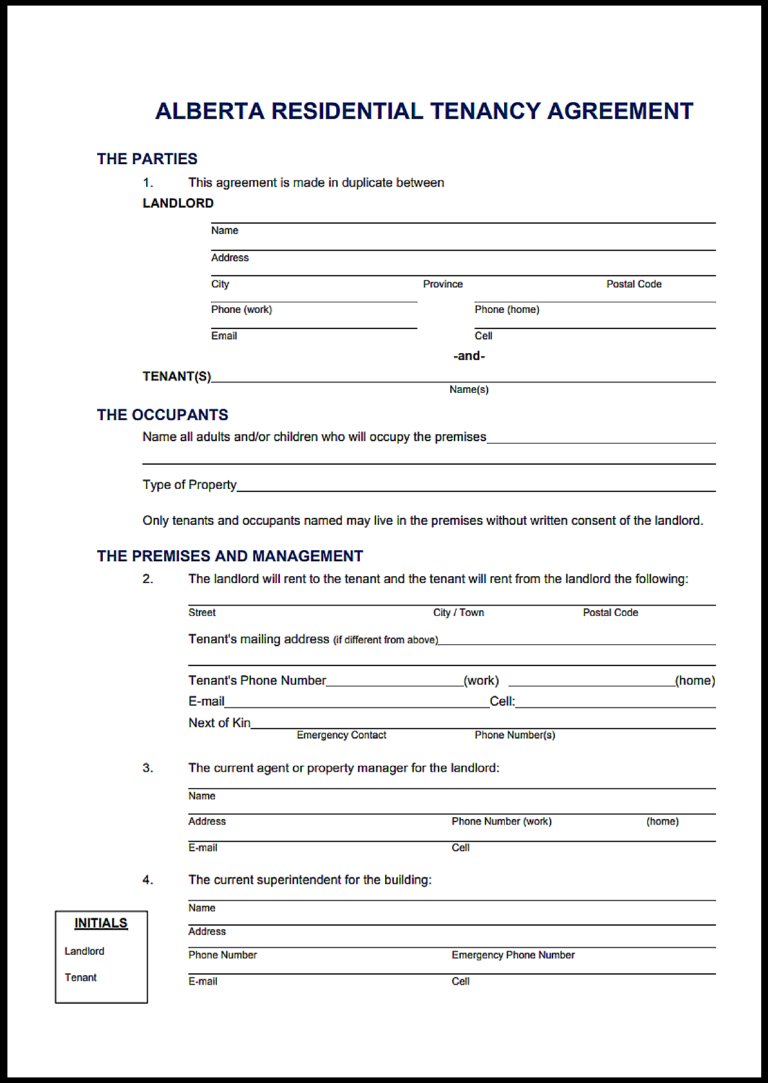
Once approved, applicants typically move forward with a residential rental agreement. After move-in, landlords may issue a rent receipt for each payment received.
How to Fill Out and Use the Rental Application (Step-by-Step)
Using the application properly is just as important as having one. You should follow a clear and fair process for every applicant.
Steps to follow:
- Share the same form with all applicants
- Check if the form is complete
- Verify job and references
- Run credit check with consent
- Compare applicants fairly
- Store or delete data securely
Keeping notes during screening can help you justify your decision later.
Common Mistakes Landlords Make (And How to Avoid Them)
Many landlords make mistakes without realizing it, which can lead to legal issues. Small errors can become serious problems if not handled properly.
Common mistakes:
- Asking illegal questions
- Not taking written consent
- Skipping reference checks
- Rejecting without valid reason
- Poor data storage
Always follow a proper process to stay safe.
In some cases, verification may involve supporting legal records like a sworn declaration or identity confirmation used in other legal documentation processes.
Rental Application vs Lease Agreement
| Feature | Rental Application |
Lease Agreement
|
| Purpose | Screening tenants | Legal contract |
| Timing | Before approval | After approval |
| Legally Binding | No | Yes |
| Includes Terms | No | Yes |
| Point | Rental Application |
Lease Agreement
|
| Main Use | Check tenant details | Final agreement |
| Risk Level | Low |
High (legal impact)
|
| Flexibility | More flexible | Fixed terms |
The application is just a screening tool, while the lease is the final legal agreement.
Real-Life Example: How a Rental Application Prevents Risk
In real situations, two tenants may look similar at first. But after checking their application, the difference becomes clear. One may have stable income and good references, while the other may have unclear income and bad rental history.
This small step can save you from future problems like missed rent or property damage. That is why experienced landlords never skip this process.
When Can a Rental Application Be Rejected in Alberta?
You can reject a tenant only for valid reasons. Your decision must be fair and based on facts, not personal bias.
Valid reasons:
- Poor credit history
- Low income
- Negative landlord feedback
Invalid (illegal) reasons:
- Religion
- Family status
- Ethnicity
Always use the same criteria for every applicant.
FAQs About Alberta Rental Applications
Is a rental application legally required in Alberta?
No, a rental application is not legally required in Alberta. However, it is strongly recommended because it helps landlords screen tenants and reduce risks.
Can landlords charge an application fee in Alberta?
Yes. Unlike British Columbia or Ontario, Alberta’s Residential Tenancies Act does not explicitly outlaw application or screening fees. However, under established provincial case law, any such fee must strictly reflect the actual administrative out-of-pocket costs incurred by the landlord (such as third-party credit check fees). If the fee is arbitrarily high, the RTDRS or courts will classify it as an illegal penalty and order it returned.
Can I refuse a tenant after approval?
It depends on the situation. Refusing a tenant after approval can create legal issues, so it should be handled carefully and fairly.
How long should I keep rental applications?
You should keep rental applications only for as long as necessary. After that, they should be safely destroyed to follow privacy rules and protect personal information.