Living Will vs Power of Attorney Ontario Template
Living will VS Power of Attorney Ontario is something many people don’t understand clearly. Imagine a situation where a person is in a serious accident and cannot speak. Doctors need quick decisions, but the family is confused about what to do. This is where these documents help.
Many people think both documents are the same, but they are actually very different. I’ve seen Ontario families end up in painful disputes because they assumed a living will automatically gave someone legal authority to make decisions. In Ontario, these documents work very differently under provincial law, and when they’re missing or misunderstood, hospitals and loved ones are often left struggling during already stressful situations.
One tells your wishes, and the other gives someone the power to decide for you. In this article, you will learn the main difference, how they work in Ontario law, and how to choose the right one.
Free Living Will vs Power of Attorney Template (Ontario)
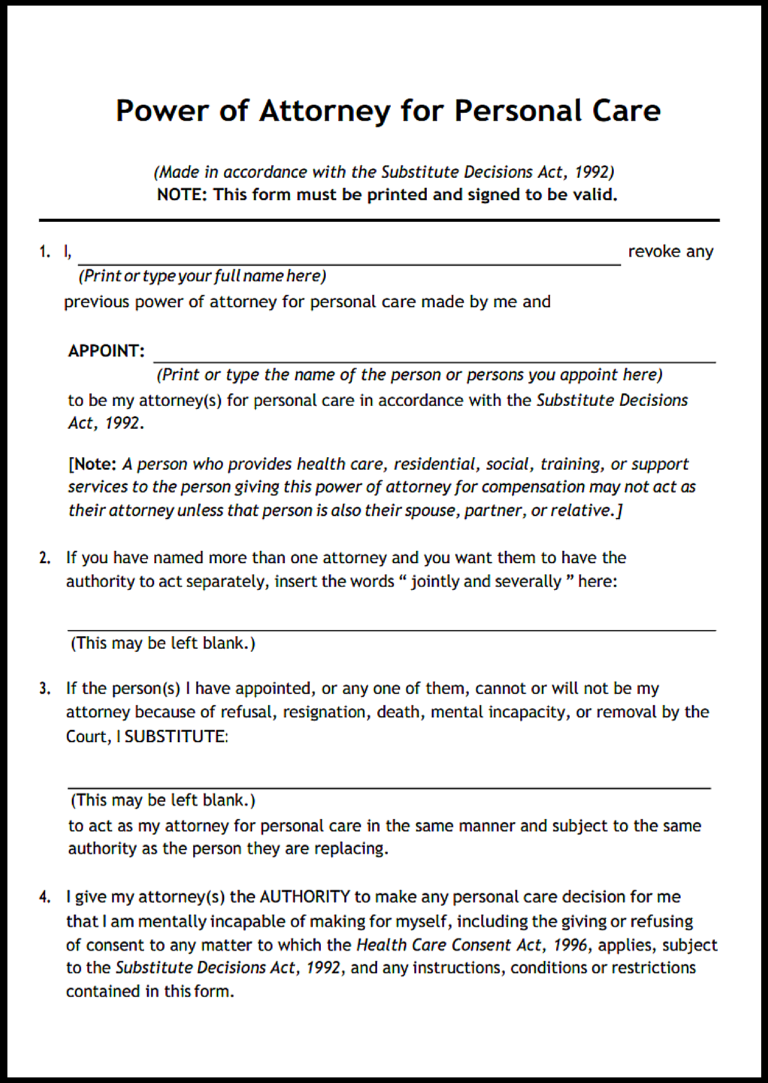
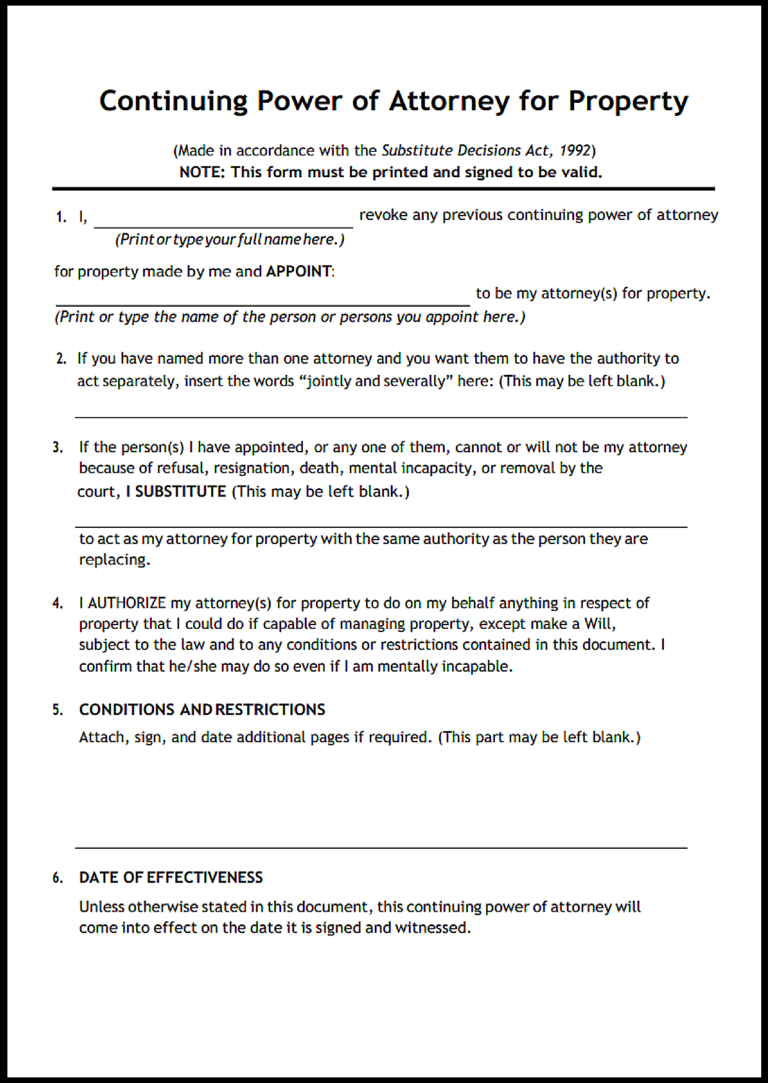
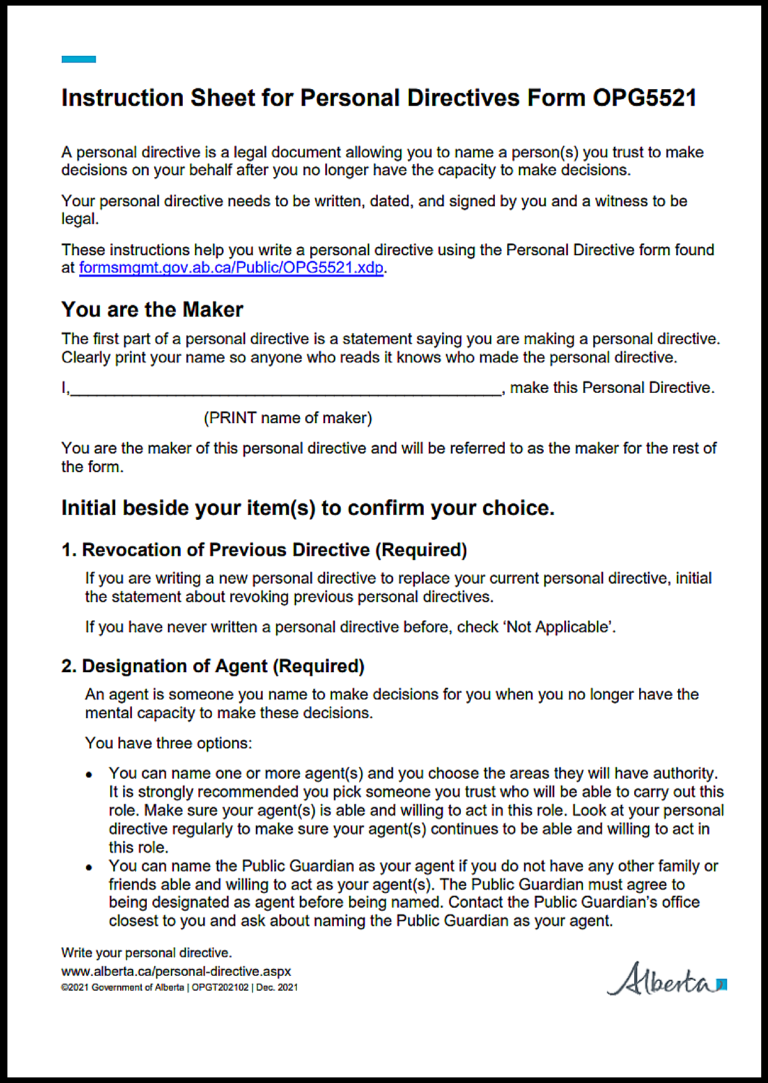
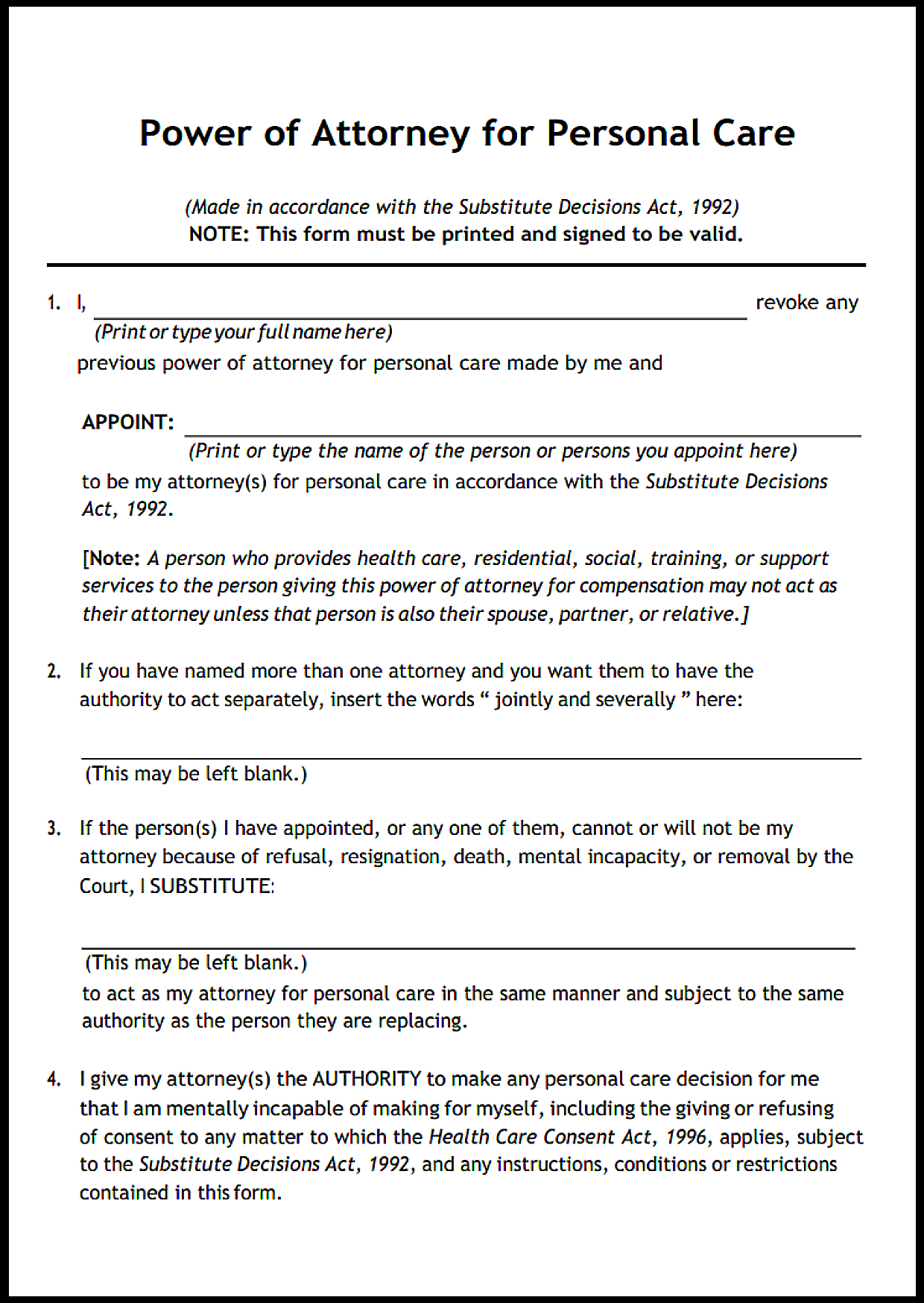
Below are simple templates you can use. These follow general Ontario rules but should be completed carefully.
Ontario Legal Requirements for Living Wills and Powers of Attorney
| Topic / Issue | Ontario Legal Rule | Governing Statute |
|---|---|---|
| Governing legislation | Living wills, substitute decision-making, and Powers of Attorney for Personal Care are governed by Ontario substitute decision and healthcare consent laws. | Substitute Decisions Act, 1992 and Health Care Consent Act, 1996 |
| Federal law involvement | No federal law governs living wills or Powers of Attorney in Ontario. | Provincial jurisdiction only |
| Legislative update | Ontario permanently legalized virtual witnessing for Powers of Attorney under specific conditions. | Accelerating Access to Justice Act, 2021 |
| Who can sign | The grantor is the person legally authorized to create the document. | SDA, s. 48(1) |
| Witness requirements | Two witnesses must sign in the presence of the grantor and each other. | SDA, s. 48(1) |
| Disqualified witnesses | The attorney, their spouse or partner, the grantor’s spouse or partner, the grantor’s child, or anyone under 18 cannot act as witnesses. | SDA, s. 48(3) |
| Notarization | Notarization is not legally required for validity. | Common law principles |
| Minimum age requirement | A person must be at least 16 years old to create a valid Power of Attorney for Personal Care. | SDA, s. 47(1) |
| Mental capacity requirement | The grantor must understand that the attorney may need to make decisions for their welfare. | SDA, s. 47(1) |
| Expiry rules | The document remains valid unless an expiry date is written into it. | SDA, s. 53 |
| Living will legal status | Ontario does not formally recognize a standalone “Living Will” as a separate legal document. | HCCA |
| Required wording for POAPC | The document must clearly state that it is a Power of Attorney for Personal Care. | SDA |
| Healthcare wishes rule | Wishes expressed while mentally capable must be followed by the substitute decision-maker. | HCCA, s. 5 |
| Filing requirement | Ontario has no central registry for living wills or Powers of Attorney. | Ontario practice rules |
| Property POA registration exception | Property-related Powers of Attorney may need Land Registry Office registration for real estate transactions. | Land Registry rules |
| Improper witnessing invalidity | Using a prohibited witness can make the document void. | SDA, s. 48(3) |
| Capacity invalidity | The document becomes invalid if the grantor lacked mental capacity at signing. | SDA, s. 47 |
| Presence requirement | The grantor and both witnesses must all be present during signing unless valid virtual witnessing rules are followed. | SDA, s. 48(1) |
| Ontario age difference | Ontario allows valid personal care Powers of Attorney at age 16, unlike many provinces that require 18 or 19. | SDA, s. 47(1) |
| Ontario terminology difference | Ontario uses the term “Power of Attorney for Personal Care” instead of “Living Will” or “Personal Directive.” | Ontario legal terminology |
| SDM hierarchy system | Ontario law automatically creates a substitute decision-maker hierarchy if no attorney is appointed. | HCCA |
One of the most important Ontario rules is that a “Living Will” is not treated as a standalone legal document in the same way people often assume. Instead, Ontario law focuses on the Substitute Decision Maker who must follow your wishes under the Health Care Consent Act. This matters in real life because many people believe writing medical wishes alone is enough, but without a properly prepared Power of Attorney for Personal Care, family members can still face confusion about who has authority to speak for you.
The witness rules are also stricter than many people expect. If your child or the person named as attorney signs as a witness, the document can become legally invalid. In an emergency, this can delay treatment decisions and create disputes between family members and healthcare providers.
Ontario’s lower age rule is another surprising difference because people as young as 16 can legally create a valid personal care Power of Attorney. Download the free Ontario template below to properly document both your healthcare wishes and your chosen decision-maker.
What Is the Difference Between a Living Will and Power of Attorney?
The difference is very simple.
- Living Will = your wishes
- Power of Attorney = your decision-maker
A Living Will only gives instructions. It does not give power to anyone. A Power of Attorney gives legal authority to a person to act on your behalf.
Quick Comparison Table (Ontario)
| Feature | Living Will |
Power of Attorney
|
| Purpose | States your wishes |
Appoints decision-maker
|
| Legal status | Not a formal law document |
Recognized under Ontario law
|
| Who acts | No one |
Appointed person
|
| Flexibility | Fixed | Flexible |
| Use case | End-of-life care |
Daily and medical decisions
|
Understanding the difference between a living will and a power of attorney is critical when planning for future incapacity. For a broader explanation of how these documents function, visit the Ontario living will template guide, which outlines their legal role within estate planning.
How Each Document Works in Real Life (Ontario Scenarios)
In real life, both documents are used together.
Scenario 1 – Medical Emergency
If a person is unconscious, doctors check the Living Will. It helps them understand what kind of treatment the person wanted. It acts only as guidance.
Scenario 2 – You Cannot Communicate
If someone cannot speak or understand, the Power of Attorney takes control. This person talks to doctors and makes decisions based on the situation.
Scenario 3 – Conflict Between Family Members
Sometimes family members do not agree. In this case, the Power of Attorney has the final legal authority. The Living Will supports their decision.
Legal Rules in Ontario You Must Know
Understanding the law is important before creating these documents.
Governing Law
In Ontario, two main laws apply:
- Substitute Decisions Act – controls Power of Attorney
- Health Care Consent Act – controls medical decisions
These laws help when a person becomes incapable.
Is a Living Will Legally Binding in Ontario?
A Living Will is not officially defined in Ontario law. But still:
- Doctors must consider your wishes
- It is used as strong evidence
So even if not fully legal, it is still very important.
Requirements for a Valid Power of Attorney
To make a valid Power of Attorney:
- You must be mentally capable
- It must be signed and witnessed
- Witness cannot be your attorney or spouse
- You must understand what you are signing
If these rules are not followed, the document may not work.
A living will focuses on medical instructions, while a power of attorney assigns decision-making authority. These are often used alongside documents like an advance care directive outlining treatment preferences and a personal directive for healthcare planning, ensuring all aspects of care and authority are covered.
When Do You Need a Living Will vs Power of Attorney?
Choosing the right document depends on your needs.
Choose a Living Will If:
- You want control over treatment
- You have clear end-of-life wishes
- You want to guide your family
Choose a Power of Attorney If:
- You trust someone to decide for you
- You want flexible decisions
- You want legal authority given clearly
Best Practice (Recommended)
In most cases, using both is the best option.
- Living Will gives direction
- Power of Attorney takes action
Key Sections to Include in Each Document
Both documents must include important details.
Living Will Essentials
- Life support instructions
- CPR preferences
- Pain relief choices
- Religious or cultural wishes
Power of Attorney Essentials
- Name of attorney
- Powers given
- Restrictions (if any)
- Effective date
Common Mistakes to Avoid
Many people make simple mistakes that cause big problems later.
- Thinking both documents are the same
- Not telling your attorney
- Writing unclear instructions
- Not updating after life changes
- Choosing the wrong person
The most serious mistake is choosing someone you cannot trust.
Risks of Not Having Either Document
If you don’t create these documents, problems can happen.
- Family fights over decisions
- Delay in treatment
- Doctors make default decisions
- Court may appoint someone
Risk Comparison Table
| Situation | With Documents |
Without Documents
|
| Decision-making | Clear and fast |
Confusing and delayed
|
| Family stress | Low | High |
| Legal control | You decide | Court decides |
| Medical care | Based on your wishes |
Based on default rules
|
How to Create and Use These Documents in Ontario
Creating these documents is simple if done step by step.
Step-by-Step Process
- Decide your wishes clearly
- Choose your attorney carefully
- Fill the template
- Sign with witnesses
- Share copies with family and doctor
Keep copies in an easy-to-find place.
Frequently Asked Questions (FAQs)
Can I have both a Living Will and POA in Ontario?
Yes, you can have both, and it is strongly recommended. They work together to cover your personal wishes and decision-making needs.
Who overrides whom – Living Will or POA?
The Power of Attorney makes decisions, but they must follow the wishes written in your Living Will. Your written instructions guide their actions.
Can I change my Power of Attorney later?
Yes, you can change or cancel your Power of Attorney at any time, as long as you are mentally capable.
Do I need a lawyer for these documents?
No, a lawyer is not always required. Templates can work for simple cases, but legal advice is better for complex situations.
What happens if I don’t have either?
If you don’t have these documents, Ontario law will choose a decision-maker, usually a family member. If needed, the court may appoint someone.