How to Write Contract Ontario? (Complete Legal Guide)
If you’re searching for How to Write Contract Ontario, chances are you’re preparing a rental agreement and want to make sure it reflects Ontario’s tenancy rules rather than a generic Canadian template. In residential tenancies, the Residential Tenancies Act, 2006 and the province’s prescribed Standard Lease shape what can and can’t appear in the agreement, which catches many landlords by surprise.
I’ve seen situations where a landlord relied on an outdated lease form found online, only to discover during an LTB dispute that several clauses couldn’t be enforced as intended. Whether you’re a landlord creating a new tenancy agreement or a tenant reviewing one before signing, getting the wording and form right at the start can prevent unnecessary disagreements later. Below you’ll find the key requirements, common drafting mistakes, and the Ontario-specific rules that matter when preparing a rental contract.
Last Updated: September 2026
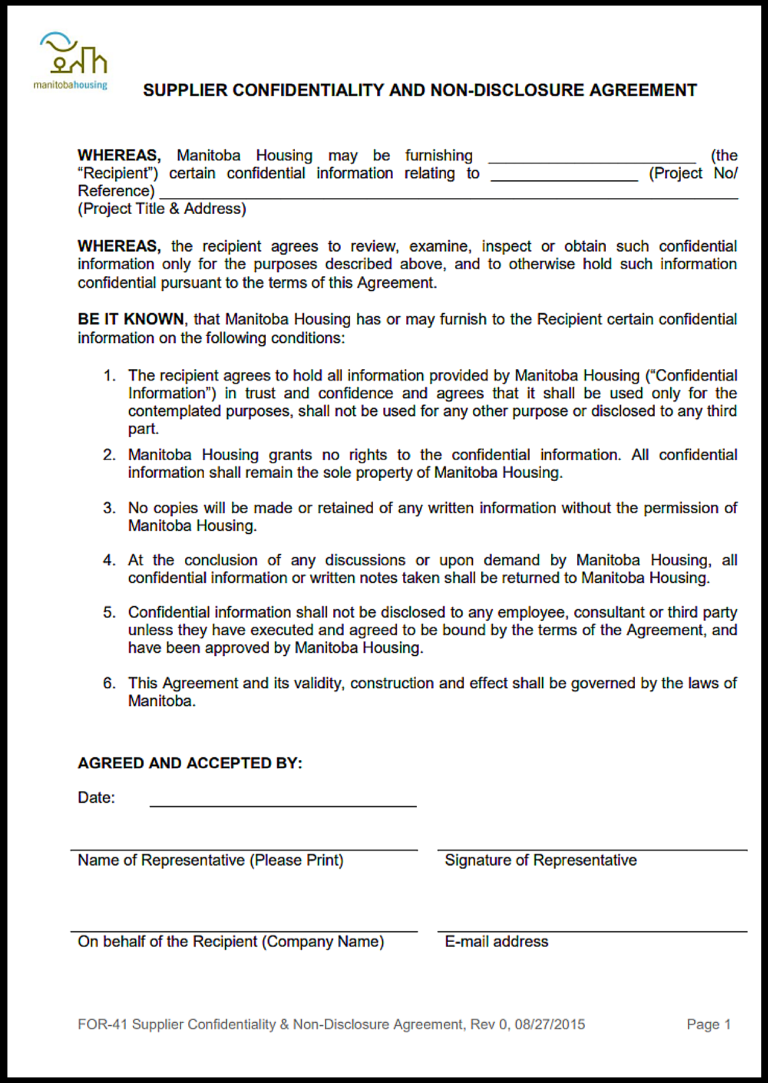
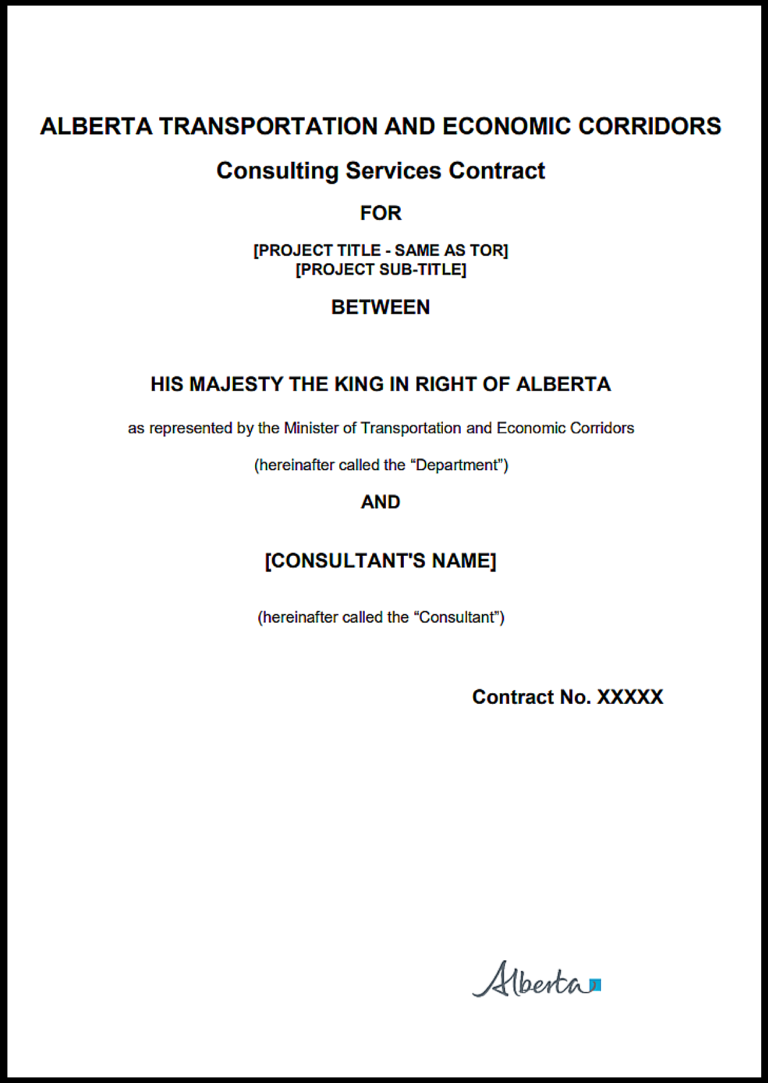
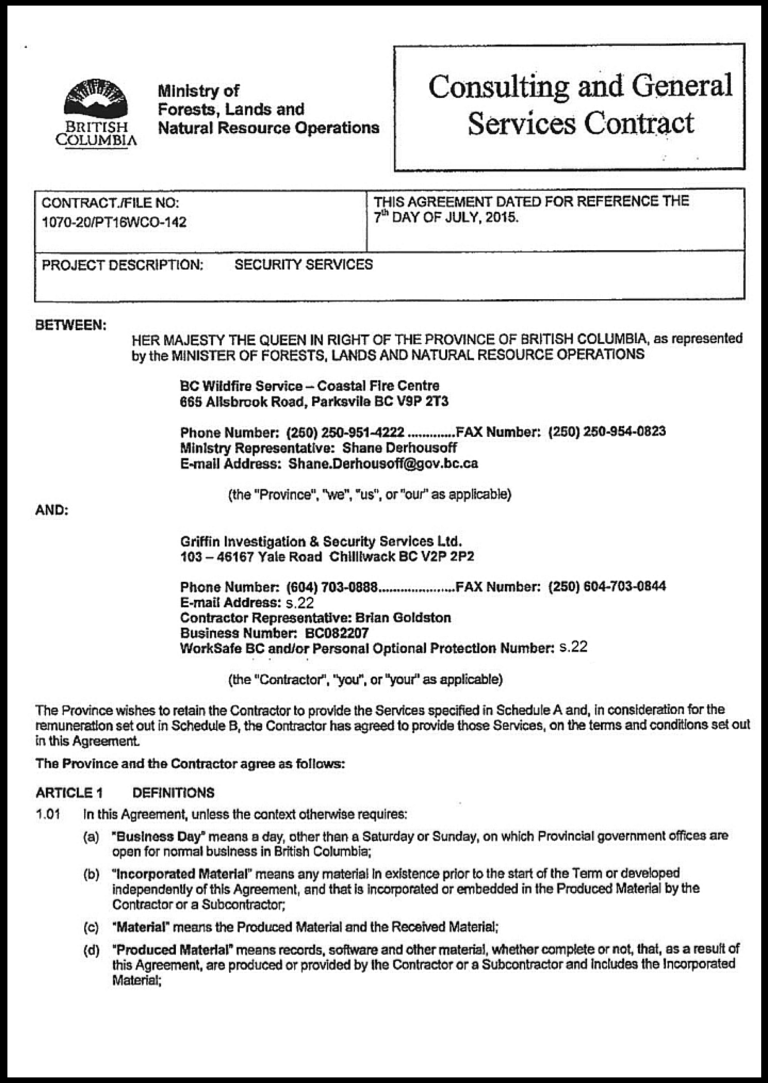
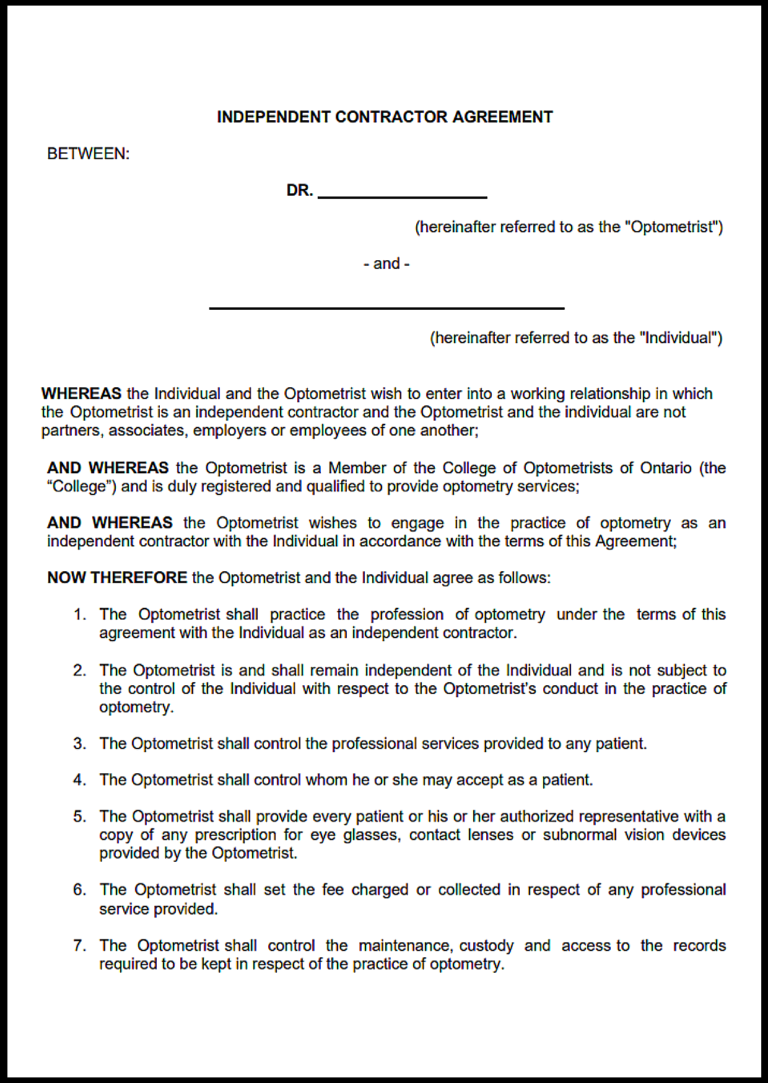
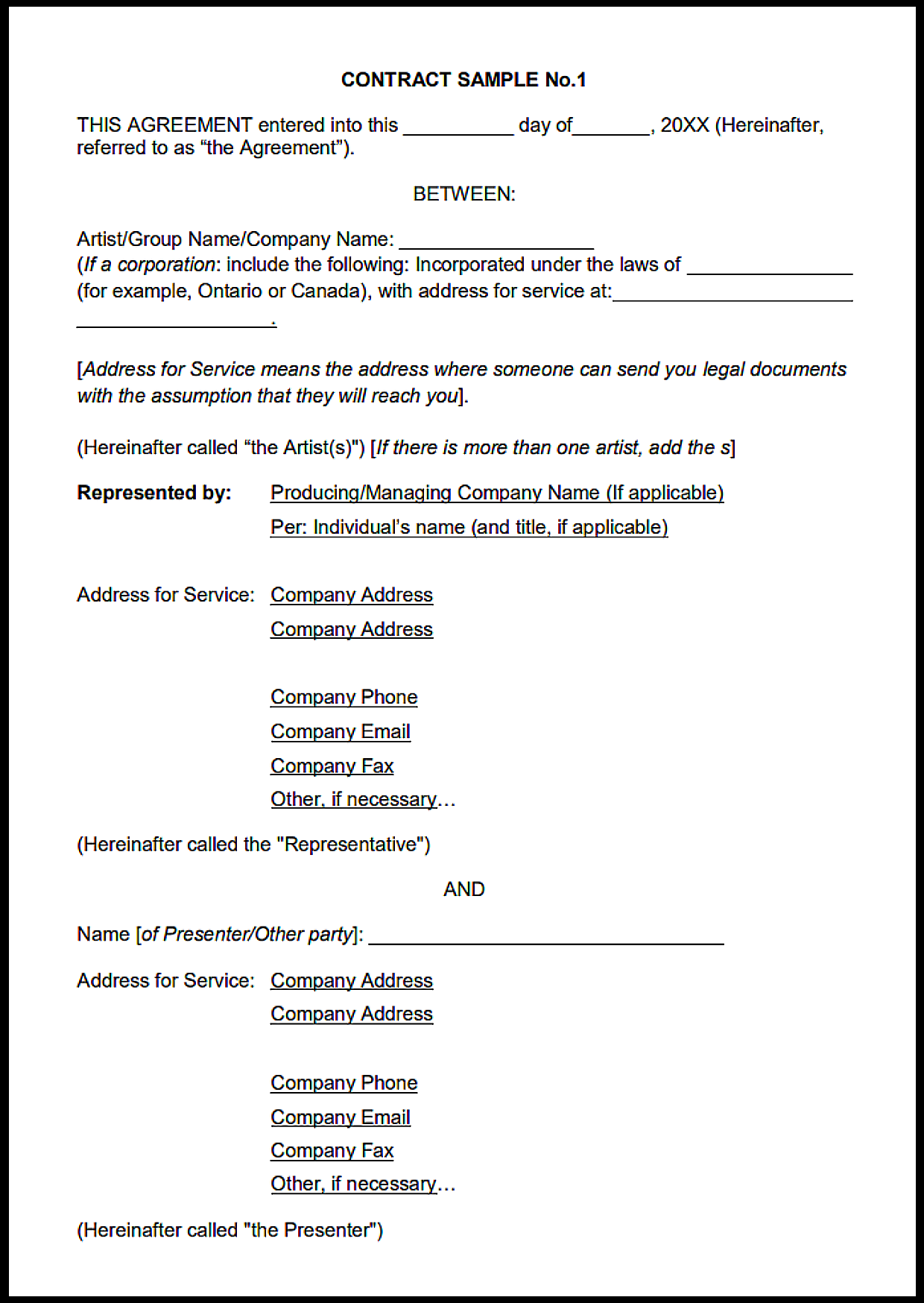
Free Ontario Contract Template
The template provided below is strictly engineered for commercial business-to-business (B2B) or independent service provider agreements under Ontario common law and relevant business statutes.
Ontario Contract Drafting Laws, Legal Requirements & Enforceability Rules
| Topic / Issue | Ontario Legal Rule | Governing Statute |
|---|---|---|
| Governing legislation | Ontario contract law is mainly based on common-law principles and specific statutory overlays. | Common Law (Judicial Precedent); Consumer Protection Act, 2002; Statute of Frauds, R.S.O. 1990, c. S.19 |
| Federal contract rules | Certain contracts may also be affected by federal legislation, depending on the parties, transaction, and subject matter. Federal rules can apply, for example, to interest or federally regulated businesses. | Canada Business Corporations Act; Interest Act |
| Recent procurement changes | The Buy Ontario Act, 2025 establishes a framework for Ontario public-sector procurement and authorizes directives that prioritize Ontario and Canadian goods and services. It is not a general requirement governing ordinary private contracts. | Buy Ontario Act, 2025, S.O. 2025, c. 27, Sched. 1; Buy Ontario Procurement Directive |
| Who can sign | An individual can sign a contract personally, while a corporation generally acts through an authorized representative or other person with authority to bind the corporation. | Business Corporations Act; Ontario common law |
| Witness requirement | An ordinary Ontario contract does not generally require a witness, although witnessing a signature can provide additional evidence about execution. | Ontario common law |
| Notarization | Most ordinary Ontario contracts do not require notarization. | Ontario common law |
| Age requirement | A person who is 18 or older is presumed capable of entering into a contract under Ontario’s Substitute Decisions Act, 1992, although contractual capacity can depend on the circumstances. | Age of Majority and Accountability Act; Substitute Decisions Act, 1992 |
| Mental capacity | A person aged 18 or older is presumed capable of entering into a contract unless there are reasonable grounds to believe the person is incapable of doing so. | Substitute Decisions Act, 1992 |
| Time limit to sue | The basic limitation period for many civil claims in Ontario is two years from when the claim is discovered, subject to statutory exceptions and other limitation rules. | Limitations Act, 2002, S.O. 2002, c. 24, Sched. B, ss. 4–5 |
| Consumer rescission notice | Certain consumer agreements, including specified “direct agreements” under the Consumer Protection Act, 2002, may carry statutory cancellation rights and requirements. The applicable period depends on the type of agreement and the Act’s requirements. | Consumer Protection Act, 2002 |
| Employment contract standards | Employment contracts must comply with Ontario minimum employment standards. | Employment Standards Act, 2000, S.O. 2000, c. 41 |
| French language rule | Ontario’s French Language Services Act primarily governs services provided by Ontario government agencies and other designated public-sector bodies. Language requirements for a private contract depend on the parties, transaction, and any other applicable legislation. | French Language Services Act; applicable legislation |
| Filing requirement | Most Ontario contracts are private documents and do not require government filing. | N/A |
| PPSA registration | Where a transaction creates a security interest in personal property, PPSA registration may be appropriate or necessary to protect the secured party’s priority against third parties. | Personal Property Security Act |
| Real estate registration | Certain transfers or interests in land must be registered to be effective against third parties or for other legal purposes; the registration requirements depend on the transaction and the interest being created or transferred. | Applicable Ontario land-registration legislation |
| Consideration requirement | A simple contract generally requires consideration to be enforceable at common law, although there are important exceptions and different rules can apply to deeds and other formal instruments. | Ontario Common Law |
| Statute of Frauds writing rule | Ontario’s Statute of Frauds contains specific writing requirements for certain land interests and certain promises concerning another person’s debt. The precise consequences of non-compliance depend on the type of transaction and the statutory provision involved. | Statute of Frauds, R.S.O. 1990, c. S.19 |
| Illegal contracts | A contract may be unenforceable where its purpose or performance is illegal, but the legal consequences depend on the nature of the illegality and the applicable statute or common-law rule. | Applicable Ontario and federal law |
| Seal versus consideration rule | A formal instrument executed as a deed can operate under different consideration rules from an ordinary simple contract, but whether a seal or deed is effective depends on the nature and execution of the document. | Ontario Common Law |
| Ontario limitation period difference | Ontario’s Limitations Act, 2002 establishes a basic two-year limitation period for many claims, measured from discovery and subject to statutory exceptions and other limitation rules. | Limitations Act, 2002 |
| Electronic signature restrictions | Electronic signatures generally satisfy legal signing requirements under Ontario’s Electronic Commerce Act, 2000, but the Act excludes certain documents and transactions, including wills, codicils, certain powers of attorney, certain land documents requiring registration, negotiable instruments, and prescribed documents. | Electronic Commerce Act, 2000 |
Consideration is an important common-law requirement for a simple contract. Usually, each side must provide or promise something of legal value, although Ontario law recognizes exceptions and formal instruments can operate under different rules. A gratuitous promise should therefore not be treated as enforceable merely because it is written down.
Ontario’s Statute of Frauds contains specific writing requirements for certain land interests and certain promises concerning another person’s debt. If a transaction falls within a statutory writing requirement and the required formalities are not met, enforceability may be affected. The consequences depend on the particular provision and circumstances.
Ontario’s Limitations Act, 2002 establishes a basic two-year limitation period for many claims, generally running from discovery. Other limitation rules and exceptions can apply, so a potential claimant should not assume that every contract dispute has exactly the same deadline.
These rules matter in real life because poorly drafted contracts often lead to payment disputes, unclear obligations, or expensive court battles later. Use the free Ontario contract template below as a starting point, and adapt it to the particular agreement and legal requirements that apply.
How to Write Contract Ontario?
What Makes a Contract Legally Valid in Ontario
A contract in Ontario generally requires agreement between the parties and must satisfy applicable contract-law requirements. Offer, acceptance, consideration and intention to create legal relations are important concepts, but enforceability can also depend on capacity, certainty, legality, misrepresentation, duress and other doctrines.
- Offer → One party clearly proposes something
- Acceptance → The other party agrees
- Consideration → Something of value is exchanged (money, service, etc.)
- Intention to create legal relations → Both sides intend it to be legally binding
If an essential requirement for the particular transaction is missing, enforceability may be affected, although the legal analysis depends on the circumstances and type of agreement.
Verbal vs Written Contracts
Yes, verbal contracts can be valid in Ontario.
But proving the exact terms of an oral agreement can be difficult.
Written contracts are safer because:
- They show clear terms
- They reduce misunderstandings
- They provide clearer evidence of what the parties agreed
In most business agreements, using a written contract is a practical way to record the parties’ obligations.
When You Should Use a Written Contract
A written contract is particularly useful where the parties need clear rules about scope, payment, deadlines, ownership, confidentiality, termination, or dispute resolution. The specific requirements depend on the transaction. Employment, consumer, secured-transaction, and land-related agreements can also be subject to additional Ontario or federal rules.
Real example:
A freelancer completes work but the client says, “This is not what I wanted.”
No written agreement = no clear scope = potential payment dispute.
A written contract setting out the deliverables, revision limits, payment terms, and deadlines can reduce that uncertainty.
If you are learning how to draft agreements, reviewing the [NDA template guide] can help you understand how legal clauses are structured in real documents.
Key Parts Every Ontario Contract Must Include
Clear Identification of Parties
You should clearly mention the full legal names and correct addresses of both parties. If a business is involved, identify the correct legal entity and, where appropriate, the person signing on its behalf. This helps avoid confusion about who is responsible under the agreement.
Scope of Work or Agreement Details
Explain exactly what the contract is about. Clearly describe what work will be done, what is included, and what is not included. Always be specific here because vague wording can lead to misunderstandings and disputes later.
Payment Terms
State all payment details clearly, including currency, calculation methods, and payment milestones.
If a written contract states interest as a daily, weekly, monthly, or other sub-annual rate, section 4 of the federal Interest Act generally requires an express statement of the equivalent yearly rate to recover interest above 5% per annum, subject to the Act’s exceptions.
The federal Criminal Code also contains rules concerning agreements or arrangements that provide for a criminal rate of interest. Section 347 defines the criminal rate as an annual percentage rate exceeding 35% on the credit advanced, with the calculation governed by the federal rules. It should not be treated as a blanket 35% cap on every contractual late fee.
Timeline and Deadlines
Include the start date, end date, and any important milestones if required. A clear timeline keeps the work on track and helps both sides stay accountable.
Termination Clause
Define clear exit protocols, including termination for convenience and termination for default where appropriate.
For commercial or independent-contractor agreements, the parties can generally negotiate a termination period, subject to the contract’s terms and applicable law. There is no universal Ontario rule requiring or approving a 7-to-14-day notice period for every such agreement.
Employment contracts are different. Employment termination clauses must comply with the minimum standards in Ontario’s Employment Standards Act, 2000. In Waksdale v. Swegon North America Inc., 2020 ONCA 391, the Court of Appeal held the termination provisions in that employment agreement unenforceable where the “with cause” provision could contravene the ESA, but the effect of a particular termination clause depends on its wording and circumstances.
Legal Clauses (Important in Ontario)
Add essential legal clauses like governing law (Ontario) and the dispute resolution method where appropriate. These clauses can help clarify which laws the parties intend to apply and how disagreements will be handled.
Quick Summary Table
| Element | Why It Matters |
| Parties |
Identifies who is responsible
|
| Scope |
Prevents confusion about work
|
| Payment |
Avoids money disputes
|
| Timeline |
Keeps work on track
|
| Termination |
Defines exit rules
|
| Legal clauses |
Helps clarify governing law and dispute procedures
|
Step-by-Step: How to Write a Contract
Step 1 – Define the Purpose Clearly
Start with a simple sentence:
“This contract is for…”
Example:
“This contract is for website design services.”
Step 2 – Add All Important Terms
Include:
- Scope of work
- Payment details
- Timeline
- Responsibilities
Think: “What could go wrong?” Then cover it.
Step 3 – Use Simple, Clear Language
Avoid unnecessary legal jargon.
Instead of:
“Hereinafter referred to as…”
Write:
“From now on, we will call…”
Step 4 – Include Legal Protection Clauses
Consider adding:
- Governing law (Ontario)
- Dispute resolution
- Termination clause
These clauses can clarify the parties’ rights and obligations, but they cannot override mandatory statutory requirements.
Step 5 – Review and Sign Properly
Before signing:
- Read everything carefully
- Fix unclear terms
- Ensure both parties clearly agree to the final terms
Electronic signatures are generally recognized in Ontario, so many contracts can be signed electronically. However, the Electronic Commerce Act excludes certain documents and transactions, so the specific document should be checked before relying on an electronic signature.
This article is closely related to documents like a [service agreement format] and a [consulting contract], which follow similar legal drafting principles.
Common Mistakes That Can Make Your Contract Invalid
Contract disputes often begin with unclear terms, missing essential details, or clauses that conflict with mandatory law. Not every drafting mistake makes a contract invalid, so the exact effect depends on the agreement and applicable legal rules.
- Missing key terms
- Vague language
- Failing to record clear evidence that both parties agreed to the terms
- Illegal or unenforceable clauses
- Copy-paste templates without editing
Important warning: Courts may reject or refuse to enforce particular terms where they are unclear, unlawful, or otherwise unenforceable.
Ontario-Specific Rules You Should Know
An Ontario contract may include a governing-law clause selecting Ontario law, but the applicable law can also depend on the parties, transaction, mandatory legislation, and conflict-of-laws rules. A governing-law clause can help clarify the parties’ intended legal framework.
Some transactions are subject to specific statutory writing or execution requirements. For example, Ontario’s Statute of Frauds addresses certain interests in land and certain promises concerning another person’s debt. Other statutes may impose additional formalities for particular transactions.
In some situations, consumer protection laws may also apply, especially when dealing with consumers. These laws can affect cancellation rights and the terms that a supplier may include in a consumer agreement.
Electronic signatures are generally recognized in Ontario, so many contracts can be signed electronically. However, the Electronic Commerce Act excludes certain documents and transactions, so the specific document should be checked before relying on an electronic signature.
Note: Always check whether your specific type of contract has any special legal requirements before finalizing it.
Real-Life Example
A freelancer agrees in writing to design a logo for $500, with one revision included and additional revisions billed separately.
The contract also states when payment is due and what happens if the client requests work outside the agreed scope.
Those details do not guarantee that no dispute will occur, but they give both parties clearer evidence of what they agreed to.
Can You Write a Contract Without a Lawyer?
Yes, for a straightforward agreement, a template may be a useful starting point.
But you should consult a lawyer if:
- The contract involves large amounts of money
- It’s a complex business deal
- There are multiple parties involved
- The agreement involves employment, real estate, regulated activities, significant intellectual property, or other high-risk issues
For a straightforward agreement, a template may be a useful starting point. For a high-value, unusual, regulated, employment, real-estate, consumer, or otherwise high-risk transaction, professional legal advice may be appropriate.
Frequently Asked Questions
Is a handwritten contract valid in Ontario?
Yes. A handwritten agreement can be legally binding if the parties have reached an enforceable agreement and any required formalities for that particular transaction are satisfied. A signature is strong evidence of assent, but it is not an absolute requirement for every contract.
Do contracts need to be notarized in Ontario?
No. Most ordinary contracts do not need notarization to be valid. Certain documents or transactions may have separate witnessing, commissioning, notarization, or registration requirements, so the specific document should be checked.
What happens if someone breaks a contract?
The other party may have legal remedies depending on the agreement and circumstances, including:
- Claim damages (money)
- Take legal action
- Seek enforcement or another available remedy through the appropriate court or process
The remedy available depends on the type of breach, the contract terms, and applicable law.
Can I edit a contract after signing?
The parties can generally amend a contract by mutual agreement, subject to any amendment requirements already contained in the contract and any applicable law. Putting the amendment in writing and having the parties sign it is strongly recommended.
Are online templates legally safe?
An online template can be a useful starting point, but it is not automatically suitable or legally sufficient for every transaction. It should be adapted to the parties, transaction, and applicable Ontario and federal requirements.
Never use a template without checking that its terms actually match the transaction.