What is Estate Planning Canada? Complete Guide
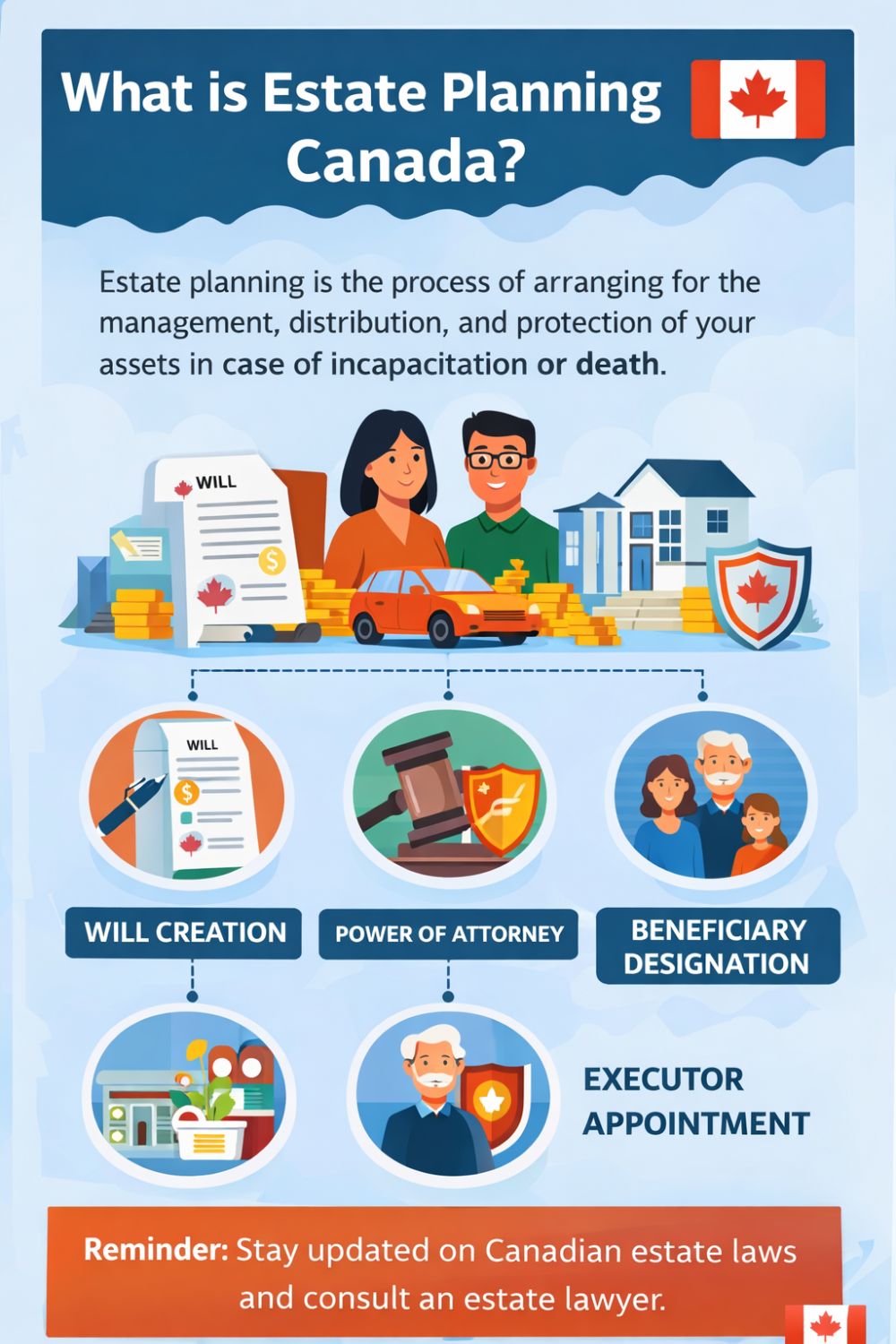
What is Estate Planning Canada? It means making a simple plan for your assets, family, and decisions if something happens to you. This includes both death and incapacity planning.
In Canada, especially in Ontario, estate planning is very important because laws decide things for you if you don’t plan. Under Ontario law, your assets may be distributed based on legal rules instead of your personal wishes.
I have seen families across Canada face long delays, unexpected legal costs, and emotional disputes simply because no proper estate plan was prepared ahead of time. In my experience helping people with these documents, many assume estate planning is only for wealthy Canadians, but even basic assets and family responsibilities can create serious problems when nothing is clearly documented.
Estate planning helps you:
- Protect your family
- Avoid legal disputes
- Reduce taxes and delays
- Make sure your wishes are followed
It is not only for rich people. Even basic savings, property, or responsibilities require planning.
Federal Estate Planning and Tax Rules in Canada
| Topic / Issue | Canada Legal Rule | Governing Statute |
|---|---|---|
| Governing legislation | Estate planning in Canada follows both federal tax law and provincial estate law. Provincial law controls document validity, while federal law controls estate taxation. | Income Tax Act and provincial succession legislation |
| Federal tax authority | The Income Tax Act governs taxation of estates, including deemed disposition of assets at death. | Income Tax Act |
| Provincial authority | Provinces control the legal validity of wills and estate documents. | Provincial succession legislation |
| Jurisdiction type | Estate planning in Canada is governed by both federal and provincial law. | Federal and provincial jurisdiction |
| Capital gains amendment | Effective June 25, 2024, the capital gains inclusion rate for trusts and estates increased from 50% to 66.67%. | Income Tax Act amendments |
| Signing requirements | Federal law does not control who can sign a will or POA. These rules depend on provincial law. | N/A |
| Witness requirements | Federal law does not set witness rules for wills or POAs. Provincial law applies. | N/A |
| Notarization | Federal law does not require notarization for estate planning documents. | N/A |
| Age and capacity rules | Federal law does not set age or mental capacity requirements for wills or POAs. | N/A |
| Final tax return deadline | The final tax return must be filed by April 30 of the year after death, or within 6 months after death, whichever is later. | Income Tax Act, s. 150(1) |
| Mandatory wording | Federal law does not require mandatory wording for wills or POAs. | Income Tax Act |
| Spousal rollover clauses | Clear wording for spousal rollovers may be necessary to preserve tax-deferred treatment. | Income Tax Act, s. 70(6) |
| Qualified Disability Trust clauses | Specific wording may be needed to qualify for certain disability trust tax benefits. | Income Tax Act, s. 122 |
| Federal registration requirement | There is no federal registry for wills in Canada. | N/A |
| CRA Clearance Certificate | Executors should apply for a CRA Clearance Certificate before distributing estate assets. | Income Tax Act, s. 159(2) |
| Purpose of Clearance Certificate | The certificate confirms all federal taxes have been paid before estate distribution. | Income Tax Act, s. 159(2) |
| Deemed disposition rule | At death, capital property is treated as sold at fair market value immediately before death. | Income Tax Act, s. 70(5) |
| RRSP/RRIF beneficiary risk | Naming a non-qualified survivor may trigger full taxation of RRSP or RRIF funds in the year of death. | Income Tax Act, s. 146(8.8) |
| Invalid will impact | If a will is invalid under provincial law, federal tax planning strategies may fail. | Provincial law and Income Tax Act |
| Common-law partner differences | Federal tax rollover rules apply to common-law partners, but inheritance rights still depend on provincial law. | Income Tax Act and provincial succession laws |
| Probate fee impact | Probate fees differ between provinces and are generally not deductible against estate income taxes. | Provincial probate laws and Income Tax Act |
One of the most important things many Canadians do not realize is that estate planning is controlled by both federal and provincial law at the same time. Provincial law decides whether your will or Power of Attorney is legally valid, while federal tax law decides how much tax your estate may owe after death. This becomes especially important because Canada’s deemed disposition rule treats most assets as if they were sold immediately before death. If families do not prepare properly, large tax bills can appear unexpectedly and reduce the value of the estate significantly.
Another important rule is the CRA Clearance Certificate requirement. Many executors distribute money to beneficiaries too early without realizing they can become personally responsible for unpaid taxes later. That mistake can create serious financial problems for the person handling the estate.
The updated capital gains inclusion rate is also a major change affecting trusts and estates in Canada. Even simple estate plans should now consider future tax exposure more carefully than before.
Download the free estate planning checklist template to help organize your documents and avoid costly mistakes later.
What Estate Planning Means in Canada
Estate planning simply means preparing for the future. It covers your money, property, healthcare decisions, and family protection. In most estate planning situations, people create documents like a will and Power of Attorney to avoid confusion later.
It is important to understand that estate planning is not only about death. It also covers situations where someone becomes incapable due to illness or accident. A Power of Attorney allows another person to manage finances or healthcare decisions in such cases.
For example, if someone becomes unconscious and has no plan, their family may need court approval to make decisions. This causes delays and stress. A simple plan avoids this problem and gives clear authority to trusted people.
Why Estate Planning is Important in Ontario
In Ontario, if you die without a will, your estate is handled under the Succession Law Reform Act. This means the government decides how your assets are divided.
This situation is called intestacy. It can create serious issues for families. Your spouse may not receive everything, and children may receive assets at a young age.
Estate planning helps you stay in control. It ensures your assets go to the right people and reduces stress for your loved ones. It also helps avoid court delays and unnecessary legal costs.
For example, if a person dies without a will in Ontario, their estate may be divided between spouse and children based on fixed legal rules, not personal wishes. This often leads to confusion and disputes.
Key Documents Included in Estate Planning (Ontario Focus)
Last Will and Testament
A will is a legal document that explains how your assets will be distributed after death. It also names an executor who manages your estate.
Without a will, your wishes are not guaranteed, and the court may appoint someone to handle your estate.
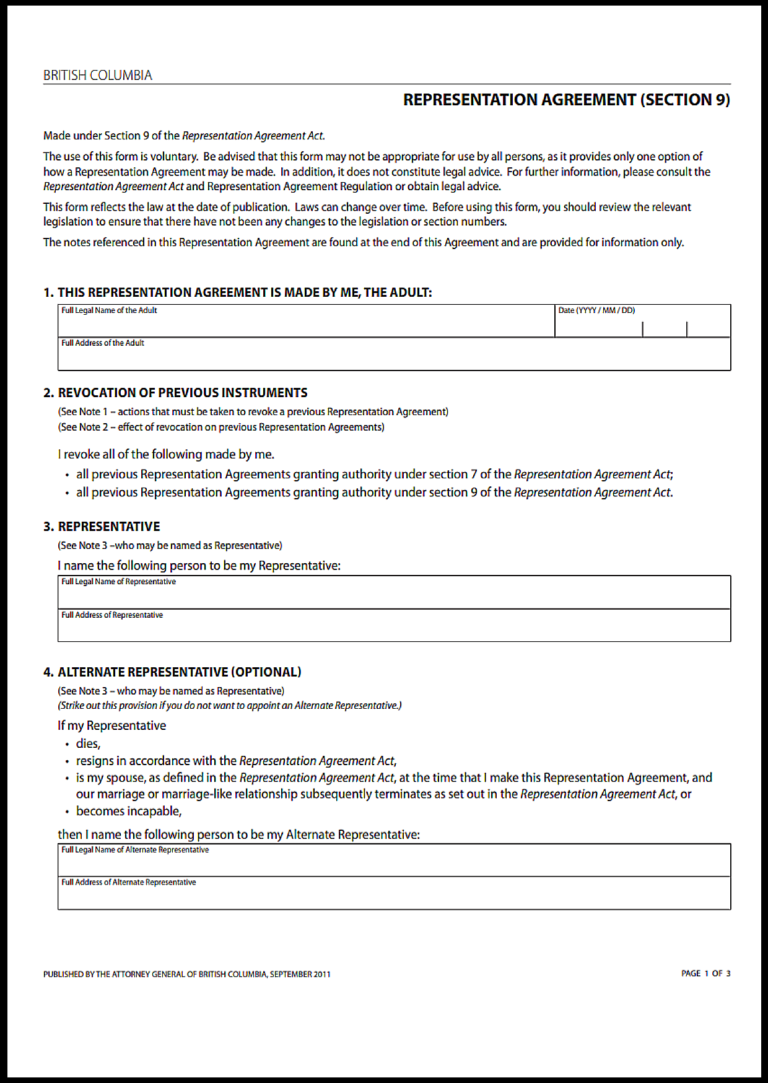
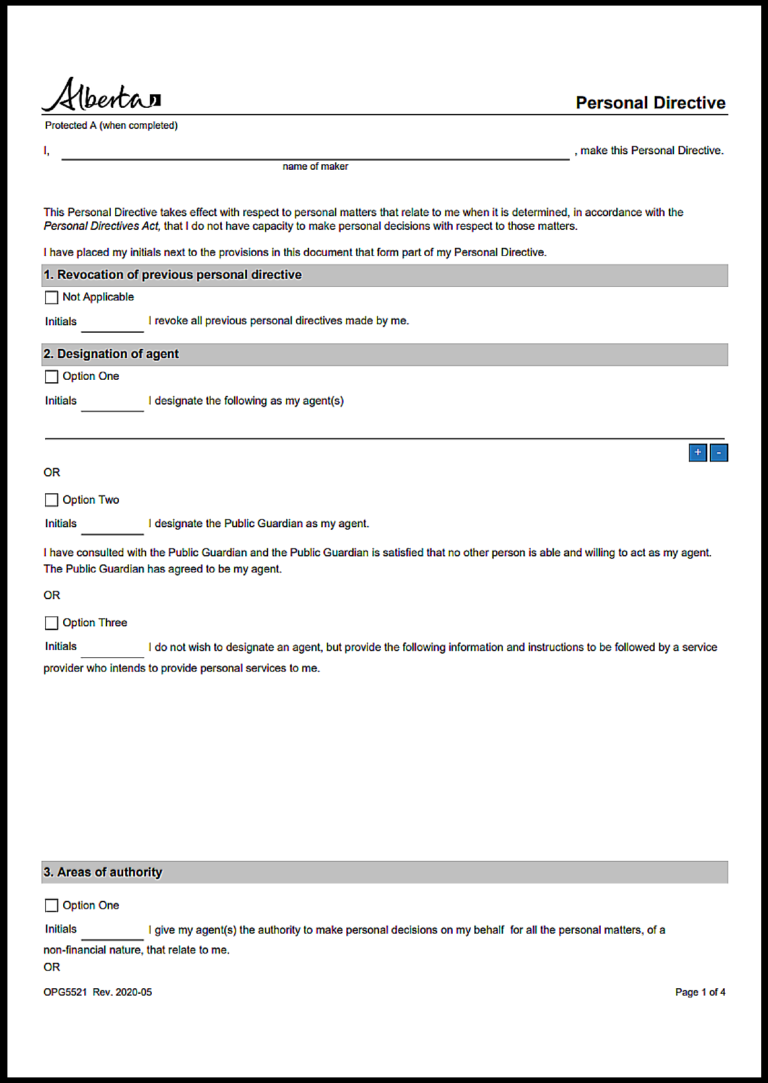
Power of Attorney for Property
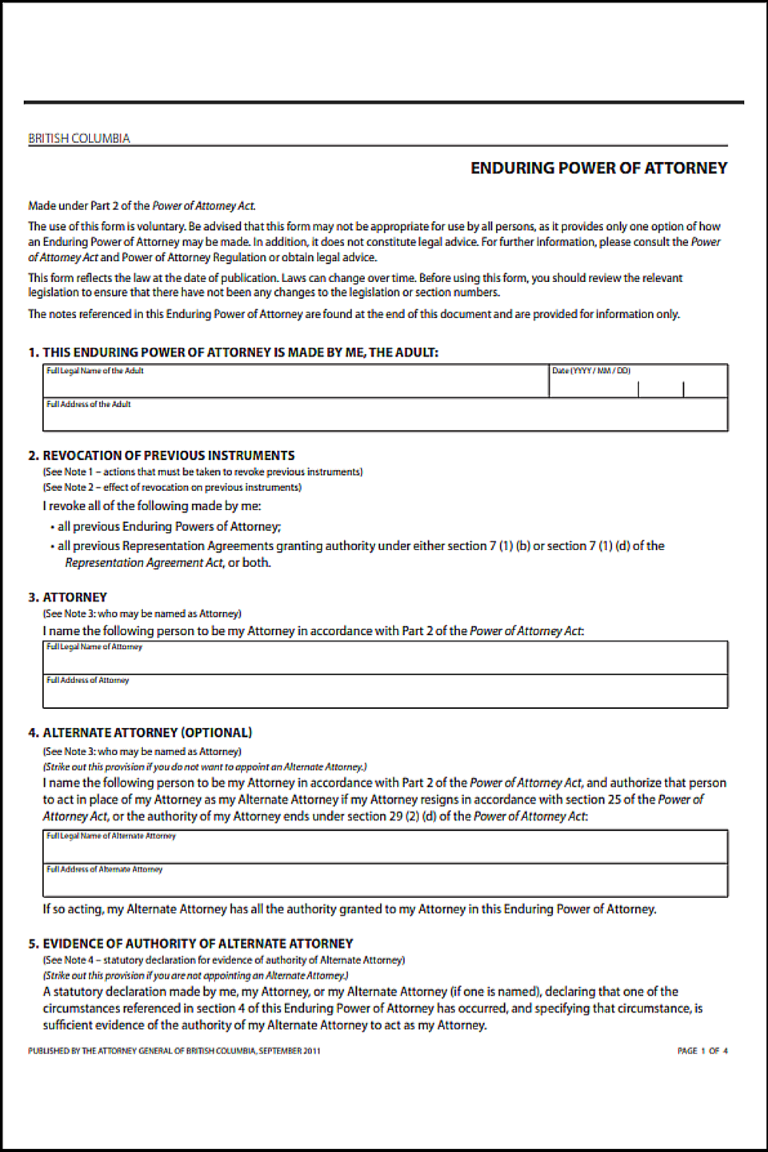
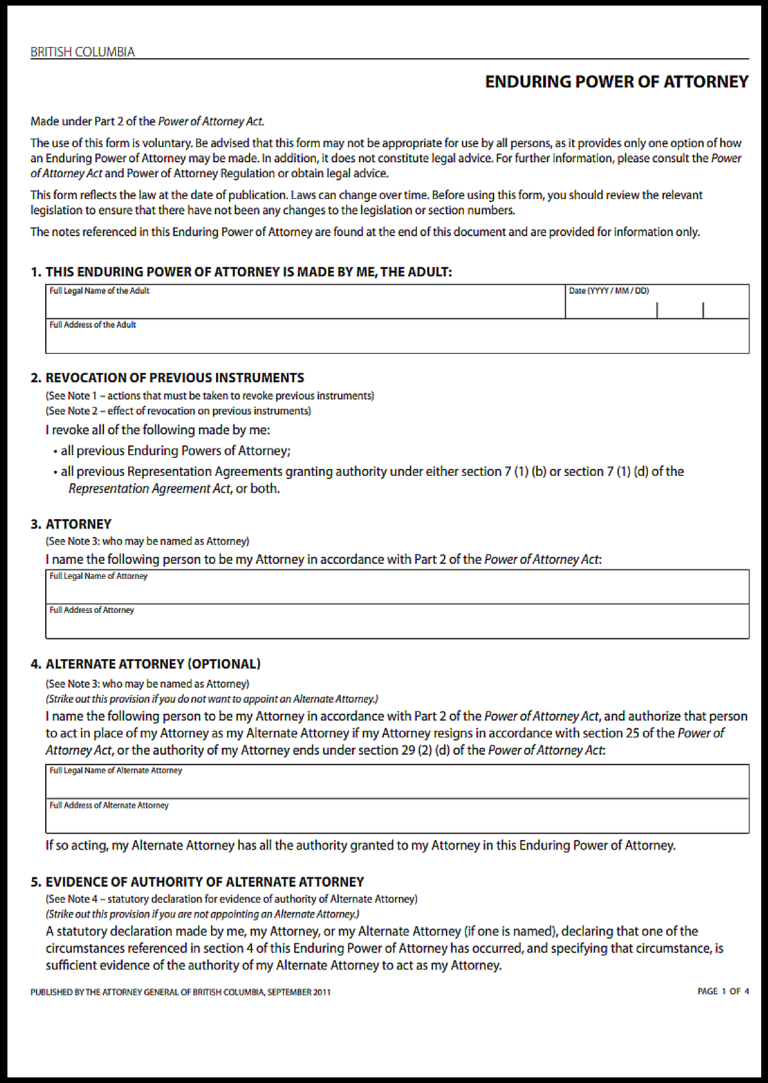
A Power of Attorney for Property allows someone to manage your financial matters if you become incapable. Under the Substitute Decisions Act, 1992, this person can handle banking, investments, and bills.
This document is very important because incapacity can happen at any age due to accidents or illness.
Power of Attorney for Personal Care
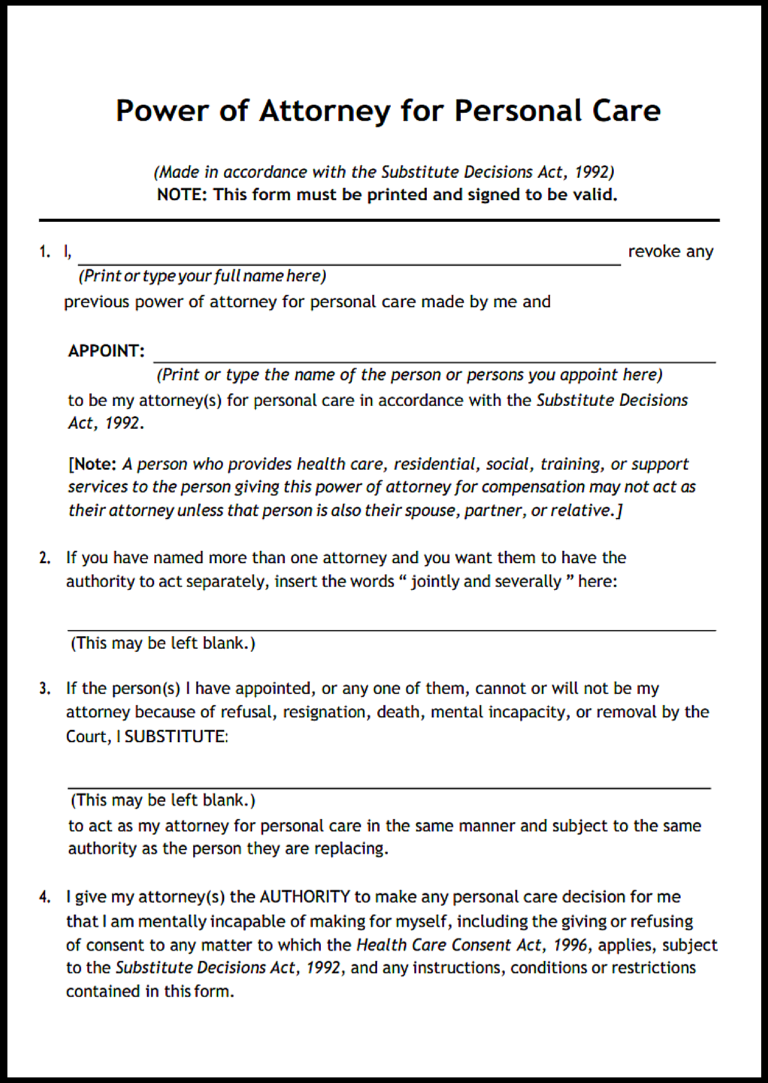
This document allows someone to make healthcare decisions for you. It applies only when you are not able to make decisions yourself.
It includes choices about treatment, care, and living arrangements.
Living Will / Advance Care Directive
A living will explains your medical wishes, especially for end-of-life care. It helps doctors and family understand what you want in serious situations.
Trusts (Optional)
Trusts are used in more advanced cases. They help manage assets for minor children or reduce taxes. Not everyone needs a trust, but they are useful for complex estates.
How Estate Planning Works in Canada (Step-by-Step)
Estate planning can be done step by step in a simple way. First, you list all your assets and debts, including property, savings, and loans. Then you decide who should receive your assets and who will manage your estate.
After that, you appoint important people such as an executor and Power of Attorney. These people will handle your affairs if needed.
Finally, you prepare legal documents and review them regularly. It is important to update your plan every few years or after major life changes.
Legal Rules for Estate Planning in Ontario
Under Ontario law, there are clear rules for valid estate planning documents. You must be at least 18 years old and mentally capable when creating a will or Power of Attorney.
A will must be signed in front of two witnesses, and those witnesses cannot be beneficiaries. If these rules are not followed, the will may be invalid.
Power of Attorney documents must also follow proper legal formats. If someone becomes incapable without a POA, the court may appoint a guardian, which takes time and money.
Probate is another important part. It is a legal process where the court confirms the validity of a will. This process may include fees and delays.
What Happens If You Don’t Have an Estate Plan in Canada
If you don’t have an estate plan, the government decides everything. This often creates problems for families.
For example, a person dies without a will in Ontario. Their assets are divided according to legal rules, not personal wishes. This may lead to disputes between family members.
There can also be delays in accessing funds, which affects daily expenses. In some cases, higher taxes and legal costs may apply.
Overall, not having a plan creates stress, confusion, and financial burden for your loved ones.
Common Mistakes to Avoid in Estate Planning
Many people make simple mistakes that cause major issues later. One common mistake is not updating a will after marriage or divorce. Life changes should always be reflected in your estate plan.
Choosing the wrong executor is another issue. This person should be responsible and trustworthy. Ignoring digital assets like online accounts is also a growing problem.
Some people rely only on DIY templates without understanding legal rules. This can make documents invalid.
Estate Planning vs Will
Many people think estate planning and a will are the same, but they are different. Estate planning is a complete strategy, while a will is only one part of it.
| Feature | Estate Planning | Will |
| Scope | Full financial + legal plan |
Asset distribution only
|
| Includes POA | Yes | No |
| Covers incapacity | Yes | No |
| Complexity | High | Basic |
Tax and Financial Considerations in Canada
Estate planning also includes financial planning. In Canada, there may be capital gains tax when a person dies. This can affect property and investments.
Probate fees are also charged in Ontario, which can reduce the value of the estate. Registered accounts like RRSP or RRIF may be taxed if beneficiaries are not properly named.
Planning ahead helps reduce these costs and ensures smoother transfer of assets.
When Should You Start Estate Planning?
Estate planning should start as early as possible. In most estate planning situations, it is recommended to begin once you turn 18.
It becomes even more important after major life events like marriage, having children, buying property, or starting a business.
Starting early gives you more control and reduces future risks.
FAQs
Is estate planning only for wealthy people?
No, estate planning is important for everyone. It helps manage your assets, protect your family, and plan for future responsibilities.
Is a will enough in Ontario?
No, a will is not enough on its own. It only covers what happens after death and does not help in situations like illness or incapacity.
Do I need a lawyer for estate planning in Canada?
No, you can start with simple templates. However, for complex assets or family situations, taking help from a lawyer is a good idea.
How often should I update my estate plan?
You should review and update your estate plan every 3–5 years or after major life changes like marriage, divorce, or having children.
Is estate planning legally required in Canada?
No, estate planning is not legally required. But it is strongly recommended to avoid future legal and financial problems.