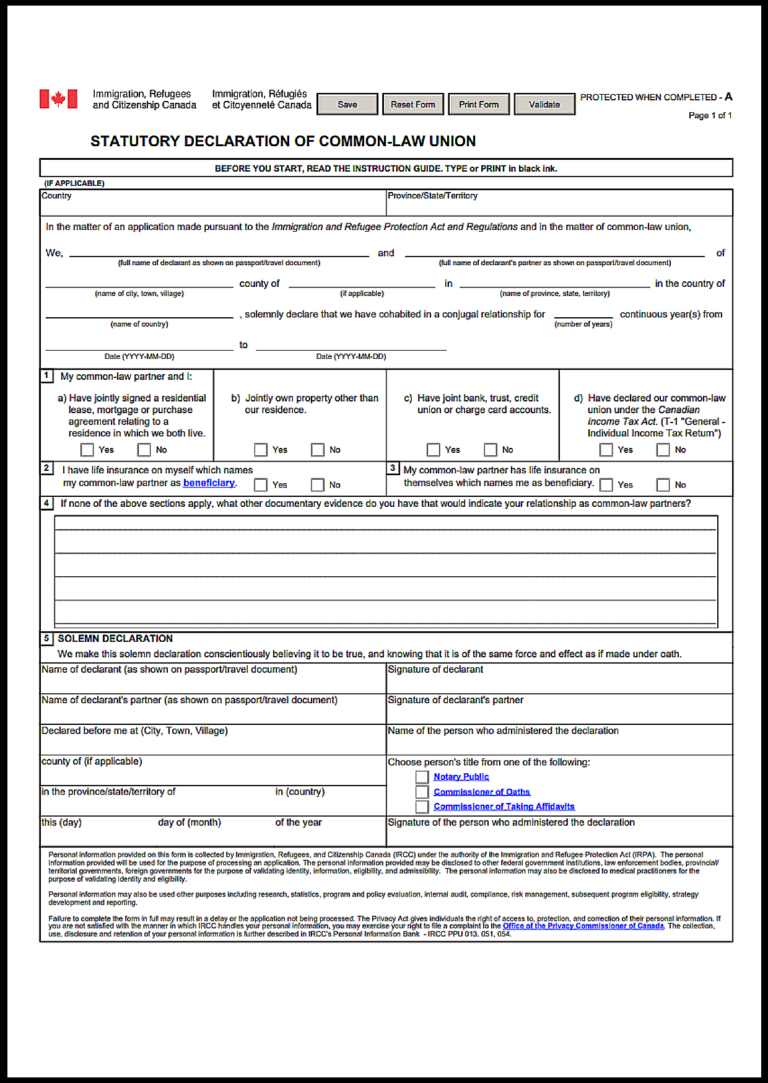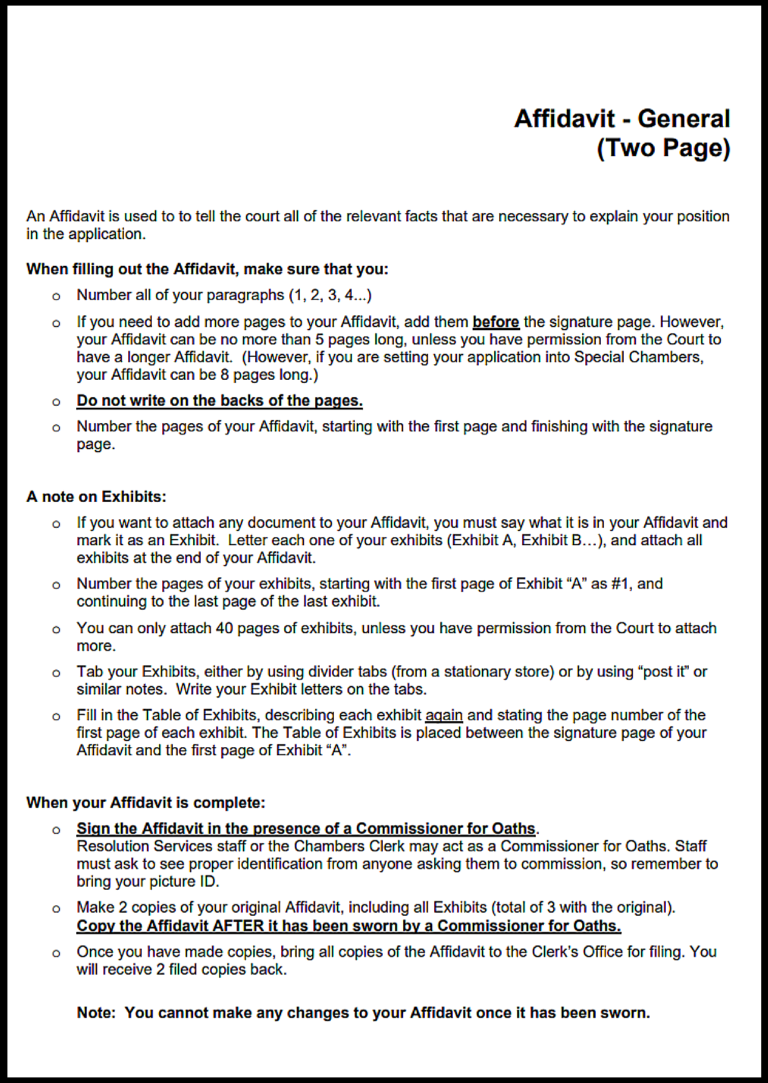
Notarizing Affidavit Ontario: A Complete Legal Guide
Notarizing Affidavit Ontario is the process of officially verifying your sworn statement so it can be accepted by courts, government offices, and legal authorities. In Ontario, an affidavit is not valid unless it is properly sworn or affirmed before an authorized person.
I’ve seen many Ontario affidavits rejected because people signed them before meeting with the notary or commissioner, not realizing the oath must be witnessed properly under Ontario law. When clients come to me stressed about court deadlines or immigration filings, it’s usually because no one explained that even a small notarization mistake can delay or weaken their case.
If you are filing documents for court, immigration, or property matters, notarization gives your affidavit legal weight and credibility.
In this article, you’ll get:
- A free Ontario affidavit template (notarized version)
- A clear explanation of how notarization works
- A step-by-step process
- Common mistakes that can invalidate your affidavit
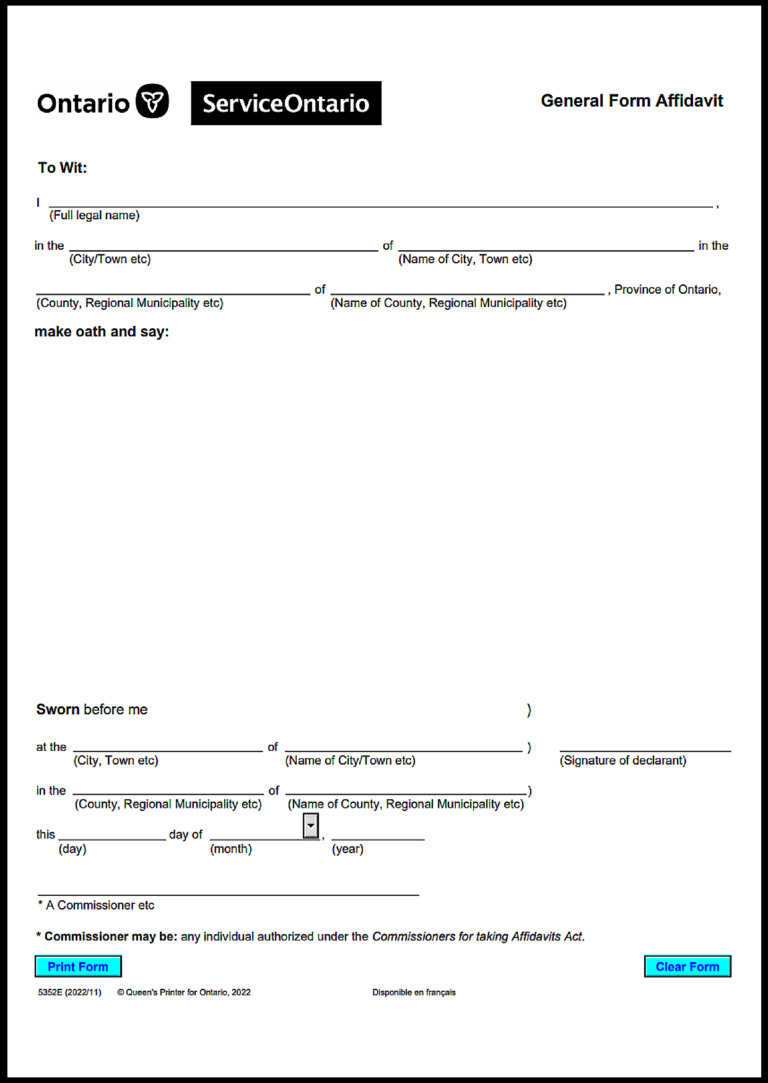
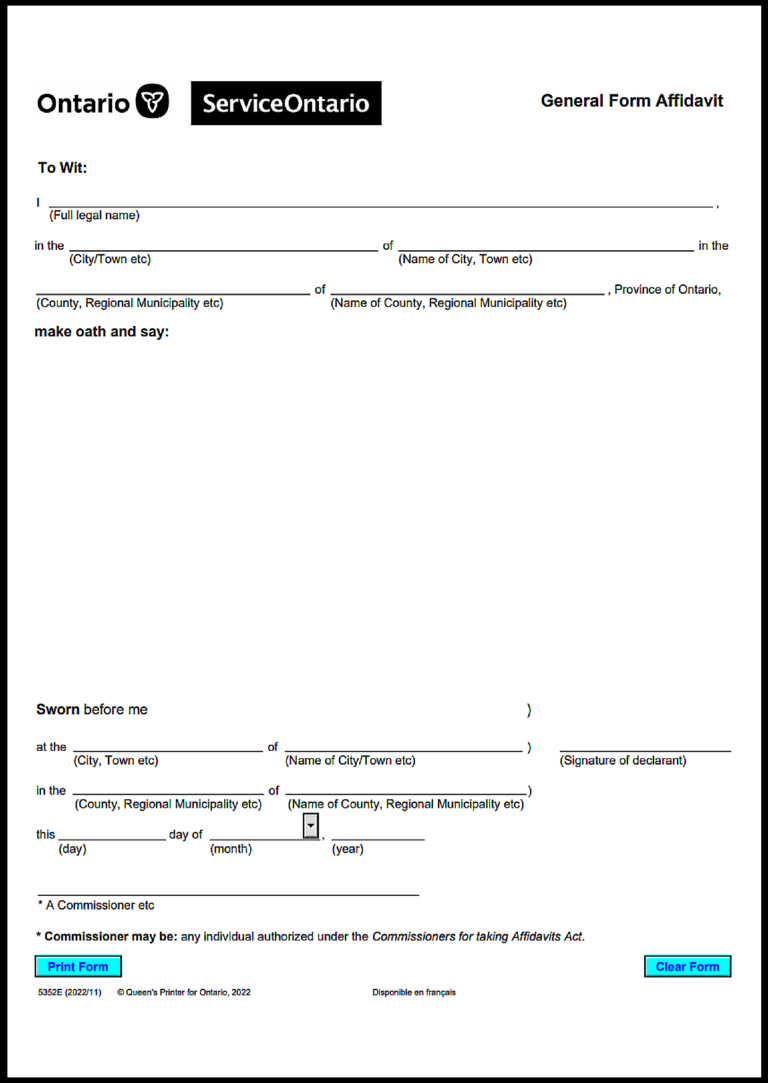
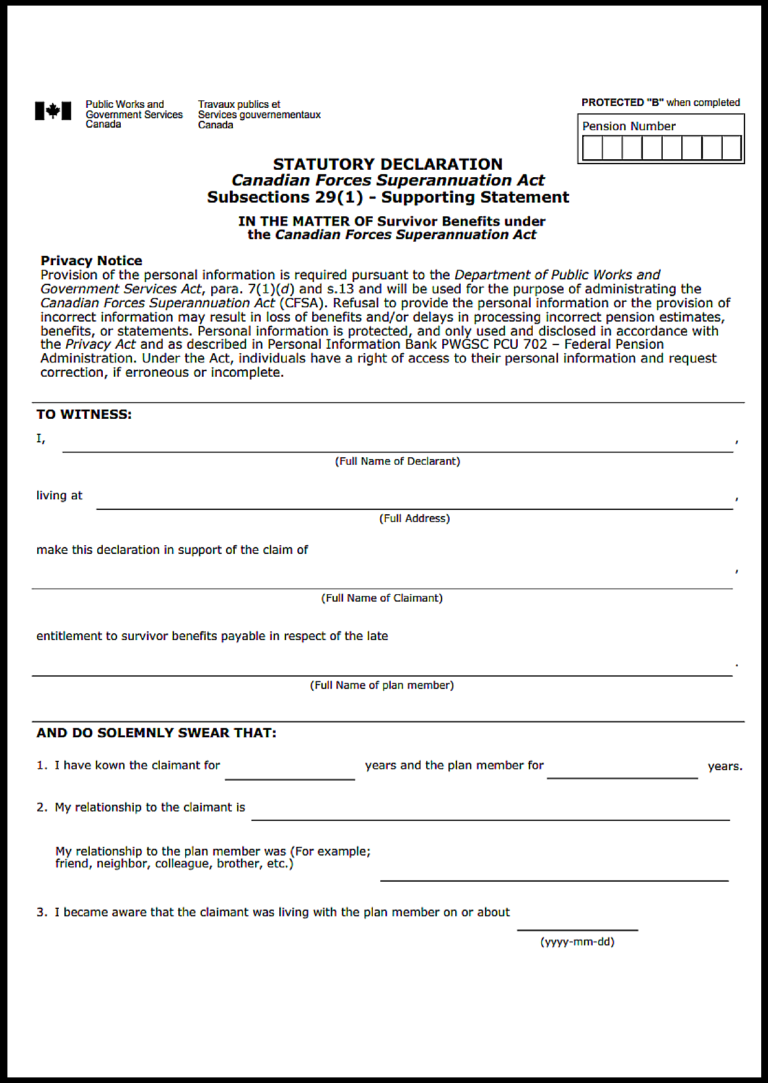
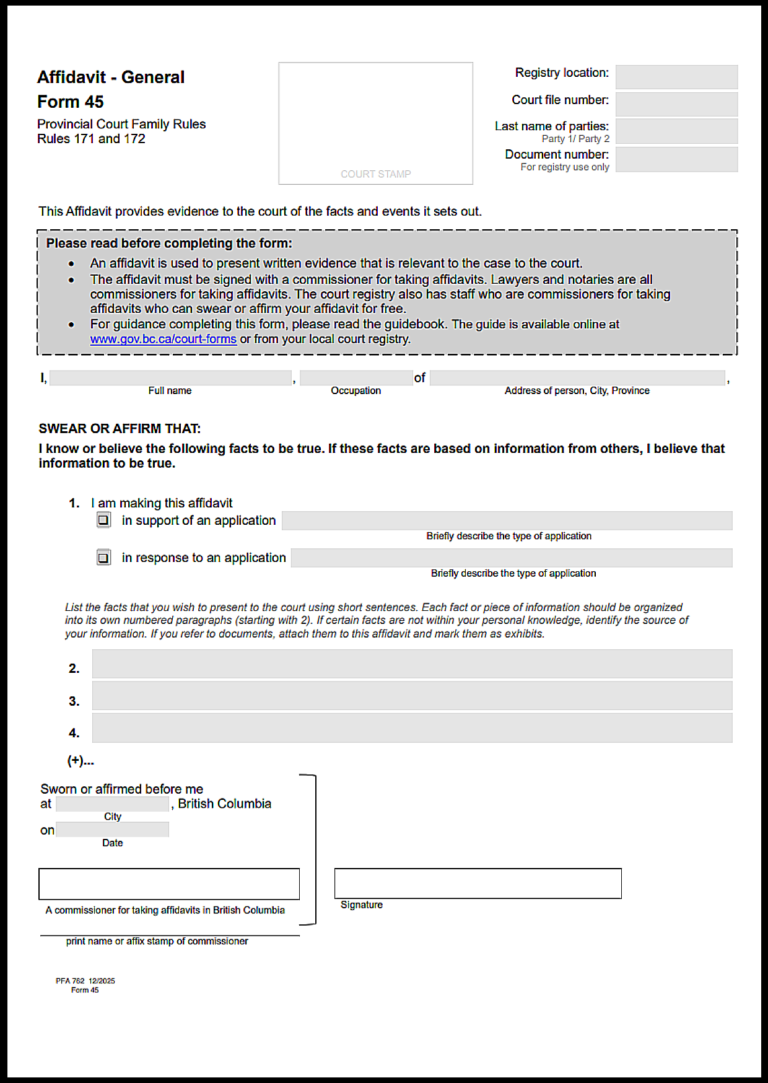
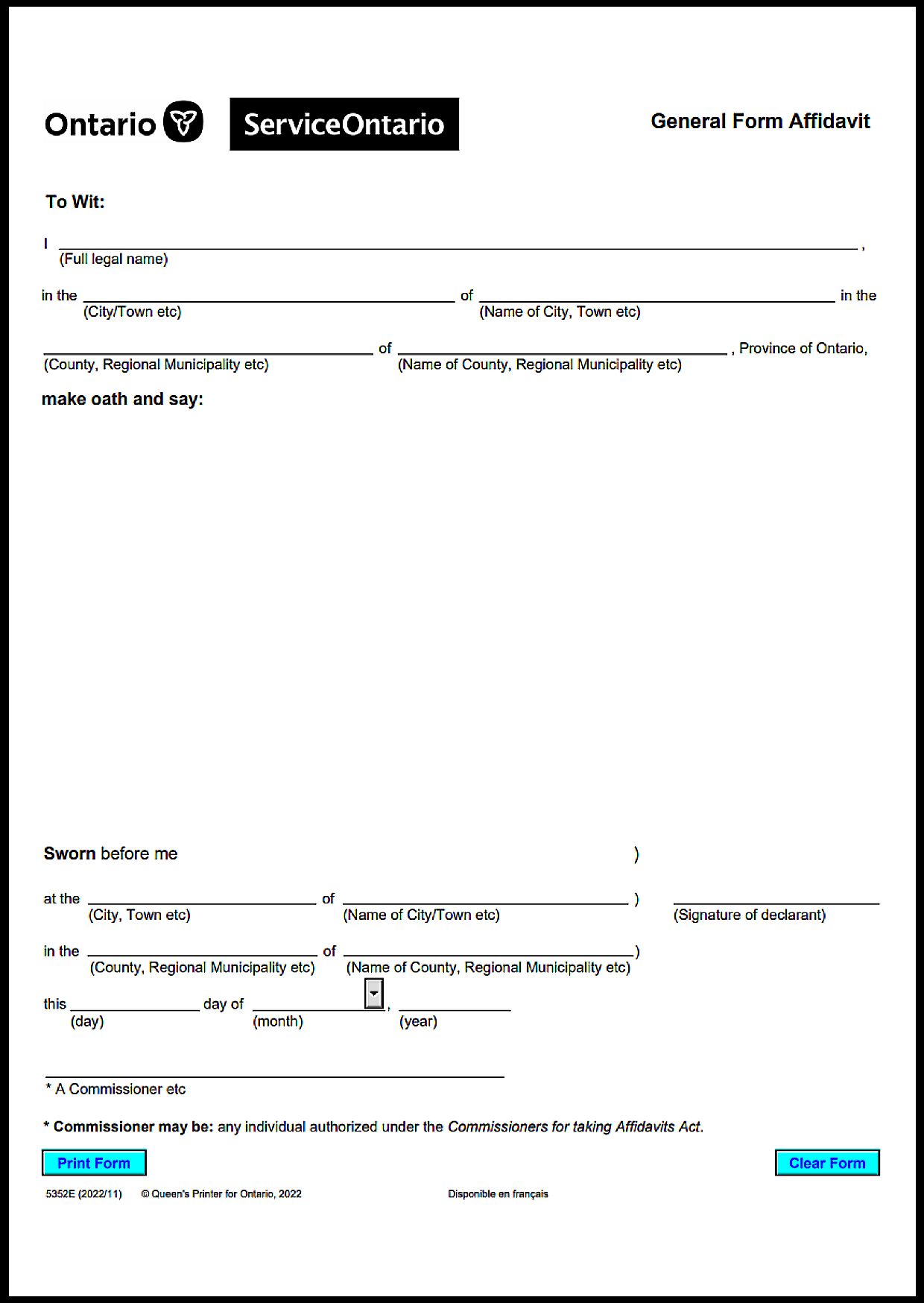
Free Notarizing Affidavit Template (Ontario)
Below is a simple, legally accepted format you can use in most affidavit situations in Ontario.
Ontario Notarization Laws and Affidavit Validation Rules
| Topic / Issue | Ontario Legal Rule | Governing Statute |
|---|---|---|
| Primary Ontario affidavit laws | Affidavits in Ontario are primarily governed by provincial commissioning and notarization laws. | Commissioners for Taking Affidavits Act, R.S.O. 1990, c. C.17; Notaries Act, R.S.O. 1990, c. N.6 |
| Federal interaction | Federal evidence law applies for immigration or federal court matters, but Ontario commissioning procedures still apply locally. | Canada Evidence Act, R.S.C. 1985, c. C-5 |
| Remote commissioning | Ontario permanently allows remote affidavit commissioning through video technology under regulated conditions. | O. Reg. 431/20 under the Commissioners for Taking Affidavits Act |
| Who can sign as official | A Notary Public or a Commissioner for Taking Affidavits—which includes lawyers, licensed paralegals, and, as of March 1, 2026, articling students and LPP candidates acting within their employment scope—may witness and execute affidavits. | Commissioners for Taking Affidavits Act, R.S.O. 1990, c. C.17, s. 1; O. Reg. 386/12 as amended by O. Reg. 20/26; Notaries Act, R.S.O. 1990, c. N.6, ss. 3–4. |
| Witness requirements | Only one authorized official is required to witness the signature and administer the oath. | Commissioners Act, s. 9 |
| Official qualifications | Lawyers, licensed paralegals, and Attorney General appointees may act as commissioners. | Commissioners Act, s. 1 |
| Age requirement | The deponent must be old enough to understand the oath or affirmation. | Common law principles |
| Mental capacity requirement | The official must confirm the deponent understands the affidavit and oath process. | O. Reg. 431/20 s. 1(1)3; Common law |
| Expiry and deadlines | Affidavits generally do not expire, although courts may require recently sworn documents. | Common law principles |
| Mandatory jurat requirement | Every Ontario affidavit must contain a jurat confirming where and when the oath was taken. | Commissioners for Taking Affidavits Act |
| Oath or affirmation wording | The commissioner must ask whether the deponent swears or affirms the truth of the affidavit. | Ontario affidavit procedure requirements |
| Remote commissioning wording | Remotely commissioned affidavits must use a modified jurat explicitly declaring compliance with O. Reg. 431/20 (as modernized by O. Reg. 21/26) and specify the precise city or town and province where both the commissioner and deponent were physically situated during the real-time digital session. | O. Reg. 431/20, s. 1(1)3, as amended by O. Reg. |
| Private affidavits | Most affidavits for personal or business use remain private documents without government registration. | Ontario affidavit practice |
| Court affidavit filing | Affidavits used in civil actions and applications are filed in the Superior Court of Justice or Ontario Court of Justice; affidavits intended for administrative tribunals (e.g., Landlord and Tenant Board) must be filed via designated portal systems under relaxed evidentiary rules. | Rules of Civil Procedure, R.R.O. 1990, Reg. 194; Statutory Powers Procedure Act, R.S.O. 1990, c. S.22, s. 15. |
| Property affidavit registration | Real estate statements, transfers, and land-related electronic affidavits must be validated and executed within the Teraview platform by an authorized subscriber possessing electronic signature credentials. | Land Registration Reform Act, R.S.O. 1990, c. L.4, Part II; Land Titles Act, R.S.O. 1990, c. L.5. |
| Absentee signing prohibition | Affidavits are invalid if signed before meeting the commissioner or without authorized virtual presence. | Commissioners Act, s. 9 |
| Identification verification | The official must verify identity using government-issued photo identification. | Commissioners Act; O. Reg. 431/20, s. 1 |
| Hearsay and opinion restrictions | Affidavits for motions may feature statements based on information and belief if the specific source and truth-belief are explicitly identified; for applications, hearsay is limited strictly to non-contentious background facts. | Rules of Civil Procedure, R.R.O. 1990, Reg. 194, Rules 39.01(4) and 39.01(5). |
| Ontario paralegal authority | Licensed paralegals are ex officio commissioners for taking affidavits, but they do not automatically hold notarial powers and must formally apply for appointment to obtain status as a Notary Public. | Commissioners for Taking Affidavits Act, R.S.O. 1990, c. C.17, s. 1; Notaries Act, R.S.O. 1990, c. N.6, s. 2(1) |
| Permanent virtual notarization framework | Ontario permanently adopted remote commissioning rules after COVID-19 emergency measures. | O. Reg. 431/20 |
One of the most important Ontario rules is that an affidavit cannot be signed before meeting the commissioner or notary. The official must actually witness the signing, either in person or through an approved video process. This surprises many people because signing early may completely invalidate the affidavit.
Another major Ontario-specific rule involves remote commissioning. Ontario permanently legalized virtual affidavit commissioning, but the jurat must clearly mention that the process followed O. Reg. 431/20. Missing this wording can create problems with courts, immigration authorities, or land registration offices.
These rules matter in real life because affidavits are often used in court cases, immigration files, property transfers, and financial disputes. If identity is not verified properly or the affidavit contains unsupported hearsay, the document may be rejected or struck as evidence. Download the free Ontario notarized affidavit template below to avoid common mistakes and prepare your document correctly the first time.
What Does “Notarizing an Affidavit” Mean in Ontario?
Notarizing an affidavit simply means making your statement official by signing it in front of a legally authorized person.
When you do this, three important things happen. First, your identity is verified. Second, you confirm that everything written is true. Third, the official signs and validates your document.
There are two main types of officials involved:
- A Notary Public, usually a lawyer, who has broader powers
- A Commissioner of Oaths, who is commonly used for local affidavits
Both can legally witness your affidavit in Ontario, but their authority is slightly different.
Another important part is the oath or affirmation. An oath is religious, while an affirmation is non-religious. Legally, both are equal. What matters is that you understand you are responsible for telling the truth.
Who Can Notarize an Affidavit in Ontario?
Under Ontario law, not everyone can notarize your affidavit. It must be done by an authorized person.
Most people use a commissioner of oaths because it is simple and affordable. However, in some cases, a notary public is required—especially if the document will be used outside Ontario.
You can usually find these officials at:
- Law offices
- Government service centers
- Legal clinics
- Online notarization platforms
In everyday situations like court forms or declarations, a commissioner is enough. But for international or business documents, a notary public is safer.
When Do You Need to Notarize an Affidavit?
In most affidavit situations, notarization is required when your statement is being used as legal proof.
For example, if you are submitting evidence in court, the judge must be sure that your statement is truthful and verified. That is why affidavits must be sworn or affirmed.
You may need a notarized affidavit in cases like family law disputes, immigration support letters, property ownership issues, or financial declarations.
In short, if your document is being used as official evidence, it usually needs notarization.
Step-by-Step Process to Notarize an Affidavit in Ontario
The process is simple, but it must be followed correctly. Even small mistakes can cause rejection.
Step 1 – Prepare Your Affidavit
Start by writing your affidavit using the correct format. Make sure your statements are clear, factual, and written in numbered paragraphs. Avoid opinions or emotional language.
Step 2 – Bring Valid Identification
You must bring a government-issued ID such as a passport or driver’s licence. The name on your ID must match the name on the affidavit exactly.
Step 3 – Do NOT Sign Before Meeting the Notary
This is a very common mistake. You must sign your affidavit in front of the notary or commissioner. If you sign it before, it may become invalid.
Step 4 – Take the Oath or Affirmation
The official will ask you to swear or affirm that your statement is true. This step makes your affidavit legally binding.
Step 5 – Notary Signs and Stamps
Finally, the official will sign your document and may add a seal. After this, your affidavit becomes legally valid and ready for use.
Notarizing an affidavit is a critical step to make the document legally enforceable in Ontario. Before reaching this stage, you should review the Ontario affidavit template guide to ensure your document is properly prepared.
Legal Requirements for a Valid Notarized Affidavit in Ontario
For your affidavit to be accepted, it must meet certain legal conditions.
It must be signed in front of an authorized official and include a proper sworn statement section (called a jurat). Your identity must be clearly mentioned, and the document should not contain blank spaces or changes after signing.
If these requirements are not followed, your affidavit may be rejected by the court or authority.
Common Mistakes That Can Make Your Affidavit Invalid
Many people make simple mistakes that can delay their process.
Some common issues include signing the document before meeting the official, writing opinions instead of facts, or forgetting signatures and dates.
Other problems include unclear language or not carrying proper identification.
A good habit is to carefully review your affidavit before your appointment. This saves time and avoids rejection.
Notary vs Commissioner of Oaths
Here is a simple comparison to help you understand the difference:
| Feature | Notary Public |
Commissioner of Oaths
|
| Authority | Broad (can be used internationally) |
Limited to Ontario
|
| Role | Usually a lawyer |
Government-authorized person
|
| Use | Legal, business, international documents | Local affidavits |
| Seal | Required |
Not always required
|
In most local cases, a commissioner is enough. But if your document will be used outside Ontario, a notary public is recommended.
You will typically notarize documents such as an sworn affidavit template or purpose-specific forms like an identity affidavit. Proper formatting, as explained in the Canadian affidavit format guide, helps avoid rejection during notarization.
Real-Life Examples of Notarized Affidavits
To make things clearer, let’s look at real situations.
A parent filing for child custody may submit an affidavit explaining their situation. Someone applying for immigration might include an affidavit confirming their relationship or residence.
In business, affidavits are used to confirm facts in agreements or disputes. People also use them to prove identity or address.
If you want to understand similar documents, you can read our affidavit vs statutory declaration Ontario guide.
Can You Notarize an Affidavit Online in Ontario?
Yes, online notarization is now available in Ontario and is becoming more common.
Instead of meeting in person, you connect with a notary through a video call. You show your ID, sign digitally, and the notary completes the process online.
However, not all institutions accept online notarization. Some legal documents still require in-person signing.
So, it’s always better to confirm requirements before choosing this option.
Frequently Asked Questions (FAQs)
How much does it cost to notarize an affidavit in Ontario?
The cost usually ranges from $20 to $50 per document. Some government offices may charge less.
Can I notarize an affidavit without a lawyer?
Yes, you can use a commissioner of oaths. A lawyer is not always required.
Is notarization mandatory for all affidavits?
In most legal cases, yes. If the affidavit is used as evidence, it must be notarized.
How long does notarization take?
It usually takes about 5 to 15 minutes if everything is ready.
Can I use the same affidavit outside Ontario?
Only if it is notarized by a notary public. A commissioner’s authority is usually limited to Ontario.