Free Ontario Partnership Agreement Template & Tips
Ontario Partnership Agreement is one of the most important documents when two or more people start a business together. It clearly defines roles, profit sharing, and responsibilities so there is no confusion later.
Imagine two friends starting a small business. At first, everything feels easy—they trust each other and agree verbally on how things will work. But after a few months, problems start:
- One partner works more hours
- The other invests more money
- Profits are not shared clearly
This is where disputes begin.
Under Ontario law, verbal agreements can be valid—but they are very hard to prove. A written partnership agreement helps avoid misunderstandings by putting everything in clear terms.
In most business agreements, clarity is what protects relationships. A simple written contract can save you from legal and financial trouble later.
Free Ontario Partnership Agreement Template
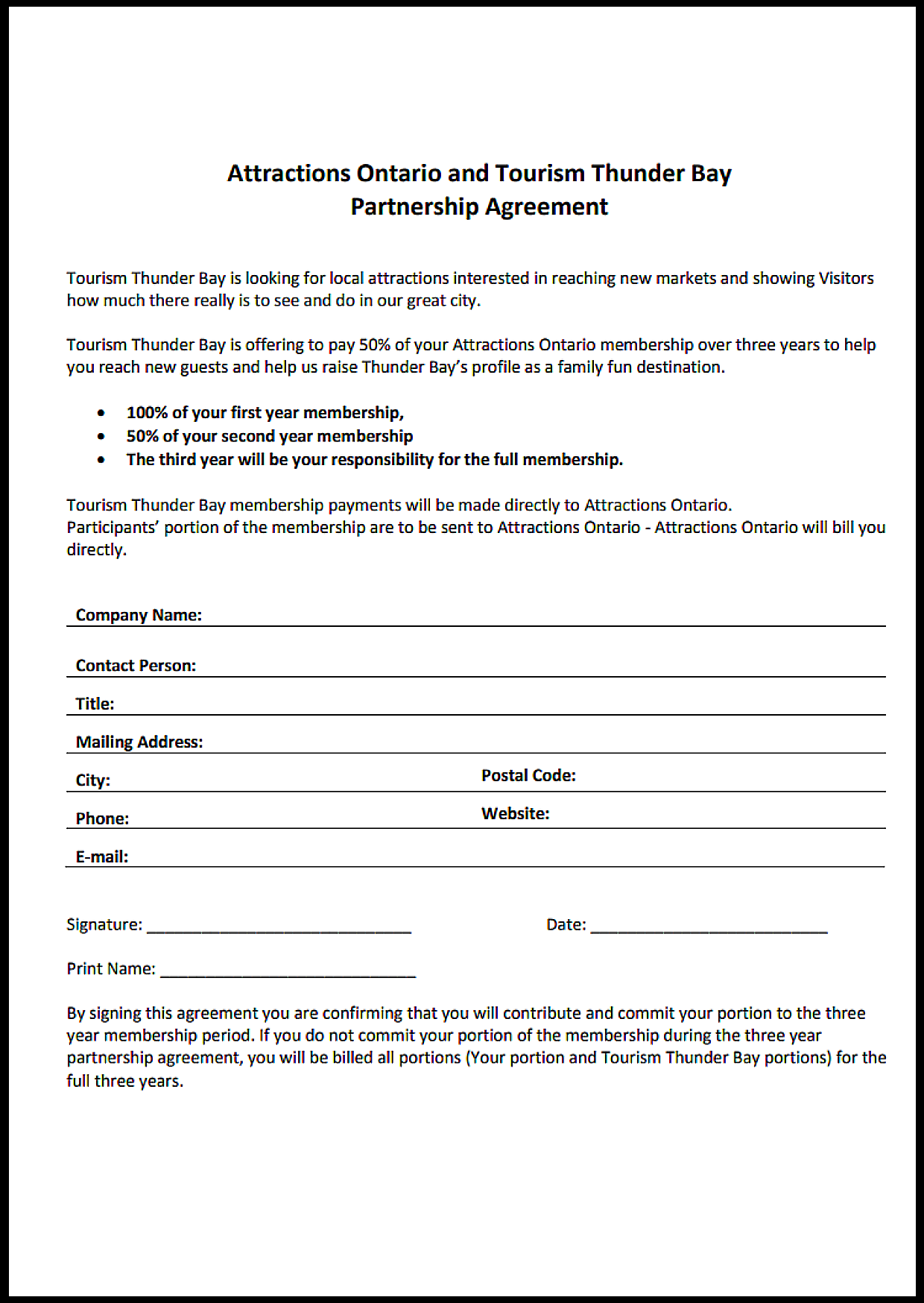
Below is a simple and practical template you can use. You can customize it based on your business needs.
Understanding Partnership Agreements in Ontario
What Is an Ontario Partnership Agreement?
A partnership is when two or more people run a business together and share profits.
An Ontario partnership agreement is a written contract that explains:
- Who owns what
- Who does what
- How profits and losses are shared
There are two common types:
- General Partnership – All partners manage the business and share liability
- Limited Partnership – Some partners invest only and have limited responsibility
In simple terms:
A written agreement protects both partners and reduces risk.
When Do You Need a Partnership Agreement?
You should create one anytime you are working with another person in business.
Common situations:
- Starting a small business
Example: Two friends open a café together - Family-run businesses
Example: Siblings running a retail shop - Freelancers collaborating
Example: A designer and developer working on client projects - Real estate partnerships
Example: Two investors buying property together
If money, time, or responsibility is shared—you need a written agreement
Key Clauses You Must Include
Ownership & Capital Contribution
Clearly define:
- Who owns what percentage
- Who invested money, assets, or skills
This avoids future arguments about ownership.
Profit and Loss Distribution
Decide:
- Equal sharing (50/50)
- Or based on contribution
Under Ontario tax rules, each partner reports their share of income personally. So this clause must be clear.
Roles and Responsibilities
Define daily duties:
- Who manages operations
- Who handles finances
- Who deals with clients
This prevents overlap and confusion.
Decision-Making Process
Not every decision needs to be discussed, but major ones should follow a clear rule.
You can choose:
- Majority voting for daily decisions
- Unanimous approval for big decisions (like selling the business)
It’s also smart to think ahead. What happens if both partners disagree? This is called a “deadlock,” and without a solution, the business can get stuck.
Exit Strategy & Buyout Clause
Important but often ignored.
Include:
- Notice period to leave
- How the business will be valued
- How shares will be bought out
Without this, exits can become messy and expensive.
Dispute Resolution Clause
No one starts a business expecting conflict. But disagreements are normal.
Instead of going directly to court, most agreements include:
- Mediation (a neutral person helps both sides)
- Arbitration (a private decision-maker resolves the issue)
This approach is faster and much less expensive than court cases.
Legal Validity & Common Mistakes
Is a Partnership Agreement Legally Valid in Ontario?
Yes—if it meets basic contract principles:
- Offer – One party proposes terms
- Acceptance – The other agrees
- Consideration – Something of value is exchanged
Under Ontario law, a contract is legally binding when these elements are present, as explained under official legal guidelines by the Government of Ontario.
Written agreements are much easier to enforce than verbal ones.
Common Mistakes That Cause Problems
Many partnerships fail not because of bad intentions, but because of unclear agreements.
- A very common mistake is leaving profit sharing “flexible.” At the beginning, partners may say, “We’ll decide later.” But when money starts coming in, both may have different expectations.
- Another issue is mixing personal and business finances. For example, using the same bank account for both can create confusion and even tax problems.
- Some partnerships also forget to update their agreement. Businesses grow and change, but the agreement stays the same. Over time, this creates gaps between reality and what is written.
- And one major mistake—ignoring exit planning. Many people focus only on starting the business, not on what happens if things don’t work out.
Example:
Two partners split profits “later” without clarity. When money comes in, both expect different shares.
Real-Life Scenario: What Can Go Wrong
Two partners start a business:
- Partner A invests more money
- Partner B works full-time
After six months, profits grow. Now:
- A wants higher returns due to investment
- B wants equal share due to effort
Without a written agreement, this turns into conflict.
A simple agreement at the start would have avoided this.
Partnership vs Corporation in Ontario
Here’s a quick comparison to help you decide:
| Feature | Partnership | Corporation |
| Ownership | Shared between partners |
Separate legal entity
|
| Liability | Personal liability | Limited liability |
| Taxation | Personal income tax |
Corporate tax rates
|
| Setup | Simple | More complex |
Tip:
Partnerships are easier to start, but corporations offer better liability protection.
How to Create a Partnership Agreement (Step-by-Step)
Follow this simple process:
Step 1: Discuss expectations openly
Talk about money, roles, and goals
Step 2: Decide roles and profit split
Be honest and practical
Step 3: Use a template
Start with the one above
Step 4: Review together
Make sure both partners agree
Step 5: Sign and store safely
Keep copies for future reference
Tax & Financial Considerations
Partnerships in Ontario are simple from a tax perspective, but many people misunderstand this.
The partnership itself does not pay tax. Instead, each partner reports their share of income on their personal tax return.
For example, if the business earns profit, each partner pays tax based on their share—not as a company.
This is why proper record-keeping is very important. Keep track of income, expenses, and distributions clearly. It helps avoid confusion and makes tax filing easier.
Can You Change or End a Partnership Agreement?
Yes.
You can:
- Amend the agreement – With mutual consent
- End the partnership – Based on agreed terms
Dissolution should include:
- Asset division
- Debt settlement
- Final payouts
Always document changes in writing.
Frequently Asked Questions
Is a partnership agreement required in Ontario?
No, a partnership agreement is not legally required. However, it is highly recommended to clearly define roles, responsibilities, and avoid future disputes.
Can a verbal partnership agreement be valid?
Yes, a verbal partnership agreement can be valid. But it is difficult to prove in court, so a written agreement is always safer.
Do I need a lawyer to create one?
No, it is not mandatory to hire a lawyer. However, for complex partnerships or large investments, getting legal advice is a good idea.
How many partners can be in a partnership?
A partnership can have two or more partners. There is no strict limit on the number of partners in Ontario.
What happens if a partner dies or leaves?
This depends on what is written in the agreement. If there is no agreement, default partnership laws will apply, which may not suit everyone.