Alberta Lease Agreement (Free Fillable PDF Template)
An Alberta Lease Agreement is a legal document that explains the rules between a landlord and a tenant. It clearly defines what both sides must do during the rental period, helping avoid confusion later.
If you’re planning to rent a property in Alberta, this guide will walk you through everything in simple English. You’ll learn how lease agreements work, see a ready-to-use template, and understand the legal basics so you can avoid common mistakes.
An Alberta lease agreement is simply a written contract used by landlords, tenants, and even roommates to set clear expectations. It covers rent, duration, rules, and responsibilities so that both sides stay protected.
Most people think a verbal agreement is enough, but in real life, that often leads to misunderstandings. A written lease helps prevent disputes and gives legal protection if something goes wrong.
I’ve seen Alberta landlords and tenants end up in expensive disputes simply because key terms like rent increases, notice periods, or damage responsibilities were never written clearly in the lease. When someone is renting for the first time, a proper written agreement can prevent a lot of stress later if communication breaks down or expectations change.
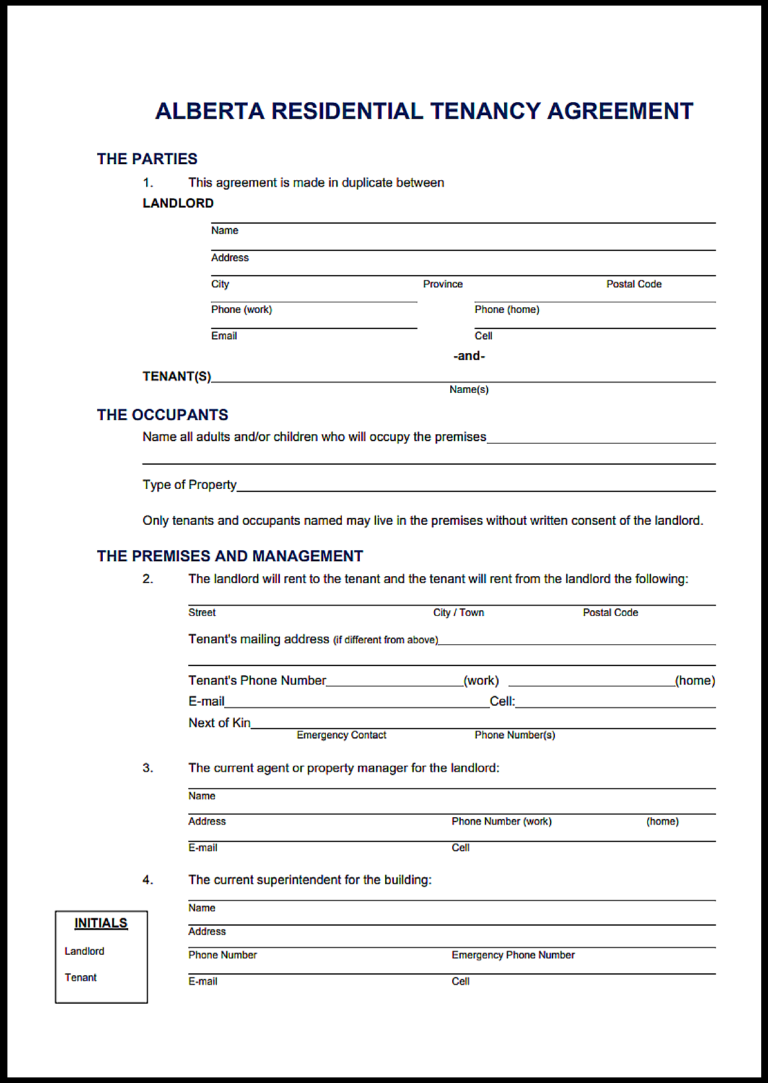
Free Alberta Lease Agreement Template
Below is a simple residential lease template. It is suitable for most standard rental situations in Alberta where the terms are straightforward.
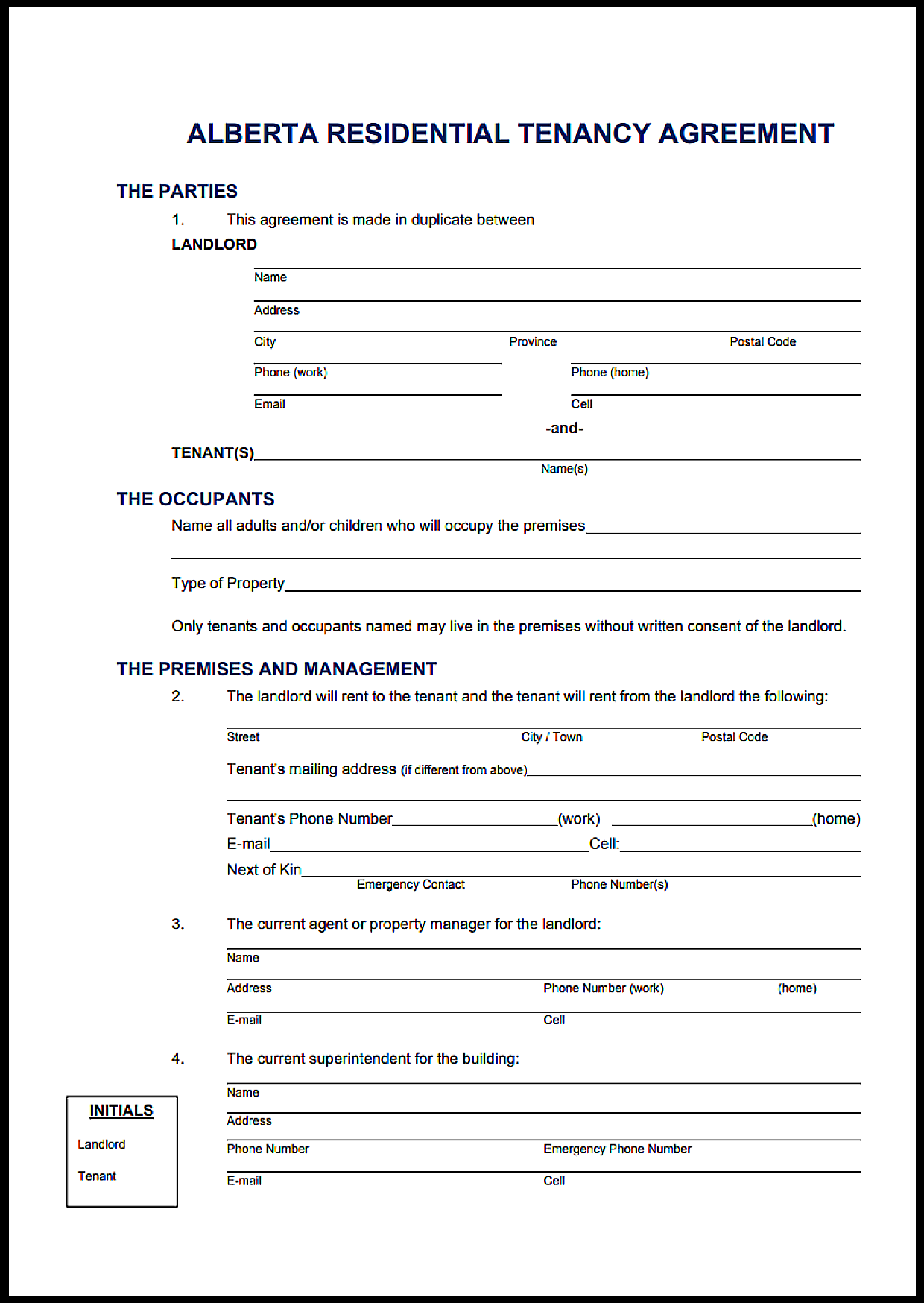
Alberta Lease Agreement Laws and Tenant Rules Explained
| Topic / Issue | Alberta Legal Rule | Governing Statute |
|---|---|---|
| Governing legislation | Residential leases in Alberta are mainly governed by provincial tenancy law. | Residential Tenancies Act, SA 2004, c R-17.1 |
| Mobile home site leases | Mobile home site rentals follow separate tenancy legislation. | Mobile Home Sites Tenancies Act, RSA 2000, c M-20 |
| Jurisdiction | Residential tenancy law in Alberta is purely provincial. | Constitution Act, 1867 |
| Recent amendments | The provincial Residential Tenancy Dispute Resolution Service (RTDRS) rolled out a structural tiered filing fee framework ($75 for claims under $7,500; $150 for higher amounts). | RTDRS Operational Restructuring |
| Who can sign | Any landlord, tenant, or authorized agent may sign the lease agreement. | RTA s. 1(1)(f) & (m) |
| Witness requirement | Alberta does not legally require witnesses for residential lease agreements. | No statutory requirement |
| Notarization | Lease agreements do not require notarization in Alberta. | No statutory requirement |
| Age requirement | A person must generally be 18 years old for full legal capacity. | Age of Majority Act, RSA 2000, c A-6 |
| Mental capacity | Signing parties must possess the cognitive awareness to understand the physical and financial obligations of the contract at execution. | Alberta Common Law |
| Delivery deadline | Landlords must provide a signed lease copy to the tenant within 21 days. | RTA s. 13 |
| Notice of landlord | Landlords must provide written landlord contact information within 7 days of move-in. | RTA s. 18 |
| Security deposit interest | Landlords must account for interest on security deposits, even though the current rate is 0%. | RTA s. 46 |
| Inspection reports | Move-in and move-out inspection reports are required before deducting damages from a security deposit. | RTA s. 19 |
| Filing requirement | Residential leases are private contracts and do not require government registration. | No statutory requirement |
| Long-term lease registration | Leases longer than three years may be registered as a caveat on title. | Alberta Land Titles rules |
| Invalid lease clauses | Lease terms that waive tenant protections under Alberta law are void. | RTA s. 3 |
| Maximum security deposit | A security deposit cannot exceed one month’s rent. | RTA s. 43 |
| Rent increase limit | Rent cannot legally increase more than once within a 365-day period. | RTA s. 14 |
| Fixed-term lease expiry | A fixed-term tenancy naturally concludes on the exact date specified in the written agreement without requiring any notice. | Residential Tenancies Act, s. 15 |
| No rent control cap | andlords are permitted to adjust rent to current market rates once per year, as Alberta lacks any statutory percentage caps. | Residential Tenancies Act, s. 14 |
| 24-hour eviction notice | Alberta allows 24-hour eviction notices for serious damage or violent behavior. | RTA s. 29/30 |
One of the most important Alberta lease rules is that fixed-term leases do not automatically become month-to-month agreements. Many tenants wrongly assume they can stay after the lease ends, but in Alberta the tenancy normally ends on the exact date written in the contract unless a new arrangement is made. This catches many renters by surprise and can create stressful move-out situations.
Another major rule involves inspection reports. Landlords who skip proper move-in and move-out inspections may lose the ability to legally deduct repair costs from the security deposit later. In real life, this often leads to disputes over damages and withheld deposits.
The rule against “contracting out” of the Residential Tenancies Act is also very important. Even if a tenant signs an illegal clause, such as allowing entry without notice, that term is still unenforceable under Alberta law.
Getting these rules wrong can lead to fines, invalid lease terms, security deposit disputes, or failed evictions. Download the free Alberta lease agreement template to help create a safer and legally compliant rental agreement.
Types of Lease Agreements in Alberta
Different situations need different lease types. Choosing the right one can save you from legal trouble later.
A fixed-term lease is best when both landlord and tenant want stability. It has a clear start and end date, such as one year, and is commonly used by students or families planning a long stay.
A periodic lease, often called month-to-month, does not have a fixed end date. It continues until either party gives proper notice. This option is useful for people who want flexibility.
Some other types are used in specific situations:
- A sublease agreement is used when a tenant rents the property to someone else temporarily, but landlord approval is required
- A roommate agreement helps people sharing a space decide rent split, chores, and house rules
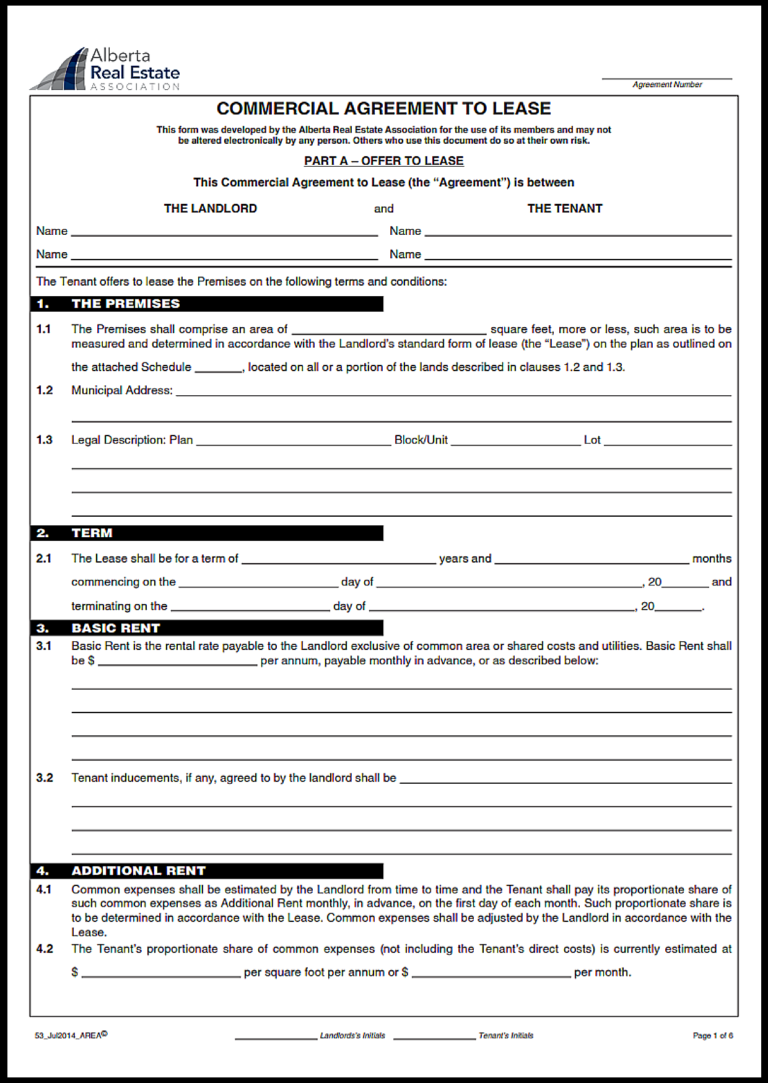
- A commercial lease is designed for business properties and includes more complex terms
- A short-term lease is used for temporary stays, often in furnished properties
This guide explains how to create a legally valid rental contract in Alberta, including key lease terms, tenant obligations, and landlord responsibilities. For a deeper understanding of legal definitions and structure, you can also review what a lease agreement means in Alberta law and how it applies in real rental situations.
Real-Life Use Cases
In real life, people choose lease types based on their needs. For example, a student renting an apartment for one year will usually go for a fixed-term lease because it gives stability.
A family that is unsure about staying long-term may prefer a periodic lease so they can move easily. If a tenant is going abroad for a few months, a sublease agreement becomes useful.
Friends sharing an apartment often create a roommate agreement to avoid arguments later. Similarly, business owners renting a shop always use a commercial lease because residential agreements don’t cover business needs.
Key Elements of a Valid Lease Agreement
A valid lease agreement in Alberta must include certain important details. Without these, the agreement may become unclear or hard to enforce.
A good lease clearly mentions the full legal names of both landlord and tenant. It also includes the complete address of the rental property so there is no confusion about the location.
Rent details should always be properly defined. This includes the exact amount, due date, and how the payment will be made. Security deposit rules are also very important because Alberta law usually limits it to one month’s rent.
Some essential elements include:
- Lease duration (fixed-term or periodic)
- Rules about pets, smoking, and maintenance
- Responsibilities for utilities and repairs
- Signatures of both parties
Without signatures, even a well-written lease can create problems later.
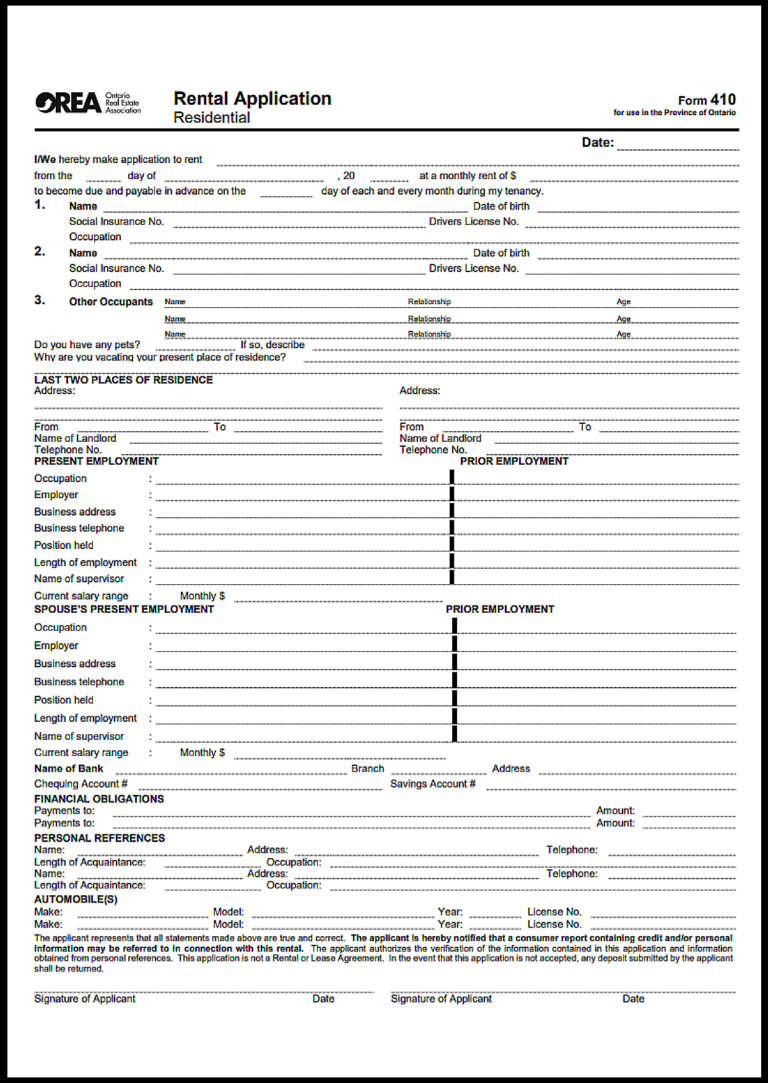
A complete leasing process often involves additional documents such as a tenant screening application form and a rent payment receipt template. These documents help manage tenant onboarding and payment tracking throughout the tenancy.
How to Create or Complete This Document
Creating a lease agreement is simple if you follow a step-by-step approach. Start by choosing the correct lease type based on your situation.
Then fill in all personal and property details carefully. Make sure rent, deposit, and payment terms are clearly written. After that, add rules related to pets, guests, or noise so expectations are clear from the beginning.
Before signing, always review everything slowly. Small mistakes can cause big issues later. Once signed, both parties should keep copies for future reference.
To stay compliant with provincial rules, landlords should also understand lease agreement laws in Alberta and tenant protections outlined in the tenant rights guide.
Legal Overview in Alberta
In Alberta, lease agreements are governed by the Residential Tenancies Act. This law explains the rights and responsibilities of both landlords and tenants.
Under Alberta law, security deposits are strictly capped at a maximum of one month’s rent, and landlords must follow formal statutory procedures for eviction. Tenants also have the right to live in a safe and well-maintained property.
Here is a quick overview of important rules:
| Rule | What It Means |
| Security Deposit |
Max one month’s rent
|
| Notice Period |
Depends on lease type
|
| Eviction |
Must follow legal process
|
| Property Condition |
Must be safe and livable
|
It’s important to remember that rules in Alberta are different from other provinces, so always follow Alberta-specific laws.
Common Mistakes to Avoid
Many lease problems happen because of small mistakes that could easily be avoided. People often use the wrong lease type or forget to clearly mention rent details.
Another common issue is relying on verbal agreements. These may work initially but often create disputes later. Ignoring Alberta’s deposit rules or not defining responsibilities properly can also lead to legal trouble.
Some mistakes to watch out for:
- Not writing payment dates clearly
- Skipping a written agreement
- Missing important terms
- Forgetting signatures
Choosing the Right Lease Agreement
Choosing the correct lease depends on your situation. If you want long-term stability, a fixed-term lease is the best option. On the other hand, if flexibility is more important, a periodic lease works better.
If you are leaving temporarily, a sublease can help. For shared living, a roommate agreement is highly recommended. Business use requires a commercial lease, while short stays are best suited for short-term agreements.
| Situation |
Recommended Lease
|
| Stable long stay |
Fixed-term lease
|
| Flexible plans | Periodic lease |
| Temporary absence | Sublease |
| Shared housing |
Roommate agreement
|
| Business rental |
Commercial lease
|
| Short stay |
Short-term lease
|
FAQs
Does a fixed-term lease automatically renew in Alberta?
No. Under Section 15 of the Residential Tenancies Act, a fixed-term tenancy naturally concludes on the exact calendar date written in the contract. No rolling month-to-month conversion occurs automatically, and no notice to vacate is legally required from either party.
How often can a landlord increase rent in Alberta?
Rent can only be adjusted once every 365 days under Section 14 of the RTA. This rule applies uniformly whether the tenant is on a rolling periodic arrangement or signing consecutive fixed-term extensions.
Where do landlords and tenants resolve rental disputes in Alberta?
Disputes are handled outside the court system via the Residential Tenancy Dispute Resolution Service (RTDRS). Effective April 1, 2026, the RTDRS utilizes a tiered filing fee structure ($75 for claims under $7,500 and $150 for claims above).
Is estate planning only for wealthy people?
No, estate planning is important for anyone with assets or family responsibilities. It helps protect your loved ones and manage your affairs properly.
Are handwritten wills legal in Ontario?
Yes, handwritten wills are legal in Ontario. However, they can be risky and may lead to confusion or disputes if not clearly written.
Do I need a lawyer for estate planning?
No, a lawyer is not required. But it is strongly recommended to ensure everything is legally correct, especially in complex situations.
How much does estate planning cost in Ontario?
The cost depends on how detailed your plan is. Basic estate plans are usually affordable, while complex ones may cost more.
Can I avoid probate in Ontario?
Sometimes, probate can be reduced or avoided through methods like joint ownership or naming beneficiaries. However, it is not always possible in every case.
Legal Disclaimer
This article is for general information only and does not provide legal advice. Laws may change over time, and every situation is different. For specific legal help, it is always best to consult a qualified Alberta legal professional.